AU Youth Legitimacy Crisis: Growing Questions Over African Union’s Relevance

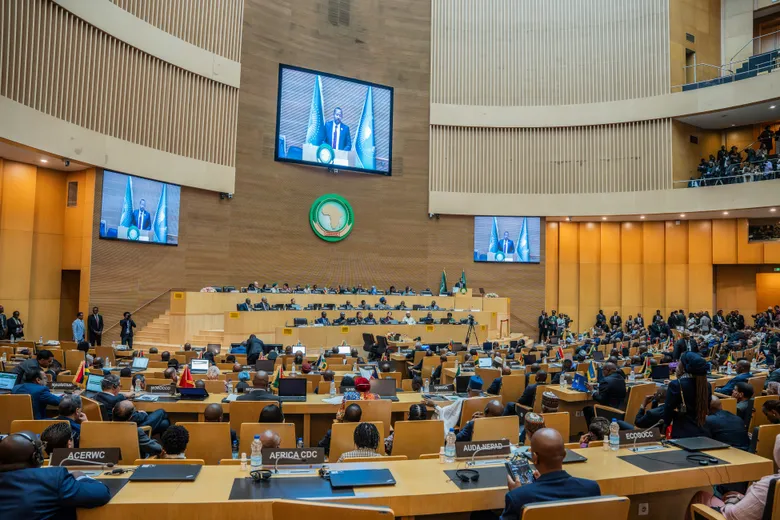
The AU Youth Legitimacy Crisis has taken centre stage as African leaders gather for the 39th summit at the headquarters of the African Union in Addis Ababa, Ethiopia. While the meeting is meant to reflect unity, cooperation and shared progress, it is unfolding against a backdrop of growing dissatisfaction among young Africans who increasingly feel disconnected from the continental body that claims to represent them.
Thank you for reading this post, don't forget to subscribe!Africa is home to around 1.4 billion people, and that number is rising fast. More importantly, it is the youngest continent in the world. Over 400 million Africans are between the ages of 15 and 35, and this figure is expected to double by 2050. Despite this demographic reality, many young people believe the AU continues to function as a club of long-serving political elites, rather than a people-centred institution that reflects their hopes, struggles and ambitions.
Youth Voices and the AU Youth Legitimacy Crisis
The AU Youth Legitimacy Crisis is rooted in a clear generational gap. On one side is a young population facing unemployment, rising living costs, limited political space and uncertainty about the future. On the other side are leaders who have often remained in power for decades, shaping policies that young people feel do not address their daily realities.
Across social media platforms, the AU is frequently criticised as being distant and ineffective. Many young Africans argue that the organisation focuses more on protecting governments than standing up for citizens. Hashtags and online debates describe it as outdated and slow to respond, especially during moments of political tension or public protest.
For many youths, legitimacy is not about speeches or summit declarations. It is about action. They want to see the AU speak clearly against human rights violations, defend free expression and promote fair economic opportunities. When these expectations are not met, trust erodes further.
Elections, Democracy and Public Trust
Another major driver of the AU Youth Legitimacy Crisis is how the organisation responds to elections across the continent. Recent polls in several African countries have been marked by controversy, with allegations of unfair practices, suppression of opposition voices and restrictions on digital freedoms.
In Uganda, for example, a recent presidential election saw reports of internet shutdowns, arrests of opposition supporters and limits on public gatherings. When the AU Commission initially praised the election process, many young Africans reacted with anger and disbelief. To them, this response suggested that stability was being prioritised over democratic fairness.
Although later observer reports acknowledged problems such as intimidation and harassment, the damage to public trust had already been done. Critics argue that the AU often lacks strong enforcement mechanisms. Its resolutions and principles depend heavily on the willingness of member states to comply, and this willingness is not always present.
Governance Challenges Within the Union
The AU’s structure itself adds to the legitimacy debate. While it promotes democracy, peace and development on paper, its ability to act decisively is limited. Funding shortfalls, delayed member contributions and political sensitivities often weaken its responses.
Young analysts and civil society groups point out that when coups occur, elections are disputed or protests are violently suppressed, the AU’s reactions can appear inconsistent. This inconsistency feeds the perception that the organisation applies different standards depending on political alliances or regional interests.
As instability continues in regions like Sudan, the Sahel, eastern Democratic Republic of Congo and Somalia, young Africans are watching closely. They want the AU to move beyond statements and take visible steps toward conflict prevention, mediation and accountability.
Global Politics and Africa’s Position
The current summit is also taking place during a time of major global change. Shifting alliances, reduced foreign aid and debates around a new world order are influencing Africa’s political and economic choices. These global pressures directly affect young people, especially through job markets, education opportunities and social services.
AU leaders have also spoken out on international issues, including calls to stop violence against Palestinians. While such positions reflect Africa’s diplomatic voice on the global stage, critics argue that the same moral clarity should be applied more strongly to issues within the continent.
For young Africans, global relevance means little if local struggles are ignored. They want an AU that balances international diplomacy with strong internal advocacy for justice, fairness and inclusion.
Reform, Engagement and the Road Ahead
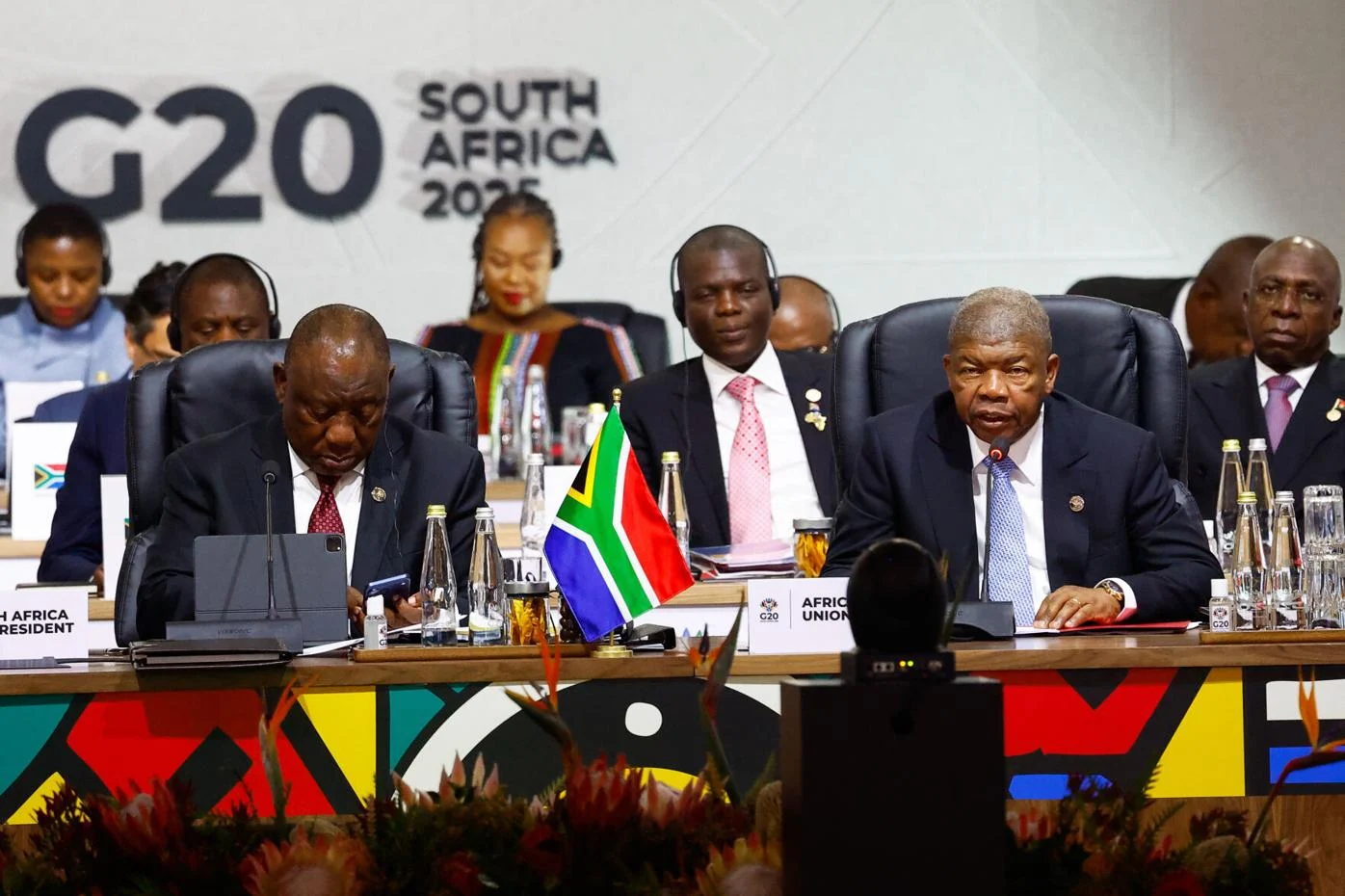
Many observers believe the AU Youth Legitimacy Crisis can still be addressed, but only through meaningful reform. This includes creating stronger channels for youth participation in decision-making, supporting free and fair elections, and holding leaders accountable to agreed principles.
Young people are not asking to replace institutions; they are asking to reshape them. They want the AU to listen more, act faster and stand firmer when democratic values are threatened. Engagement with youth movements, entrepreneurs, students and grassroots organisations could help rebuild trust and relevance.
As Africa’s population continues to grow younger, the cost of ignoring youth concerns will only rise. The AU’s future credibility depends on whether it can evolve into a truly people-driven organisation that reflects the voices of those who will shape the continent’s next chapter.