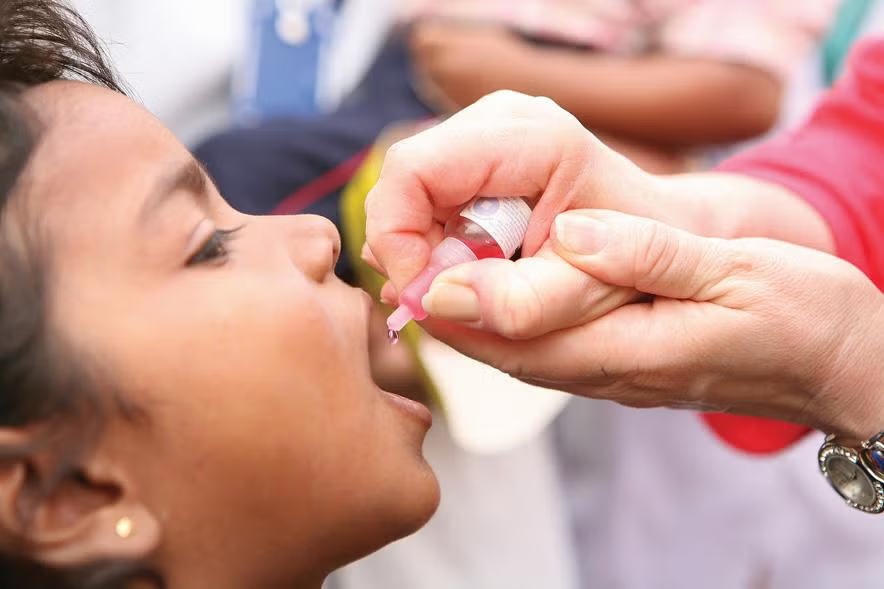
WHO prequalifies nOPV2 vaccine strengthening global polio eradication drive

WHO prequalifies nOPV2 vaccine has gained global attention after a major step taken by international health authorities to strengthen the fight against poliomyelitis. The recent decision by the World Health Organization to prequalify another novel oral polio vaccine type 2 is expected to boost immunisation efforts in vulnerable regions and protect millions of children from this life threatening disease.
Thank you for reading this post, don't forget to subscribe!Prequalification is a critical process that confirms a vaccine meets strict international standards of quality safety and effectiveness. Once a vaccine receives this approval United Nations agencies can purchase and distribute it for large scale public health programmes. This means the newly approved nOPV2 vaccine can now be supplied globally through agencies such as UNICEF which plays a key role in delivering vaccines to some of the world’s most remote and high risk communities.
WHO prequalifies nOPV2 vaccine and its global importance
The announcement that WHO prequalifies nOPV2 vaccine comes at a crucial time when the world is close to eradicating polio but still faces persistent challenges. While most countries have eliminated the disease the virus continues to circulate in limited areas. Any drop in vaccination coverage can quickly lead to new outbreaks especially in regions affected by conflict weak health systems or population movement.
The newly prequalified vaccine adds another powerful tool to the global immunisation arsenal. It allows health agencies to plan wider campaigns with confidence knowing that the vaccine has passed independent assessments. This approval also improves supply security ensuring that enough doses are available when outbreaks occur.
Why the novel oral polio vaccine type 2 matters
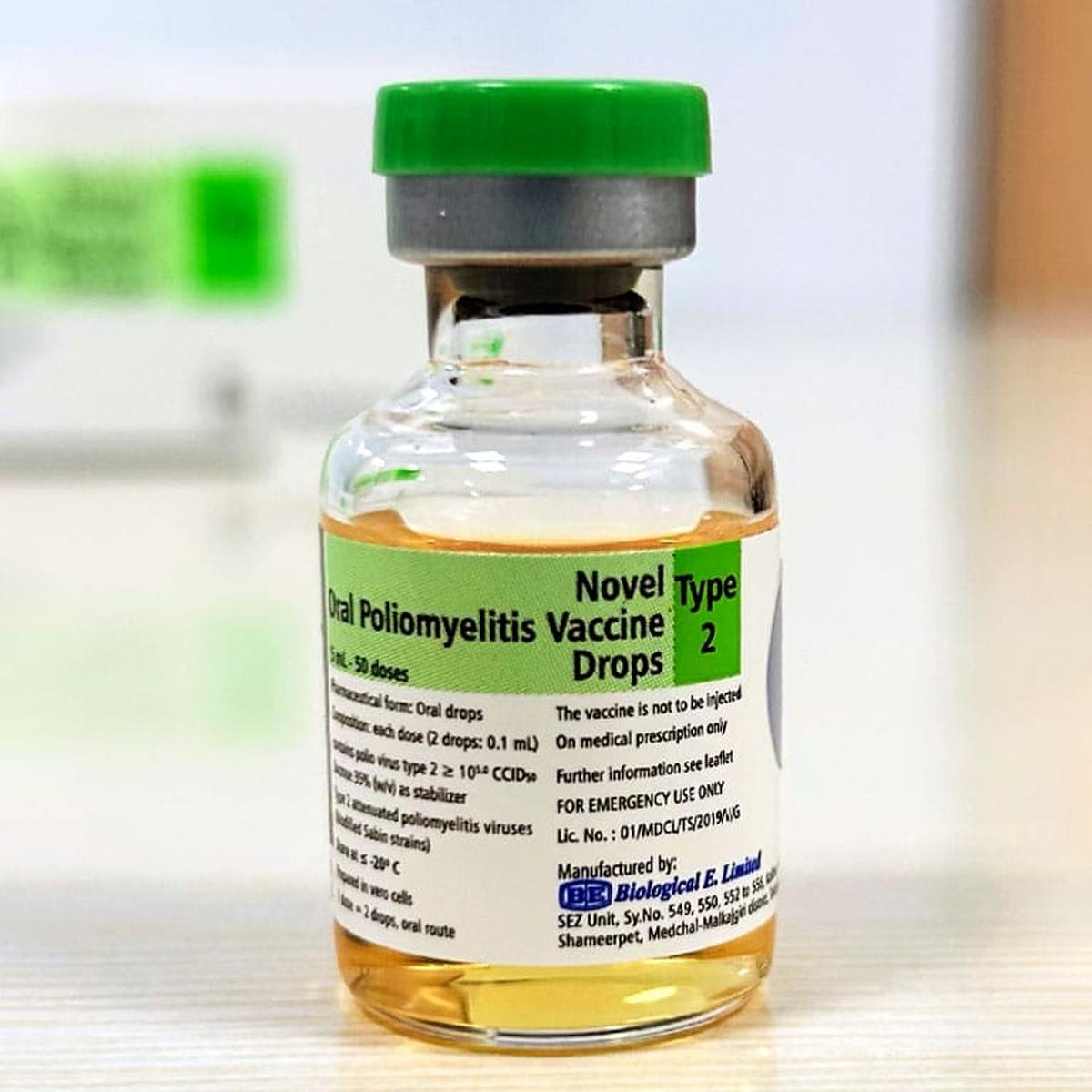
The nOPV2 vaccine is different from earlier oral polio vaccines. Traditional oral vaccines have been extremely successful in reducing polio cases worldwide. However in rare situations the weakened virus in these vaccines could genetically change and lead to circulating vaccine derived poliovirus outbreaks.
The novel oral polio vaccine type 2 was specifically developed to address this problem. Scientists engineered it to be more genetically stable while keeping its strong ability to stop virus transmission. This means it is much less likely to revert to a harmful form once administered.
By improving genetic stability the nOPV2 vaccine directly tackles one of the biggest obstacles in the final phase of polio eradication. This makes it especially valuable in outbreak response situations where rapid and safe immunisation is essential.
How WHO prequalification strengthens immunisation campaigns
When WHO prequalifies nOPV2 vaccine it sends a clear signal to governments donors and health partners around the world. The approval assures them that the vaccine is suitable for use in large scale public health programmes. This trust is essential for fast decision making during outbreaks.
Prequalification also simplifies procurement. United Nations agencies can now purchase the vaccine in bulk and distribute it to countries that need it most. This speeds up response times and reduces the risk of delays that could allow the virus to spread further.
In addition the approval encourages manufacturers to invest in production capacity. A reliable pathway to global distribution helps ensure that supply can meet demand especially during emergencies.
Global funding and renewed commitment
The prequalification follows renewed political and financial commitment to end polio worldwide. In December global leaders pledged significant funding to accelerate eradication efforts over the coming years. The programme aims to immunise around 370 million children every year despite economic pressures and competing health priorities.
This scale of vaccination highlights how serious the global community remains about eliminating polio. Oral polio vaccines including nOPV2 remain central to these efforts because they are easy to administer and effective in stopping transmission in communities.
Understanding poliomyelitis and its impact
Poliomyelitis is a highly infectious viral disease that mainly affects children under the age of five. The virus spreads through contaminated food or water and attacks the nervous system. In severe cases it can cause irreversible paralysis and even death.
There is no cure for polio which makes prevention through vaccination absolutely vital. Over the past several decades sustained immunisation campaigns have reduced polio cases by more than 99 percent worldwide. What remains now are a few stubborn pockets of transmission that require focused and innovative approaches.
Closing immunity gaps with new tools
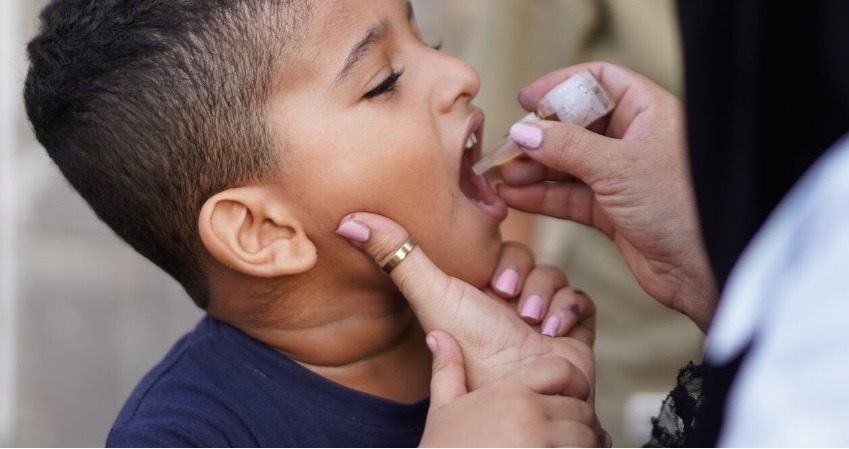
The fact that WHO prequalifies nOPV2 vaccine represents progress in closing immunity gaps that allow the virus to survive. In areas where routine immunisation coverage is low mass vaccination campaigns using oral vaccines are often the only effective way to protect children quickly.
The improved safety profile of nOPV2 gives health workers and communities greater confidence in these campaigns. It also reduces the risk of vaccine derived outbreaks which have complicated eradication efforts in the past.
Looking ahead for a polio free future
The approval of another nOPV2 vaccine reinforces optimism that a polio free world is within reach. With sustained funding high quality vaccines and strong political commitment global health agencies are better equipped than ever to tackle the remaining challenges.
Every step such as WHO prequalification brings the world closer to ensuring that no child will ever again suffer from polio. Continued vigilance innovation and cooperation will be essential to turn this goal into reality.