Indus Valley 8000 Years Old: New Research Pushes Back the Timeline of an Ancient Civilisation

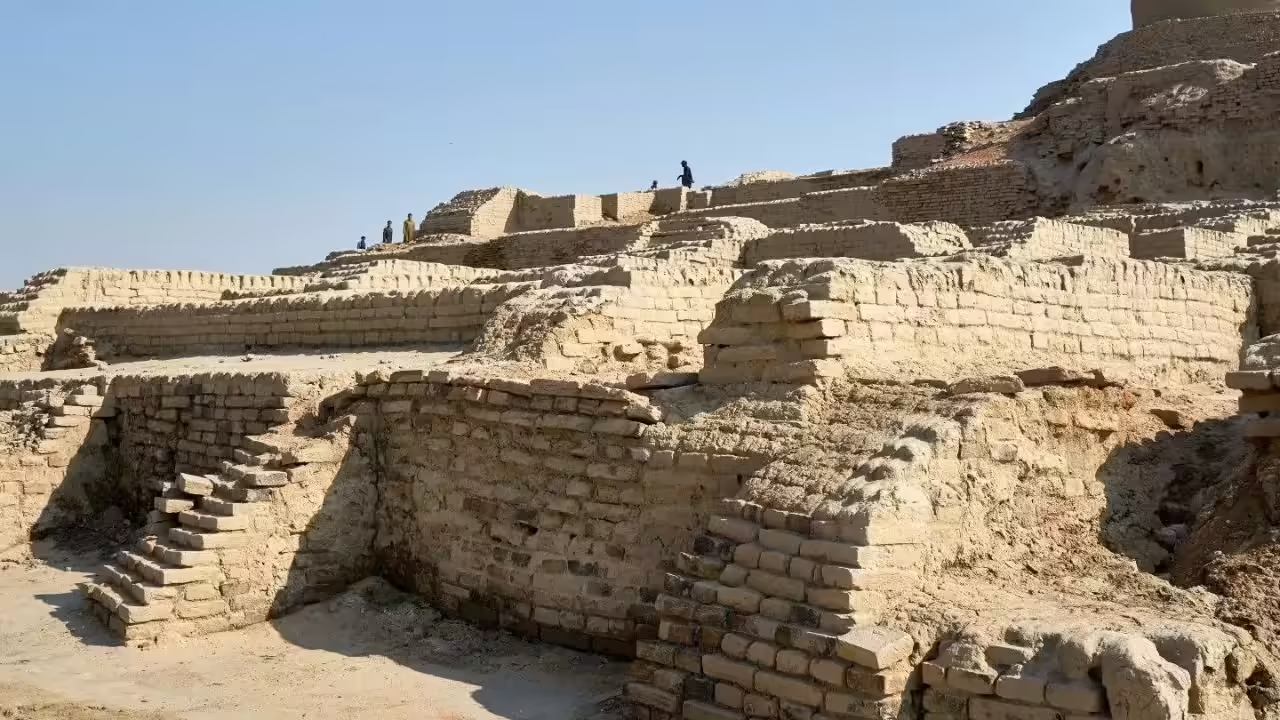
Fresh archaeological research is reshaping how historians and scientists understand one of the world’s earliest urban cultures. According to new scientific evidence, the Indus Valley 8000 Years Old claim is gaining serious attention after recent discoveries in northern India. Radiocarbon dating from the ancient site of Bhirrana suggests that organised human settlement in the Indus region may have begun nearly 8,000 years ago, much earlier than previously believed.
Thank you for reading this post, don't forget to subscribe!If these findings are confirmed through further studies, they could change long-standing assumptions about the rise of early civilisations. Until now, scholars generally dated the Indus Valley Civilisation to around 2600–1900 BC. The new timeline points to a much longer and gradual development, placing its origins well before the earliest dynasties of ancient Egypt.
Early Settlements and the Bhirrana Discovery
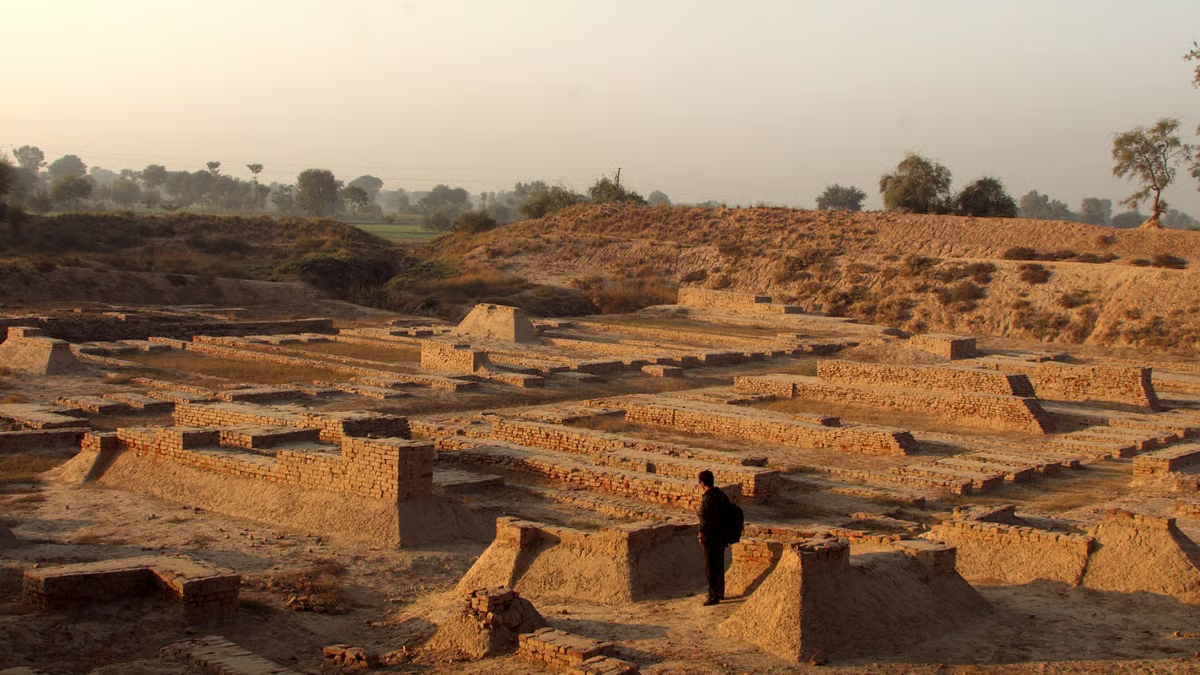
The new research focuses on deep cultural layers uncovered at Bhirrana, located in present-day Haryana. Archaeologists studied pottery fragments, animal bones, and other organic materials recovered from the site. Using advanced radiocarbon dating techniques, scientists found evidence of human activity dating back almost 9,000 years before the present.
This suggests that small farming communities may have lived in the region thousands of years before the emergence of large, planned cities. Rather than appearing suddenly, the civilisation seems to have evolved slowly through stages of early agriculture, craft development, and social organisation. The idea that the Indus Valley 8000 Years Old could be rooted in these early villages highlights the deep continuity of human life in the region.
Gradual Growth into an Urban Culture
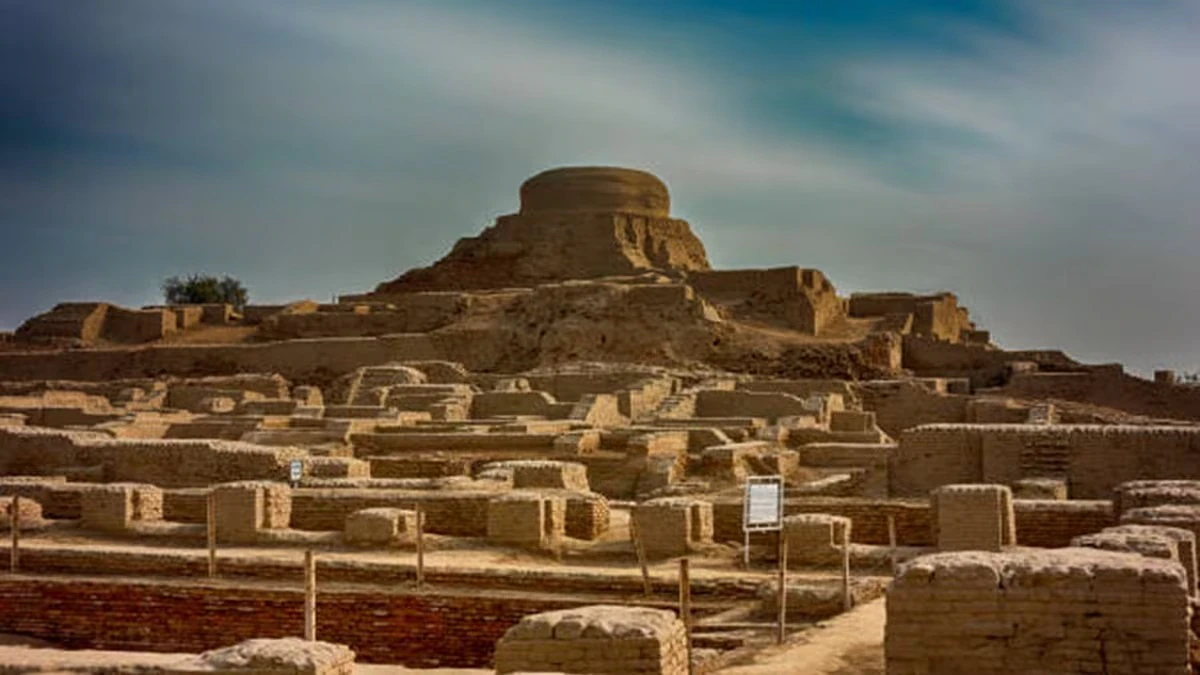
Over time, these early settlements appear to have expanded and become more complex. By the mature phase, large urban centres such as Harappa and Mohenjo-daro had emerged. These cities were remarkable for their scale, planning, and attention to public health.
Streets were laid out in neat grid patterns, showing careful planning. Homes were often built with baked bricks and included courtyards, wells, and bathing areas. One of the most impressive features was the underground drainage system, which carried wastewater away from houses and streets. This level of sanitation was far ahead of its time and reflects a strong concern for cleanliness and urban order.
Trade, Crafts, and Daily Life
The civilisation supported a wide range of skilled crafts. Archaeologists have uncovered beads made from semi-precious stones, finely crafted pottery, and tools made from copper and bronze. Standardised weights and measures found across different sites suggest that trade was well organised and regulated.
Seals carved with animals and symbols have been discovered in large numbers. These seals were likely used for trade and identification, pointing to complex economic activity. Trade links extended to distant regions, including parts of Mesopotamia, showing that Indus communities were connected to wider ancient networks.
Daily life seems to have been stable and organised. Unlike some other ancient cultures, there is little evidence of grand palaces or massive temples. This has led scholars to believe that power may not have been concentrated in the hands of a single ruler, but rather shared through local authorities or councils.
Size and Cultural Spread
At its height, the civilisation may have supported more than five million people, making it one of the largest ancient cultures in the world. Its geographical spread was vast, stretching from the Arabian Sea to the upper reaches of the Indus river system and into parts of modern-day north-western India.
Despite this wide area, there was strong cultural unity. Similar building styles, tools, and seals have been found across distant sites. This consistency suggests shared ideas, values, and systems of exchange, even across large distances.
Environment, Change, and Adaptation
Earlier theories suggested that the civilisation collapsed suddenly due to climate change, drying rivers, or weakened monsoons. While environmental stress likely played a role, newer evidence paints a more complex picture. Data from Bhirrana indicates that communities adapted rather than disappeared overnight.
As water availability changed, people appear to have shifted from crops like wheat and barley to more drought-resistant grains such as millets and rice. Settlements may have become smaller and more scattered, reflecting changes in lifestyle rather than a complete breakdown of society.
This adaptability strengthens the idea that the civilisation had deep roots and long-term resilience. If the Indus Valley 8000 Years Old timeline holds true, it means generations of people adjusted to environmental and social changes over thousands of years.
Why These Findings Matter Today
Understanding the deeper history of the Indus region helps scholars better appreciate the origins of urban life in South Asia. It also challenges older views that complex societies appeared suddenly. Instead, the new research suggests slow innovation, experimentation, and adaptation over many centuries.
These discoveries remind us that ancient communities were skilled observers of their environment and capable of long-term planning. The story of the Indus Valley is not just about ruins and artefacts, but about human resilience, creativity, and continuity across millennia.