Cow Culture Museum Mathura: India’s First National Centre Celebrating Cattle Heritage

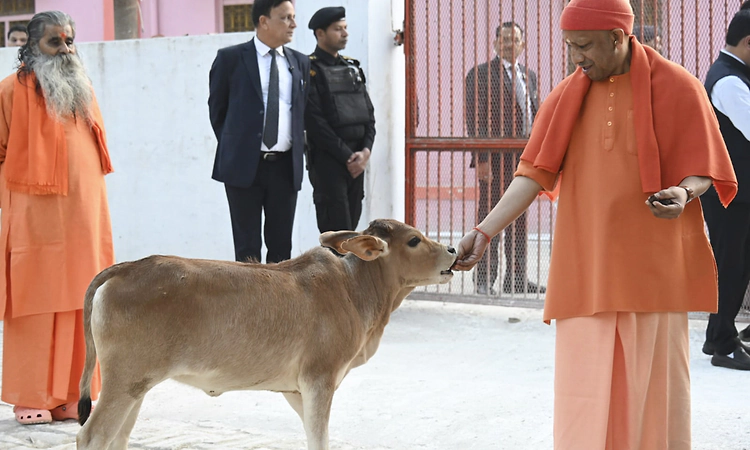
India is preparing to open a unique cultural and educational landmark with the establishment of its first National Cow Culture Museum in Cow Culture Museum Mathura. The museum is being developed in Mathura, located in the state of Uttar Pradesh, and will come up within the campus of Pandit Deendayal Upadhyaya Veterinary Science University.
Thank you for reading this post, don't forget to subscribe!The project reflects India’s effort to present cattle not only as a religious symbol but also as an important part of agriculture, rural economy, and sustainable living. Officials associated with the initiative have said the museum will offer visitors a broad and balanced understanding of the role of cows in Indian society, blending tradition with scientific awareness.
A Space Where Culture Meets Knowledge
The Cow Culture Museum Mathura is designed as a place where history, culture, and science come together. For centuries, cattle have been deeply linked with Indian life, supporting farming, dairy production, and village economies. The museum aims to explain this connection in a clear and simple way, making it easy for visitors from all backgrounds to understand.
Rather than focusing only on beliefs, the museum will highlight how cows and other cattle contribute to food security, soil health, and sustainable agriculture. Through well-planned displays, it will explain how draught power from cattle has helped farmers for generations and how organic manure continues to play a role in eco-friendly farming.
By presenting these aspects side by side, the museum hopes to encourage respect for traditional practices while also promoting modern scientific thinking.
Showcasing Indigenous Cattle Breeds
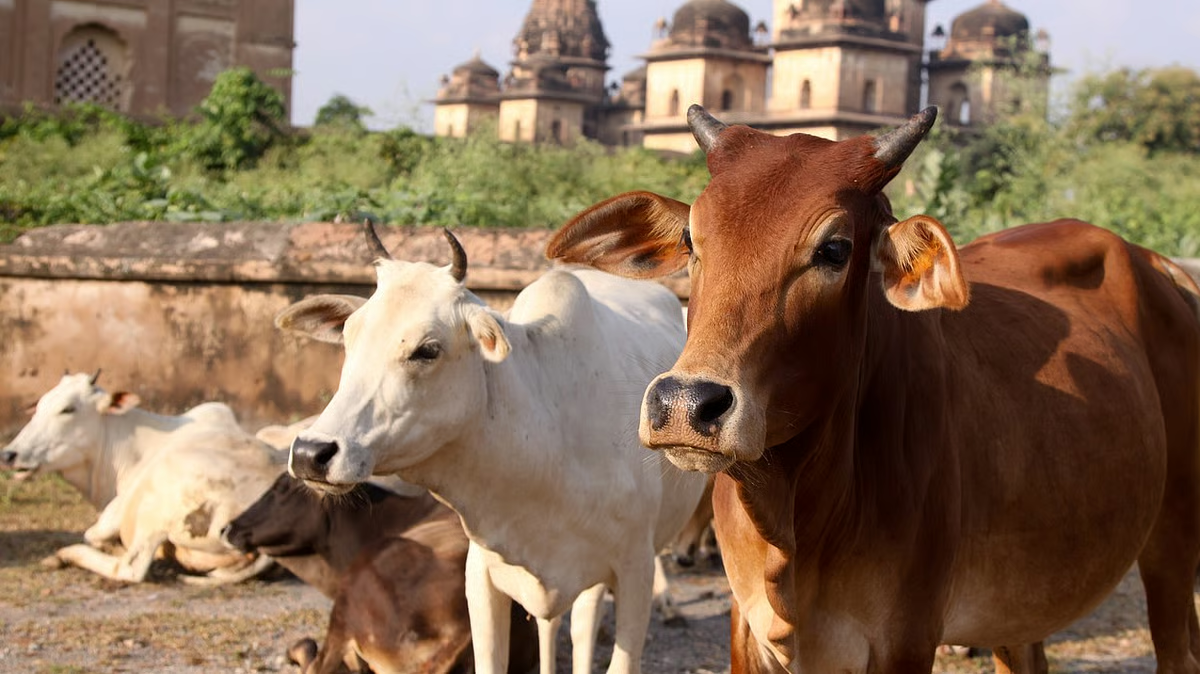
One of the main attractions of the Cow Culture Museum Mathura will be its focus on indigenous cattle breeds. India is home to many native breeds, some of which are now rare or endangered. The museum plans to display information on these breeds through physical models, photographs, and digital screens.
Each exhibit will explain the unique features of different cattle varieties, including their adaptability, milk-producing capacity, and role in local farming systems. Visitors will also learn about the regions where these breeds originated and why conserving them is important for biodiversity and climate resilience.
This section is expected to raise awareness about the need to protect native breeds in an age when crossbreeding and changing farming practices are becoming common.
Digital Exhibits And Interactive Displays
To make learning engaging, the museum is expected to feature around 100 digital and physical exhibits. Modern technology will play a key role in explaining complex ideas in a simple way. Interactive screens, videos, and visual storytelling tools will help visitors understand topics such as cattle care, breeding, and conservation.
A dedicated section will focus on dairy products like milk, curd, butter, cheese, and ghee. These displays will explain their nutritional value and their place in traditional food systems. References to ancient practices and traditional health knowledge will also be included, presented in an informative and non-technical manner.
Such interactive elements are likely to attract students, researchers, families, and tourists, making the museum a lively learning space rather than a static exhibition hall.
Supporting Rural Economy And Sustainable Farming
The Cow Culture Museum Mathura is also expected to highlight the strong link between cattle and rural livelihoods. Millions of families across India depend on dairy farming and cattle-based activities for income. The museum will explain how these activities support village economies and create employment.
Displays will show how cattle-based farming systems promote sustainability by reducing dependence on chemical fertilizers and fossil fuels. By showcasing examples of integrated farming, the museum aims to encourage practices that are both economically viable and environmentally friendly.
This approach reflects a growing interest in sustainable development, where traditional knowledge is combined with modern scientific methods.
Location And Cultural Significance
The choice of Mathura as the location adds special cultural value to the project. Mathura lies in the heart of the Braj region, an area known for its deep association with Indian traditions and heritage. Establishing the museum here strengthens the cultural identity of the region while also boosting local tourism.
The site within a veterinary science university campus ensures that the museum remains closely connected to research and education. This setting supports the museum’s goal of spreading practical knowledge about animal care and conservation.
Education And Tourism Opportunities
Authorities believe the Cow Culture Museum Mathura will serve multiple purposes. For students, it will be an educational resource that explains cattle science in an easy-to-understand format. For tourists, it will offer a unique experience that combines culture, history, and learning.
Plans also include a dairy parlour within the museum complex, where visitors can buy fresh dairy products. This feature is expected to give people a direct connection to the themes presented inside the museum.
By combining exhibitions, learning spaces, and visitor-friendly facilities, the museum aims to become a major attraction in northern India.
A Step Towards Awareness And Dialogue
The Cow Culture Museum Mathura represents an effort to promote informed discussion about cattle in India. By moving beyond narrow views and presenting a complete picture, the museum hopes to encourage responsible attitudes towards cattle conservation, farming practices, and rural development.
Through its blend of tradition, science, and modern presentation, the museum is expected to play an important role in shaping public understanding of cattle and their continued relevance in Indian society.