Philippine Eagle – World’s Largest Forest Raptor

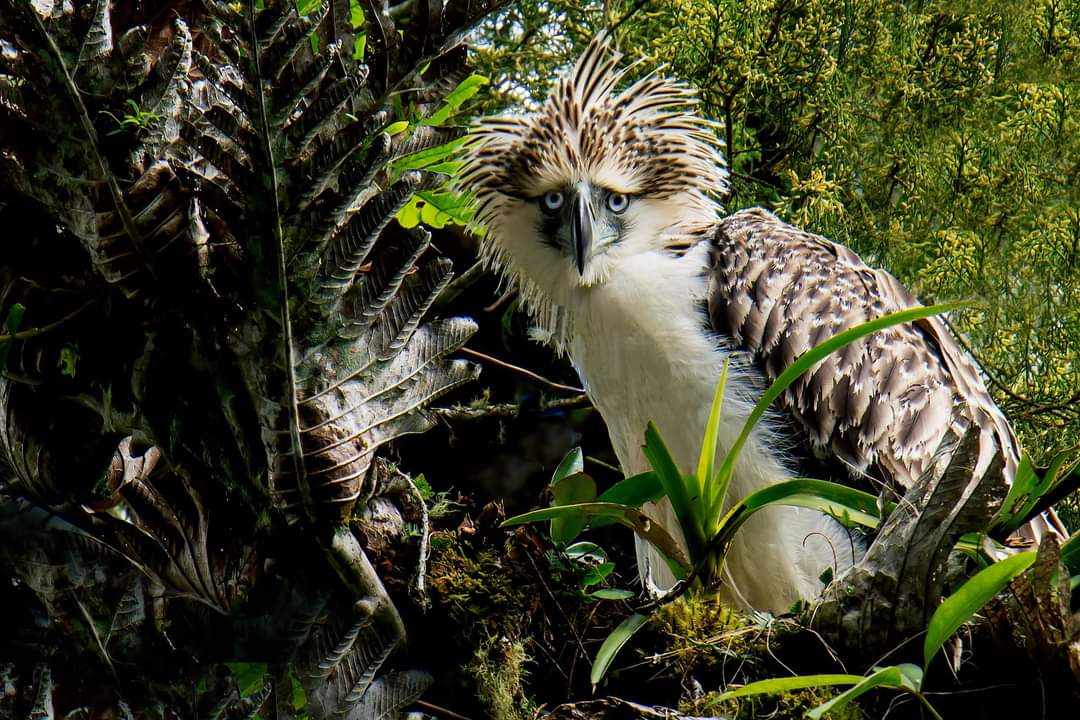
Philippine Eagle is one of the largest and most powerful birds of prey in the world. Scientifically called Pithecophaga jefferyi, this rare eagle lives only in the Philippines. It cannot be found naturally in any other country. Because of this, it is known as an endemic species. The bird is also the national bird of the Philippines and a proud symbol of the country’s rich wildlife and natural beauty.
Thank you for reading this post, don't forget to subscribe!Despite its strength and size, the Philippine Eagle is facing a serious survival crisis. Experts believe that fewer than 500 mature individuals remain in the wild. Due to this alarming decline, it is listed as Critically Endangered. The main reasons for its shrinking population are forest destruction, hunting, and environmental changes linked to climate change.
Origin of the “Monkey-Eating” Name
The Philippine Eagle is often called the “monkey-eating eagle.” This name came from early stories that described the bird hunting monkeys in forest trees. While monkeys are sometimes part of its diet, they are not its only food source.
The eagle also feeds on flying squirrels, civets, bats, snakes, and other small animals that live in forests. It hunts during the day and is considered an apex predator. This means it sits at the top of the food chain in its habitat. By hunting smaller animals, the eagle helps maintain balance in the forest ecosystem. Without such predators, the number of certain animals could increase too much and disturb the natural order.
Large Size and Strong Features
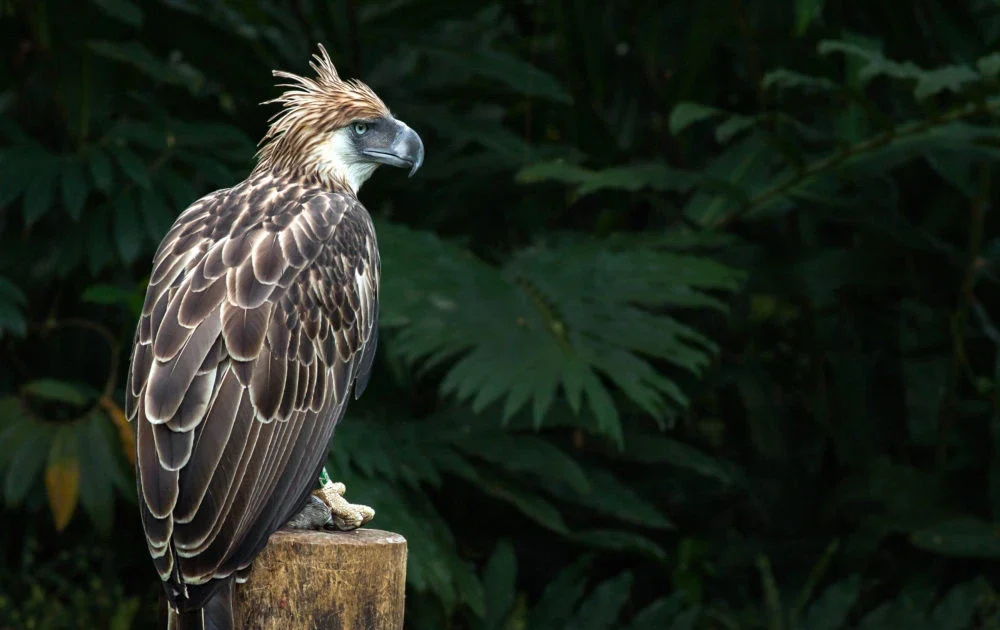
The Philippine Eagle is one of the world’s biggest eagles when measured by body length. It can grow between 76 and 102 centimetres from head to tail. Its wingspan reaches about 1.9 metres, allowing it to glide and soar above forest canopies. It weighs between 4.5 and 8 kilograms, with females usually larger than males.
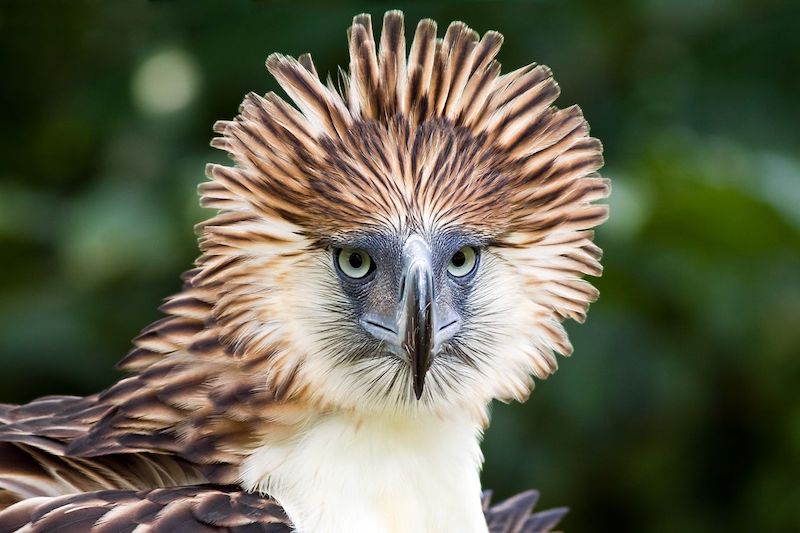
Its appearance is striking. The eagle has brown and white feathers and a long crest of feathers on its head that gives it a royal look. Its strong, curved beak is designed for tearing meat, while its sharp talons help it firmly grip prey. These talons can grow up to 7.6 centimetres long.
Unlike eagles that hunt in open grasslands, the Philippine Eagle is specially adapted for forest life. It can move quickly between tall trees and dense branches, making it a skilled hunter in thick jungle areas.
Habitat and Distribution
The Philippine Eagle lives only on a few islands in the Philippines, including Luzon, Samar, Leyte, and Mindanao. It prefers dipterocarp forests, which are tall tropical rainforests common in Southeast Asia. These forests provide tall trees for nesting and enough animals for hunting.
Each breeding pair needs a very large area of forest to survive. Sometimes they require territories covering more than 100 square kilometres. Because of this large space requirement, even small amounts of forest destruction can have a big impact on their survival.
Threats from Deforestation and Development
Deforestation is the biggest threat to the Philippine Eagle. Forests are often cleared for farming, logging, mining, and road building. As towns and cities expand, natural habitats shrink.
Modern development projects have increased pressure on forest lands. While development supports economic growth, it can also harm wildlife if not managed carefully. When forests disappear, eagles lose their nesting trees and food sources.
Climate change is another growing concern. Stronger storms, unusual rainfall patterns, and rising temperatures affect forest health. Damaged forests mean fewer safe areas for the eagle to live and hunt. In some places, eagles have been pushed into higher mountain regions where food may be limited.
Slow Reproduction
The Philippine Eagle has a very slow breeding cycle. A pair usually lays only one egg every two years. Both parents take turns incubating the egg for nearly two months. After the chick hatches, the parents continue to care for it for several months.
Young eagles grow slowly and may take around seven years to become ready to breed. This slow reproduction rate makes it difficult for the population to recover quickly when numbers fall.
Conservation Efforts and Public Awareness
Efforts to protect the Philippine Eagle began several decades ago. Conservation groups and the Philippine government started programs to protect forests and reduce illegal hunting. Captive breeding centres were created to help increase the population.
Organizations like the Philippine Eagle Foundation work to rescue injured birds, breed them in safe environments, and release them into protected forests. Scientists also use tracking devices to study eagle movements and identify important nesting areas.
Public awareness campaigns have become stronger in recent years. Social media and environmental programs in schools encourage young people to support wildlife protection. Protecting forests not only helps the eagle but also supports efforts to fight climate change and protect biodiversity.
The Philippine Eagle remains one of the most majestic birds of prey on Earth. Its survival depends on continued forest protection, responsible development, and strong conservation actions. Protecting this powerful raptor also protects the rich tropical forests it calls home.