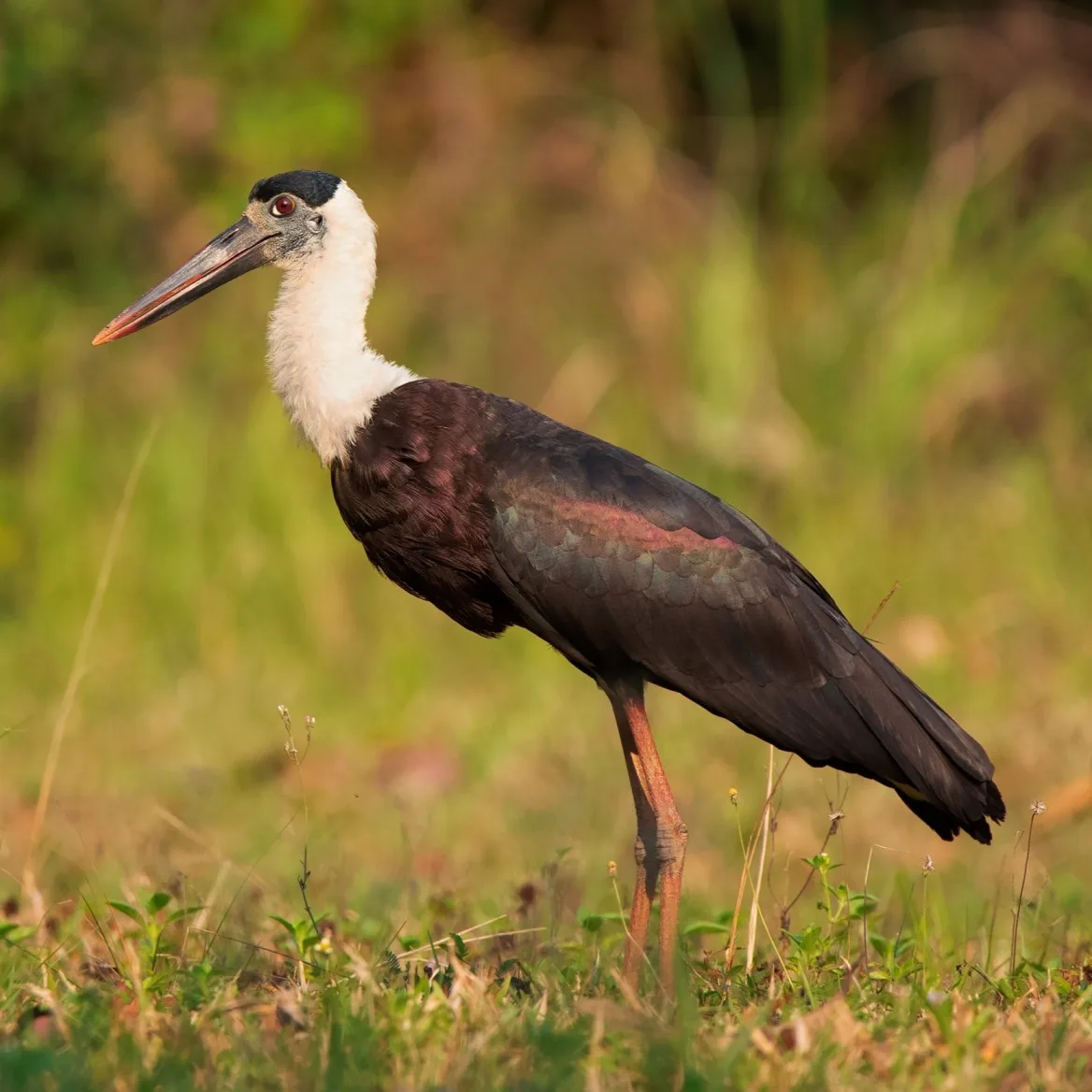
Woolly Stork Sighting: Rare Bird Seen in Tamil Nadu

Woolly Stork Sighting has recently drawn attention after a rare appearance of the Woolly-necked Stork was reported in paddy fields near Thanjavur in Tamil Nadu. Bird watchers and local farmers were surprised to spot this large and striking bird, which is not commonly seen in southern parts of India. The sighting has sparked fresh interest in the importance of agricultural lands and wetlands as safe spaces for wildlife.
Thank you for reading this post, don't forget to subscribe!The Woolly-necked Stork, also known as the White-necked Stork, is a large wading bird that belongs to the stork family. Its scientific name is Ciconia episcopus. It is known for its unique look and calm behaviour, often seen walking slowly in shallow water while searching for food.
A Rare Visitor in the South
Although the Woolly Stork Sighting is exciting, the species is not completely unknown in India. It is more commonly found in northern and central regions. However, sightings in Tamil Nadu are relatively rare, which makes this event special.
The bird has a wide distribution across parts of Africa and Asia, including countries like India, Sri Lanka, and Indonesia. It prefers open areas where it can easily find food, such as wetlands, riverbanks, grasslands, and farmlands. Paddy fields, especially those filled with water, can become perfect feeding grounds.
In recent years, there has been growing awareness about how farmlands can support wildlife. This sighting shows that even cultivated lands can act as temporary habitats for birds, especially when they are close to water sources.
Unique Appearance and Flight Style
One of the reasons the Woolly-necked Stork stands out is its striking appearance. The bird is mostly black, but it has a bright white neck that looks soft and woolly, which gives it its name. Its lower belly is also white, while the upper body shines with a dark green tone in sunlight.
The bird is large, with long legs and a long pointed beak. When it flies, it spreads its broad wings and often glides smoothly in the sky. Like many large birds, it uses warm air currents, known as thermals, to soar without much effort. This helps it travel long distances while saving energy.
Young birds look slightly duller compared to adults, with less shine in their feathers. Still, their shape and size make them easy to identify.
Feeding Habits and Daily Life
The Woolly Stork Sighting in Thanjavur also gives insight into the bird’s feeding habits. This species is mainly carnivorous and feeds on small animals found in water and wet soil. Its diet includes fish, frogs, insects, crabs, and small reptiles.
It usually hunts by walking slowly through shallow water or grassy areas. When it spots prey, it quickly strikes with its beak. This quiet and patient hunting style helps it survive in different environments.
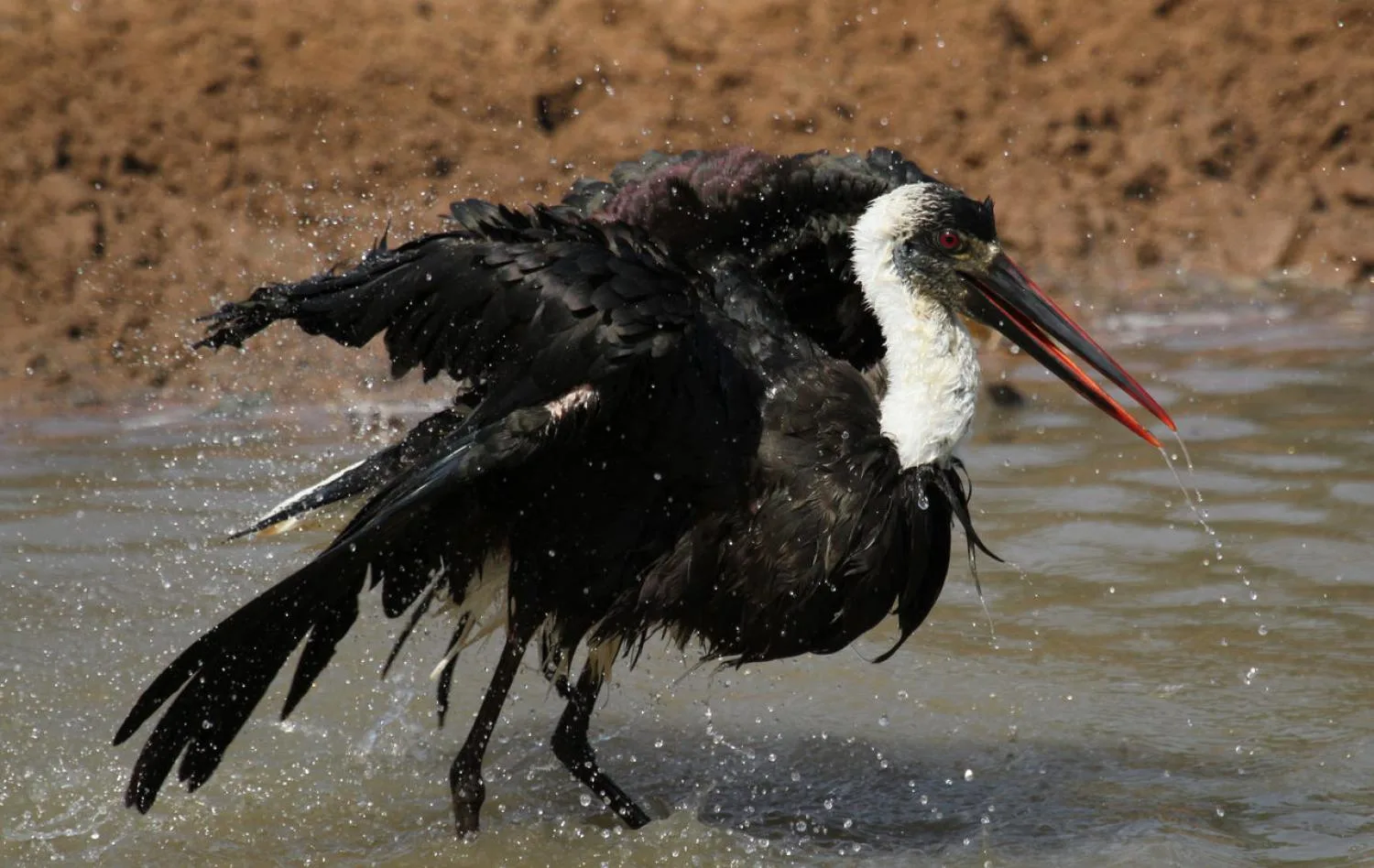
Unlike some other storks that live in large groups, the Woolly-necked Stork often prefers to stay alone or in small numbers. It may breed alone or in loose colonies, depending on the availability of safe nesting sites.
Conservation and Current Concerns
The Woolly-necked Stork is currently listed as a International Union for Conservation of Nature Near Threatened species. This means that while it is not immediately at risk of extinction, its population is decreasing and needs attention.
The biggest threats to the species come from habitat loss and environmental changes. Wetlands are being reduced due to urban development, pollution, and changes in land use. Even agricultural practices are changing, with some areas losing the natural features that birds depend on.
Climate change is also affecting bird migration and breeding patterns. Changes in rainfall, temperature, and water availability can impact where birds travel and find food.
Because of these challenges, sightings like the one in Tamil Nadu are important. They help researchers and wildlife experts understand where the birds are going and how they are adapting.
Importance of Wetlands and Farmlands
The Woolly Stork Sighting highlights how important wetlands and traditional farming areas are for biodiversity. Paddy fields, ponds, and small water bodies can support many types of birds, insects, and aquatic life.
In India, there is growing discussion about balancing agriculture with environmental protection. Farmers, local communities, and conservation groups are working together in some areas to protect natural habitats while continuing farming activities.
This kind of approach can help both people and wildlife. Birds like the Woolly-necked Stork benefit from safe feeding areas, while farmers can also gain from healthy ecosystems that support soil and water quality.
Growing Interest in Birdwatching
The recent sighting has also excited birdwatchers and nature lovers. Social media platforms have made it easier for people to share photos and information about rare birds. This helps spread awareness and encourages more people to take interest in wildlife.
In Tamil Nadu, several regions are becoming popular for birdwatching due to their rich biodiversity. Seasonal changes often bring different species, making it an exciting activity for enthusiasts.
The presence of the Woolly-necked Stork in Thanjavur adds to this growing interest and shows that even familiar landscapes can hold surprises.
As more such sightings are reported, they remind us of the close connection between nature and daily life. The Woolly Stork Sighting is not just about a rare bird, but also about the importance of protecting the environments that allow such species to survive and thrive.