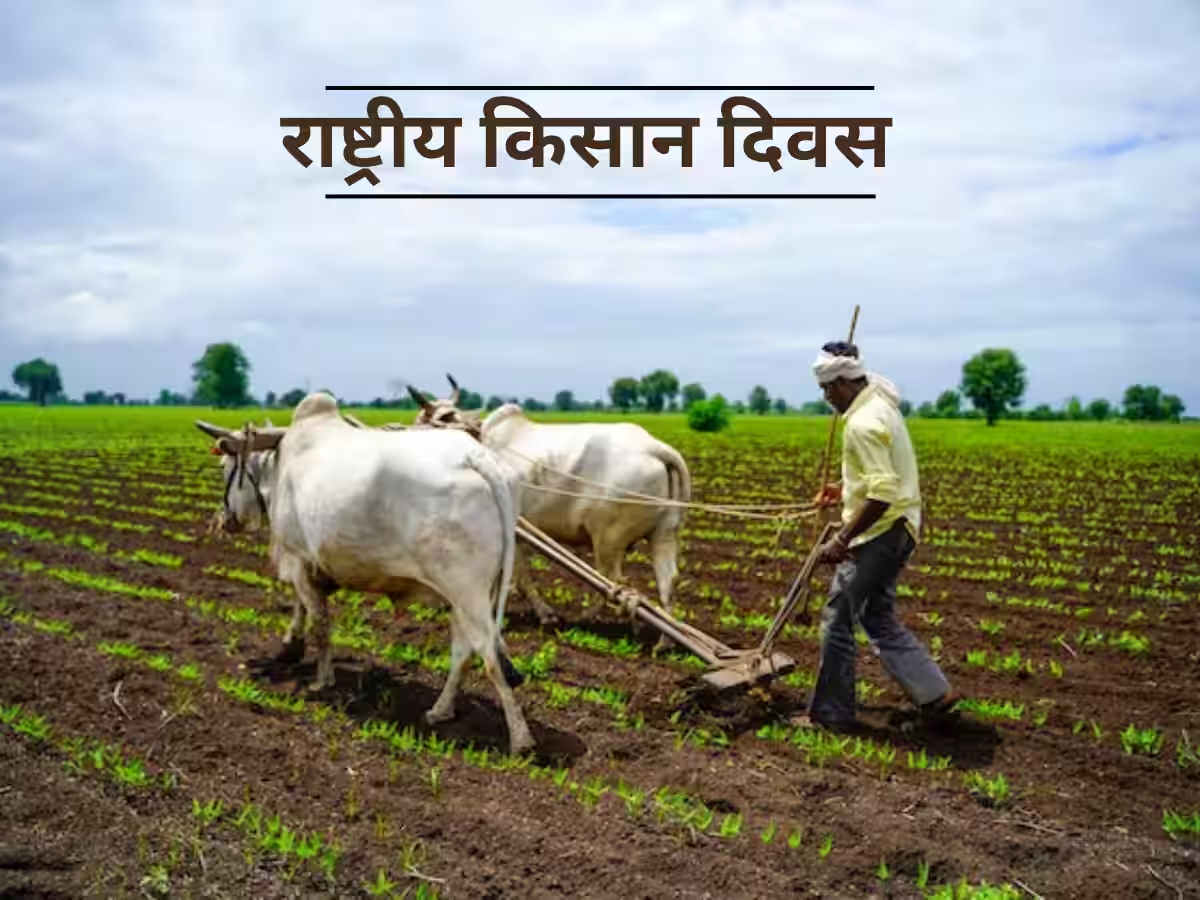
National Farmers Day: Honouring India’s Farmers

Every year on 23 December, India observes National Farmers Day a day dedicated to honouring the hard work and deep sacrifices of the nation’s farmers. On this day, we recognise the immense contribution farmers make in feeding the country, sustaining rural livelihoods, and upholding the backbone of India’s economy.
Thank you for reading this post, don't forget to subscribe!For many, National Farmers Day is more than a date on the calendar it is a moment of gratitude, reflection and renewed commitment to supporting those who till the land, sow seeds, and labour to ensure our food security.
What is National Farmers Day?
National Farmers Day (in Hindi, Kisan Diwas) is celebrated on 23 December every year across India.
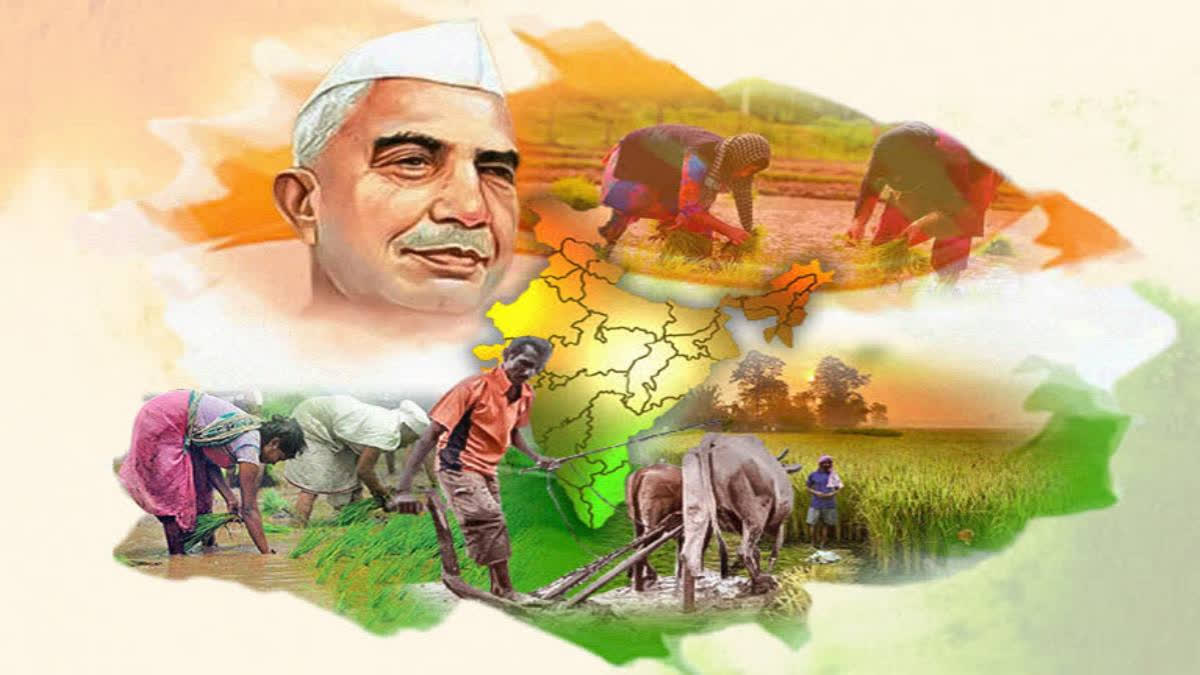
The day is observed to commemorate the birth anniversary of Chaudhary Charan Singh a leader who championed the cause of farmers and agriculture in India.
Chaudhary Charan Singh belonged to a peasant family and rose to become the fifth Prime Minister of India. Because of his longstanding efforts toward farmers’ welfare, land reforms and rural empowerment, the government decided to dedicate his birth anniversary to honour all farmers.
Since 2001, this day has been officially recognised as National Farmers Day a national acknowledgement of farmers’ vital role in India’s growth.
Why National Farmers Day Matters: Significance and Purpose
Farmers – Backbone of the Nation
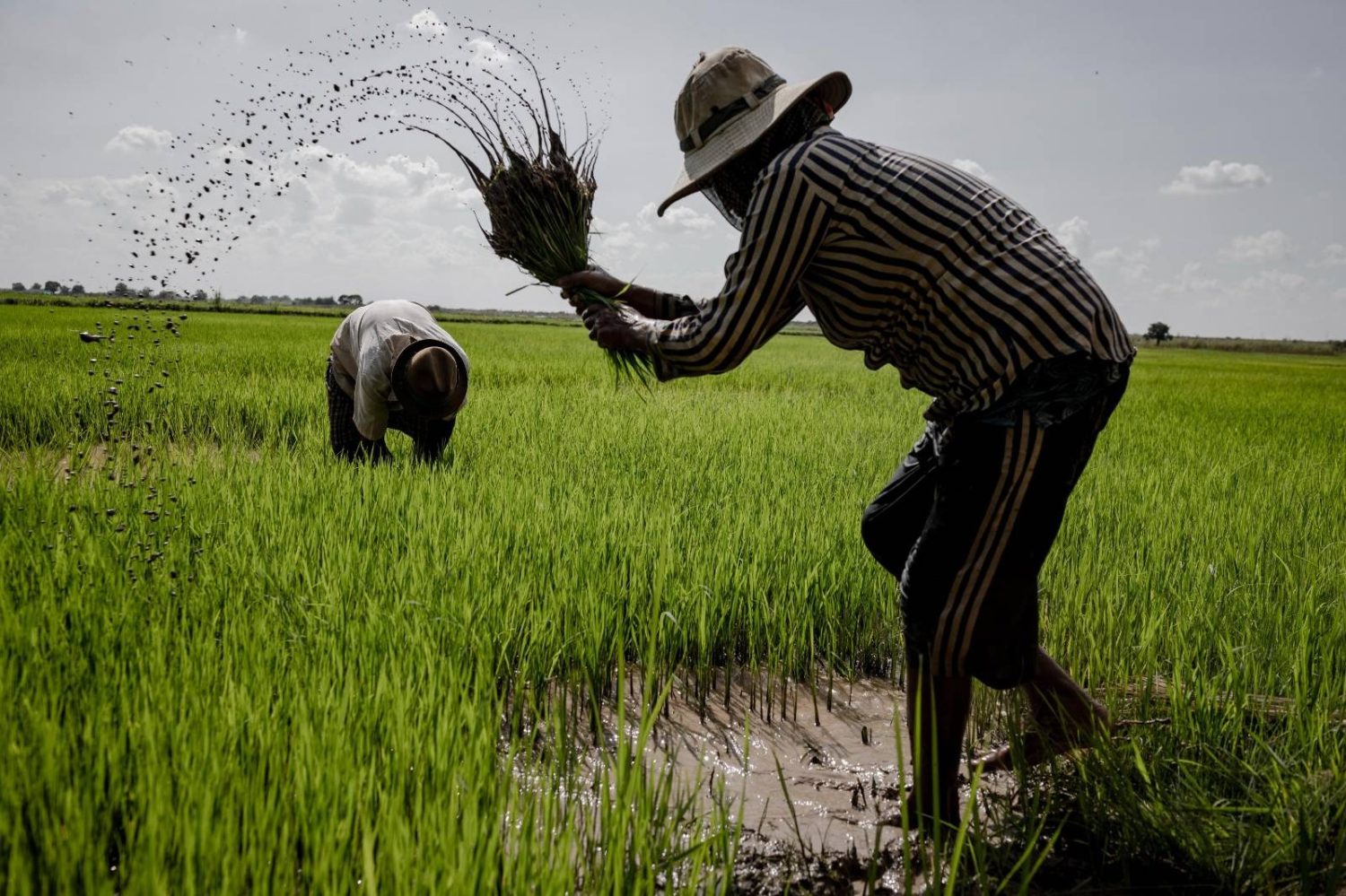
- Food Security & Nutrition: Farmers produce the food grains, vegetables, fruits the very sustenance for millions of households across India. Without farmers, there would be no regular supply of food.
- Economic Backbone: Agriculture remains a key part of the economy. Many rural families depend on agriculture for livelihood; farming supports rural employment and contributes significantly to the national output.
- Rural Livelihoods & Stability: For a large part of India’s population living in villages, farming is not just occupation but way of life. Observing Farmers Day reminds us of their continuous toil, uncertainties and hopes.
Honouring Sacrifice & Hard Work
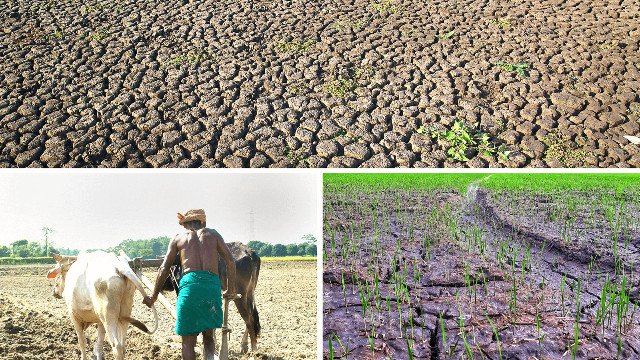
Farming is often difficult with unpredictable weather, long hours, physical labour, risk of crop failure or poor prices. National Farmers Day is a chance to honour those who despite hardships nurture our lands and feed our nation.
Reflection & Policy Awareness
The day is often used for discussions, seminars, workshops by agricultural bodies, institutions and government to highlight farmers’ issues from land reforms to modern farming techniques, from soil preservation to fair pricing, market access and social security.
Passing on Respect to Next Generations
For children and young people many of whom may move away from villages Kisan Diwas is a reminder of their roots. It is an educational moment: to understand where food comes from, to value farming heritage, and maybe to inspire them to support or adopt sustainable agriculture.
A Brief History – How It Started
- Chaudhary Charan Singh was born on 23 December. Because he dedicated much of his political career to farmers’ welfare land reforms, debt alleviation, rural upliftment the government chose his birth anniversary as National Farmers Day.
- Since 2001, the Government of India and various agricultural institutions have celebrated this day annually.
- Over time, what started as a remembrance evolved into a broader lens not only to honour veteran leaders, but to highlight contemporary issues: farmer rights, agricultural reforms, poverty, climate consciousness, sustainable farming, and more.
How National Farmers Day is Celebrated
Across India’s varied states from the lush fields of Assam to the plains of Uttar Pradesh, to the farms of Punjab, Gujarat to Tamil Nadu Farmers Day is observed in multiple ways depending on local tradition, culture, and context. Some common practices include:
- Seminars, Workshops & Debates: Agricultural universities, local farmer associations, government agencies organise discussions on farming practices, new technology, soil health, and schemes for farmers.
- Farming Exhibitions & Fairs: Exhibitions of local produce, displays of equipment, dissemination of information about improved seeds, fertilizers, sustainable farming methods.
- Honouring Farmers: Acknowledging hard-working farmers small, marginal, landless for their contributions; sometimes special awards or felicitation ceremonies.
- Public Awareness Campaigns: Emphasis on sustainable farming, soil health, crop diversity, farmer welfare; encouraging citizens to recognise farmers’ importance.
- Cultural Events: In many rural areas, Farmers Day overlaps with local festivals, harvest celebrations, community gatherings a mix of gratitude and festivity.
Relevance of National Farmers Day in Today’s India – Challenges & Contracts
While National Farmers Day recognises the contributions of farmers, it also draws attention to many ongoing issues and challenges facing agriculture and farmers. These are matters of concern and hope at the same time.

Agricultural Challenges: Uncertainty & Risk
- Weather & Climate: Rainfall dependency, changing climate patterns, erratic monsoons, floods or droughts all make farming unpredictable and risky.
- Small & Marginal Farmers: Many farmers own tiny plots of land. Fragmented holdings, lack of mechanisation, and limited resources make it hard to sustain livelihood just from farming.
- Soil Health & Sustainability: Continuous farming without proper soil care, overuse of chemicals can degrade soil quality threatening long-term sustainability.
Economic Issues: Price, Market & Credit
- Fair Price for Produce: Often farmers struggle to get fair remuneration due to middlemen, volatile markets, or lack of storage facilities.
- Access to Credit & Loans: Farmers sometimes rely on informal moneylenders at high interest leading to debt traps and distress.
- Input Costs: Seeds, fertilisers, equipment rising costs make profit marginal for small farmers.
Contracts & Modern Farming Issues
In modern India, there is increasing relevance of farm‑contracts, agreements with buyers, corporates, cooperatives especially for those cultivating cash crops, horticulture, or producing for supply chains. While contracts offer a promise of stability (fixed prices, assured buy-back), they also come with risks:
- Dependence on Corporates: Farmers may have to follow strict guidelines, quality checks, and might face pressure if yield or quality is not as per contract.
- Loss of Autonomy: Traditional ways of choosing crops, seasons, methods may be sidelined in favour of contract terms reducing farmers’ freedom.
- Market Vulnerability: If contract terms are weak, or corporations fail to honour them, farmers may suffer losses.
- Neglect of Traditional Crops: Focus on cash crops or export‑oriented produce may reduce local food crop diversity and impact food security.
Even though contracts offer opportunities like assured income, better market linkages many small farmers remain cautious or lack awareness.
In the context of National Farmers Day, these contract‑era challenges demand discussion: Are contracts giving justice to farmers? Are they bringing long-term sustainability? Is the farmer often landless or marginal being protected?
Why the World Must Respect and Support Farmers
Farmers are not just producers they are guardians of soil, biodiversity and tradition. They:
- Uphold food security for millions.
- Maintain ecological balance: healthy soil, water cycles, biodiversity.
- Preserve cultural and traditional farming practices that have sustained generations.
- Provide rural employment and livelihoods.
- Keep alive the spirit of self‑reliance and resilience.
In many countries including India, farmers face neglect, exploitation, uncertainties. But the world especially we citizens can support them by:
- Respecting their work, acknowledging their efforts.
- Supporting fair trade and fair price for farm produce.
- Advocating for sustainable farming, soil conservation, organic agriculture.
- Buying local produce, encouraging farmer-producer markets, cooperatives.
- Recognising farmer rights and supporting policies that ensure social security, minimum support price (MSP), and protection from exploitative contracts.
National Farmers Day reminds us: without farmers, we cannot survive.
What You Can Do – Ways to Observe National Farmers Day
Here are some simple yet meaningful ways you as a citizen can mark this day:
- Thank a Farmer: Visit a nearby farm, or reach out to a local farmer, and express your gratitude. A small gesture of respect can mean a lot.
- Spread Awareness: Share posts or messages on social media about Farmers Day talk about why farmers matter, about their challenges.
- Support Local Produce: Buy directly from local markets, farmers’ cooperatives or farmer‑producer organisations, when possible.
- Learn & Share: Learn about traditional and sustainable farming practices; share the knowledge in community friends, family, youth.
- Advocate: Support policies and decisions that protect farmer rights fair pricing, land reforms, support for small/marginal farmers, contract transparency.
- Celebrate Respectfully: If you are from a village or rural area organise or participate in local events honouring farmers: meets, discussions, cultural programmes.
Reflection: Farmers as the Real Heroes
Think the rice, vegetables, pulses, oil, sugar, fruits that fill our plates they all begin with a farmer’s labour. Rain or shine, drought or flood, sowing or harvest farmers persevere. They do not just grow crops they grow hope, sustenance, life.
In today’s fast-changing India with cities, technology, industries sometimes we forget the roots. We forget who ensures we have daily meals. National Farmers Day brings us back to those roots.
It calls us to respect, support, and restore dignity to agriculture. It calls us to build a future where farming is not a struggle but a dignified, sustainable livelihood.
Challenges Ahead – What Needs More Attention
Even while we celebrate National Farmers Day, it is important to recognise persistent problems that deserve attention from society, policymakers, and citizens:
- Ensuring fair price and minimum support price (MSP) so that farmers get real value for their yield.
- Protecting small and marginal farmers landless farmers, sharecroppers who often remain excluded from benefits.
- Promoting sustainable agriculture soil health, organic farming, seed diversity, ecological balance rather than heavy chemical usage.
- Regulating farm contracts and market linkages ensuring transparency, fair terms, farmer autonomy, and preventing exploitation by bigger players.
- Providing credit, insurance, storage infrastructure, access to technology especially for remote and under‑developed areas like parts of Assam.
- Educating youth and new generations about farming’s dignity and opportunities to prevent rural exodus and ensure agriculture doesn’t die with older generations.
Conclusion – Honoring Farmers, Building Hope
National Farmers Day is more than a date it is a tribute. A tribute to those who feed millions. A tribute to those whose hands sow the first seeds of hope. A tribute that asks us to remember, respect, and renew our commitment.
As India moves forward with cities rising, industries expanding, technology advancing let us not forget that the foundation of our growth is still the soil, the rain, the farmer. Let us honour them not just on 23 December, but every day: by buying local produce, supporting fair trade, encouraging sustainable agriculture, caring for land and water, and raising our voice for their rights.
Because supporting farmers means supporting humanity, justice, dignity, and future.
Faqs on Farmers Day
What is National Farmers Day?
National Farmers Day, also known as Kisan Diwas, is celebrated on 23 December to honour Indian farmers and their contributions.
Why is National Farmers Day celebrated?
It marks the birth anniversary of Chaudhary Charan Singh, a leader who dedicated his life to farmers’ welfare and rural development.
When is National Farmers Day observed?
Every year on 23 December across India.
How is National Farmers Day celebrated in India?
Through seminars, workshops, exhibitions, cultural programs, and by recognising outstanding farmers for their work.
What challenges do Indian farmers face today?
Farmers face unpredictable weather, market price fluctuations, rising input costs, debt issues, and challenges with modern farm contracts.
What are farm contracts, and how do they affect farmers?
Farm contracts are agreements between farmers and buyers or corporations. While they can ensure fixed prices, they may also reduce autonomy or risk exploitation.
How can citizens support farmers on National Farmers Day?
By buying local produce, promoting fair trade, spreading awareness about farming issues, and advocating for sustainable agriculture practices.
Who was Chaudhary Charan Singh?
He was India’s fifth Prime Minister and a farmer leader who worked for land reforms, rural development, and farmers’ welfare.