World Science Day for Peace and Development: Celebrating Science for a Better Future

The World Science Day for Peace and Development stands as a powerful global observance dedicated to recognizing the immense role science plays in promoting peace, development, and human progress. Celebrated annually on November 10, the day underscores the critical need to use scientific knowledge and innovation for the betterment of societies while ensuring that its benefits reach every corner of the world. Established by UNESCO (United Nations Educational, Scientific and Cultural Organization) in 2001, this day bridges the gap between science and society, reaffirming the global community’s commitment to responsible scientific advancement.
Thank you for reading this post, don't forget to subscribe!The celebration brings scientists, policymakers, educators, and citizens together to engage in dialogue about emerging scientific issues and the ethical responsibilities associated with technological progress. It emphasizes that science is not just a field of study it’s a catalyst for social transformation, peace, and sustainability.
The Origin and Significance of World Science Day for Peace and Development
The origins of the World Science Day for Peace and Development trace back to the World Conference on Science, held in Budapest, Hungary, in 1999. During this conference, global leaders, scientists, and policymakers recognized the urgent need to strengthen the connection between science and society. The declaration adopted at the conference “Science for the Twenty-First Century: A New Commitment” emphasized the importance of making science more accessible and relevant to the general public.
Following this, UNESCO proposed the establishment of a day dedicated to celebrating science in the service of peace and humanity. Thus, in 2001, the UNESCO General Conference proclaimed November 10 as the official date for World Science Day for Peace and Development, with its first celebration taking place in 2002.
The day aims to highlight four key goals:
- To strengthen public awareness about the role of science in peaceful and sustainable societies.
- To promote national and international solidarity for shared scientific advancement.
- To renew the global commitment to the responsible use of science for societal benefit.
- To highlight challenges and progress in science-related fields around the world.
The Theme of World Science Day for Peace and Development

Each year, UNESCO announces a theme that reflects the pressing issues of the global scientific community and humanity at large. These themes often align with UN Sustainable Development Goals (SDGs), emphasizing science’s integral role in achieving them. Past themes have included topics such as:
- “Science for Global Understanding”
- “Science for a Sustainable Future”
- “Building Climate-Ready Communities”
- “Open Science, Leaving No One Behind”
These themes provide a framework for global discussions, conferences, and workshops organized around the world. They encourage individuals and institutions to explore how scientific solutions can address global crises whether in health, environment, energy, or peacebuilding.
For instance, the theme “Building Climate-Ready Communities” emphasized the role of scientific research and innovation in combating climate change a challenge that directly affects peace and stability across regions. Similarly, “Open Science” focuses on inclusivity, ensuring that scientific knowledge is freely accessible and beneficial to all nations, particularly developing ones.
Science as a Tool for Peace
The World Science Day for Peace and Development is rooted in the belief that science can be a bridge between cultures and nations. By fostering understanding, cooperation, and shared progress, science has the potential to reduce conflict and promote peace.
Throughout history, scientific collaborations have transcended political and geographical boundaries. For example, international projects such as the CERN (European Organization for Nuclear Research) in Switzerland and the International Space Station (ISS) demonstrate how nations can work together peacefully in pursuit of shared knowledge. These institutions unite scientists from different backgrounds and ideologies under one goal: advancing humanity through science.
Science also plays a vital role in peacebuilding by addressing root causes of conflict such as poverty, inequality, and resource scarcity. Through innovations in agriculture, energy, and healthcare, science helps create stable societies where peace can flourish. Moreover, scientific diplomacy collaboration across borders through science has become an effective instrument in resolving global tensions and building mutual trust.
Science and Sustainable Development
Science and sustainable development are inseparable. The 2030 Agenda for Sustainable Development, adopted by all United Nations Member States, outlines 17 Sustainable Development Goals (SDGs) that aim to eradicate poverty, protect the planet, and ensure prosperity for all. Every one of these goals depends on scientific research and innovation.
From renewable energy technologies to advancements in medicine, from climate modeling to clean water solutions science provides the foundation for achieving sustainable development.
For example:
- In Goal 2: Zero Hunger, scientific research drives agricultural innovation through biotechnology and sustainable farming.
- For Goal 3: Good Health and Well-being, science contributes through vaccines, diagnostic tools, and public health studies.
- Goal 13: Climate Action depends on scientific understanding of climate systems and the development of green technologies.
Thus, celebrating World Science Day for Peace and Development is also a reaffirmation of our commitment to achieving these global goals through evidence-based decision-making and ethical scientific practice.
Bridging the Gap Between Science and Society
A major purpose of World Science Day for Peace and Development is to bridge the gap between science and society. While science profoundly impacts every aspect of life from the food we eat to the technology we use many people remain unaware of how scientific progress shapes their daily existence.
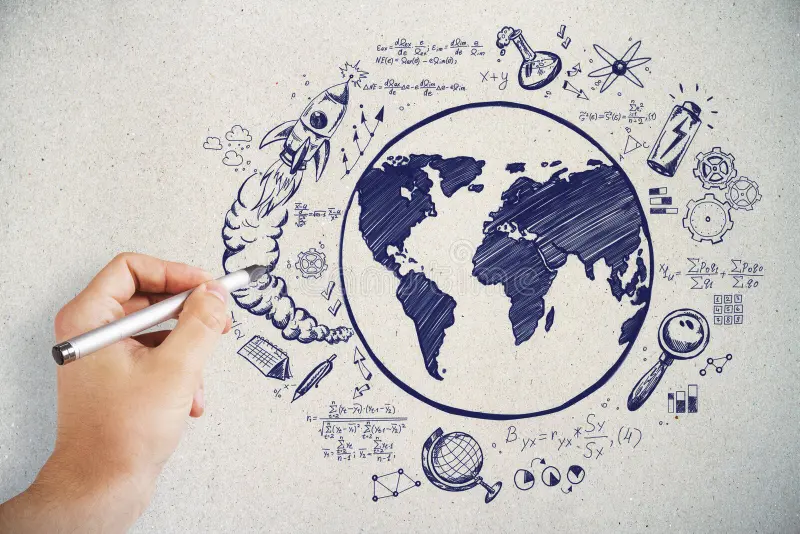
This day serves as a reminder that science should not exist in isolation. Public engagement, science education, and media literacy are essential to ensure that citizens understand, trust, and participate in scientific discourse.
Educational institutions, museums, NGOs, and governments organize events like:
- Science exhibitions and fairs showcasing local innovations.
- Public lectures and seminars featuring scientists and researchers.
- Workshops and debates about the ethical dimensions of emerging technologies.
- Science communication contests and outreach programs for students.
Such initiatives help demystify science, encourage curiosity, and empower individuals to make informed decisions on global issues like health, environment, and technology.
Science Education and Youth Empowerment
Education lies at the heart of scientific progress. The World Science Day for Peace and Development encourages nations to invest in science education and nurture the next generation of innovators. By inspiring young minds to pursue careers in science, technology, engineering, and mathematics (STEM), societies can ensure continued progress and resilience.
Moreover, involving youth in science fosters creativity and critical thinking skills essential not only for innovation but also for solving global challenges. Young scientists, through initiatives like UNESCO’s Youth Science Fora, are given platforms to present their ideas, collaborate across borders, and contribute to real-world solutions.
Encouraging equal participation is also crucial. Efforts are made to empower women and girls in science, bridging gender disparities and ensuring diversity in innovation. UNESCO’s programs like “Women in Science” aim to create inclusive scientific communities that represent all voices and perspectives.
Science Communication and Media’s Role
The celebration of World Science Day for Peace and Development also highlights the importance of science communication. In an era of misinformation and fake news, accurate and accessible science communication becomes essential. The media has a powerful responsibility to report scientific findings truthfully and in ways that the general public can understand.
Through documentaries, educational programs, and digital campaigns, the media helps popularize scientific achievements and raise awareness about pressing global challenges. Scientists too are encouraged to engage with the public through social media, podcasts, and open-access platforms promoting transparency and dialogue between experts and citizens.
Challenges Facing Science Today
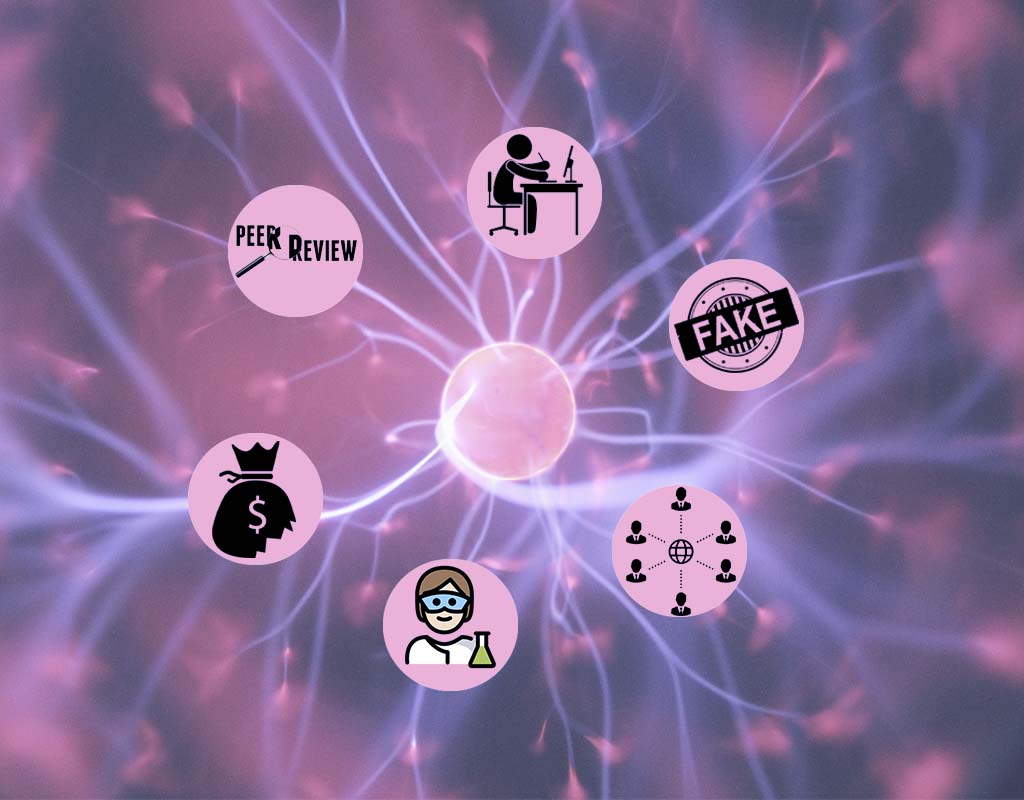
Despite its remarkable achievements, science today faces several global challenges that threaten its ability to serve humanity effectively. Issues such as funding shortages, political interference, and unequal access to technology hinder progress. In many developing countries, scientific infrastructure remains weak, and talented researchers lack resources to pursue innovative projects.
Another pressing concern is ethical responsibility. As scientific advancements continue in fields like artificial intelligence, biotechnology, and genetic engineering, the world must ensure that these developments are guided by ethical principles. Science should be a force for good, respecting human rights and ecological balance.
The World Science Day for Peace and Development provides a platform to discuss these challenges openly. It promotes dialogue about how to ensure that scientific progress remains sustainable, equitable, and peace-oriented.
Global Celebrations and Activities
Every year, UNESCO and its partner organizations coordinate global events to mark this important day. Universities, research institutions, and NGOs organize activities across countries to engage both scientific and non-scientific communities.
Typical events include:
- International conferences discussing policy and ethics in science.
- Public science demonstrations to make complex concepts understandable.
- Science diplomacy meetings between nations to encourage cooperative research.
- Awards and recognitions for outstanding scientists contributing to peace and development.
For instance, in previous years, UNESCO has collaborated with leading institutions to host panel discussions on topics such as artificial intelligence ethics, climate resilience, and open science frameworks. These initiatives not only celebrate scientific achievement but also encourage global solidarity.
The Future of Science for Peace and Development
Looking ahead, the future of World Science Day for Peace and Development will likely focus on enhancing global cooperation and embracing emerging scientific fields. As humanity faces complex issues like climate change, pandemics, and resource depletion, the importance of science-driven solutions has never been greater.
Artificial intelligence, renewable energy technologies, space exploration, and biotechnology are shaping the 21st century. Harnessing these advancements responsibly can lead to a more peaceful, equitable, and sustainable world. Science diplomacy will continue to serve as a bridge for international collaboration, helping countries share knowledge and build resilience together.
The key lies in inclusivity ensuring that every nation, regardless of economic status, benefits from scientific progress. Open access to data, equitable funding, and ethical governance of technology will define the global scientific landscape of the future.
Conclusion
The World Science Day for Peace and Development is more than a day of celebration it is a call to action. It reminds us that science must always serve humanity, not divide it. By promoting transparency, collaboration, and responsibility in scientific research, the global community can harness knowledge as a tool for peace and progress.

Science is not limited to laboratories or universities it shapes every aspect of human life, from the food we eat to the communication systems we rely on. On this day, the world reaffirms its faith in the transformative power of science to build a peaceful, sustainable, and inclusive future for all.
Frequently Asked Questions (FAQs)
1. What is the World Science Day for Peace and Development?
The World Science Day for Peace and Development is an international observance established by UNESCO in 2001. Celebrated every year on November 10, it highlights the importance of science in promoting peace, sustainable development, and the well-being of humanity.
2. Why is World Science Day celebrated on November 10?
The date marks the anniversary of the 1999 World Conference on Science held in Budapest, where global leaders called for stronger links between science and society. UNESCO later chose November 10 as a day to reaffirm that commitment.
3. What is the theme of World Science Day for Peace and Development?
Each year, UNESCO announces a specific theme that reflects global scientific challenges and priorities such as climate action, open science, or sustainability. The theme guides international discussions and awareness programs.
4. How does science promote peace and development?
Science fosters peace by promoting cooperation across borders, solving shared global problems like climate change, and addressing inequality through innovation. It also helps societies develop sustainably by improving healthcare, education, and technology.
5. Who celebrates World Science Day for Peace and Development?
The day is celebrated worldwide by scientists, students, educators, research institutions, governments, NGOs, and the general public through conferences, exhibitions, lectures, and awareness campaigns.
6. What are some ways to participate in World Science Day?
Individuals and organizations can participate by attending science fairs, organizing educational events, sharing scientific knowledge through media, or supporting STEM education in their communities.
7. How does UNESCO support World Science Day?
UNESCO coordinates global events, promotes science diplomacy, provides policy guidance, and funds programs that advance scientific education, innovation, and ethical research aligned with peace and sustainability goals.