Delhi Cloud Seeding Trials Fail to Produce Artificial Rain

Delhi’s much-anticipated cloud seeding exercise, aimed at producing artificial rain to combat the capital’s choking air pollution, ended with limited results. The Delhi Cloud Seeding Trials were carried out over key parts of the National Capital Region, using aircraft equipped with salt-based and silver iodide flares. Despite the scientific precision behind the operation, unfavourable weather conditions and insufficient humidity levels hindered the desired outcome meaningful rainfall.
Thank you for reading this post, don't forget to subscribe!Purpose Behind the Cloud Seeding Initiative
The initiative was a crucial part of Delhi’s multi-pronged strategy to tackle rising air pollution, particularly as the Air Quality Index (AQI) slipped into the ‘severe’ category in late October. The city’s skies often turn grey with smog due to vehicular emissions, stubble burning, and industrial pollutants. Authorities, in collaboration with the Indian Institute of Technology (IIT) Kanpur, decided to employ cloud seeding a form of weather modification to induce artificial rain that could wash away particulate matter suspended in the air.
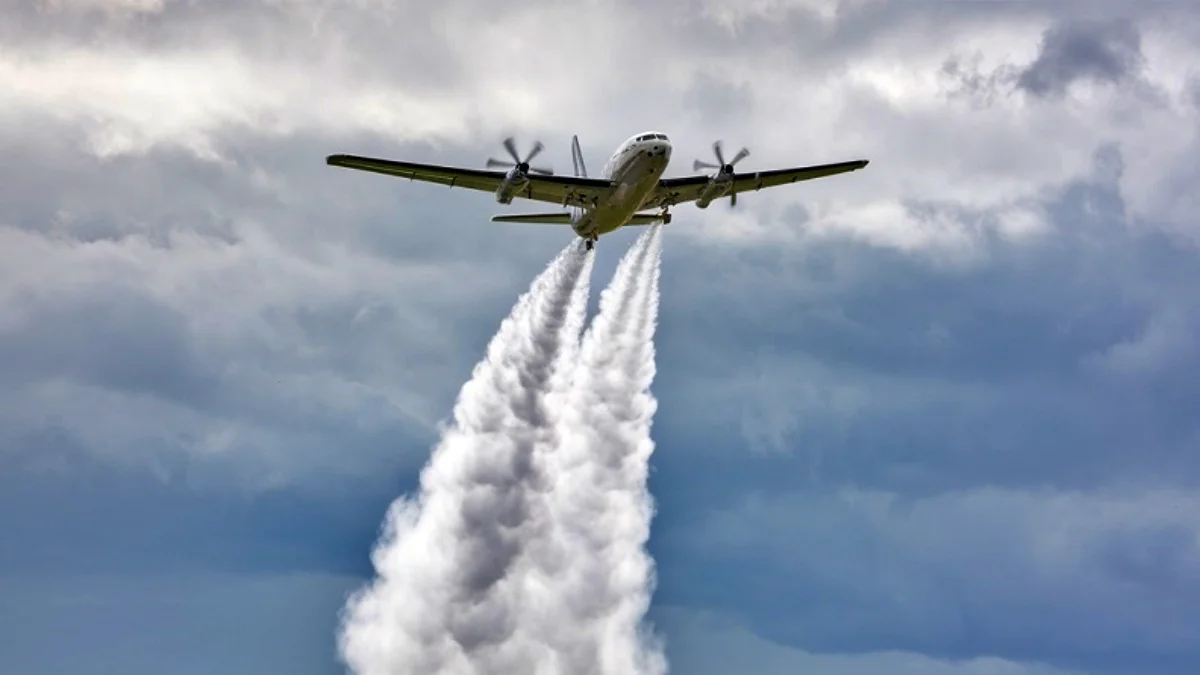
The trials were conducted using a specially modified Cessna aircraft, which took off from Kanpur and flew over several identified zones in Delhi, including Khekra, Burari, North Karol Bagh, and Mayur Vihar. The plan included five potential trials, but only two were executed due to fluctuating weather conditions. The goal was to disperse salt and silver iodide particles into moisture-bearing clouds, prompting condensation and rainfall that could temporarily improve air quality.
Scientific Factors Behind the Limited Success of Delhi Cloud Seeding Trials
While the concept of cloud seeding is well-established, its success depends heavily on meteorological conditions. In Delhi’s case, the atmospheric moisture content was significantly below the required threshold. Scientists noted that the moisture levels were around 10–15 per cent, whereas at least 30–40 per cent is necessary for successful rainfall formation.
Despite visible clouds, they lacked vertical development and liquid water concentration, both critical for effective seeding. The aircraft dispersed flares weighing between two and 2.5 kilograms each, but the atmosphere did not support droplet formation. As a result, the operation produced only minimal drizzle in isolated areas, falling short of expectations.
Experts explained that the thermal structure of the atmosphere and weak updrafts further limited cloud growth. Cloud seeding can only enhance existing precipitation potential; it cannot create rain from dry or weak clouds. Hence, the Delhi Cloud Seeding Trials served as a valuable lesson in understanding the climatic limitations of weather modification techniques in urban environments.
Impact on Air Quality Parameters
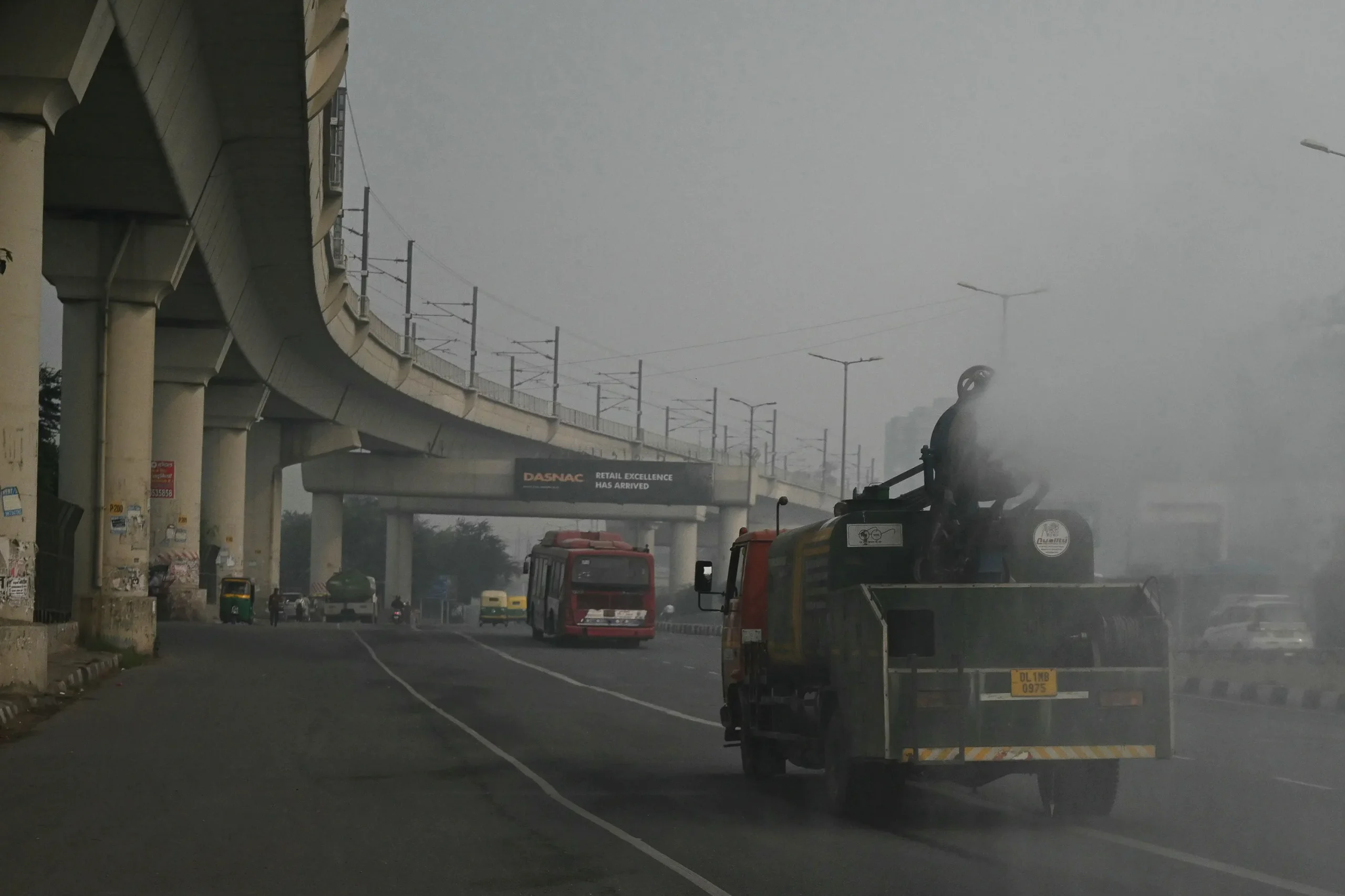
Although the artificial rain attempt did not produce significant rainfall, it had a minor, short-term impact on Delhi’s air quality. Monitoring stations in Mayur Vihar, Karol Bagh, and Burari reported slight reductions in PM2.5 and PM10 concentrations shortly after the trials.
- PM2.5 levels dropped from 221 µg/m³ to 207 µg/m³
- PM10 levels decreased from 207 µg/m³ to 177 µg/m³
Meanwhile, Noida and Greater Noida recorded trace rainfall of 0.1 mm and 0.2 mm, respectively, indicating limited localised effects. However, these reductions were not sustained, as pollution levels began rising again within 24 hours due to stagnant wind flow and continued emissions from local and regional sources.
The experiment did demonstrate that even minimal rainfall can offer temporary relief by settling suspended particles. Yet, it also reaffirmed that cloud seeding cannot serve as a long-term pollution control measure without favourable meteorological support.
Exam-Oriented Facts on Cloud Seeding
For students and competitive exam aspirants, several key facts emerge from Delhi’s experiment:
- Cloud seeding is a weather modification technique that uses silver iodide or salt particles to stimulate cloud condensation and precipitation.
- Delhi’s operation deployed a Cessna aircraft flying from Kanpur and Meerut, covering multiple sectors of the NCR.
- Moisture levels below 30 per cent significantly reduce the probability of successful rainfall.
- The Delhi Cloud Seeding Trials marked India’s first large-scale artificial rain attempt primarily targeted at urban air pollution mitigation.
- Despite partial success, the project provided valuable meteorological data for refining future operations.
Future Prospects for Artificial Rain Projects
The mixed outcome of Delhi’s cloud seeding operation underscores a vital lesson the success of artificial rain depends entirely on precise weather timing. Experts suggest that future attempts should be scheduled only when specific atmospheric parameters align, such as:
- Adequate humidity and cloud liquid water content
- Strong vertical cloud development
- Suitable temperature gradients
- Absence of dry air intrusions that dissipate cloud moisture
Moreover, experts emphasise that artificial rain should be viewed as a supplementary solution, not a replacement for sustained pollution control measures. While cloud seeding can temporarily reduce particulate concentration, long-term air quality improvement demands stricter enforcement of emission standards, adoption of clean fuels, reduction in vehicular congestion, and effective management of crop residue burning.
Way Forward
The Delhi Cloud Seeding Trials mark a significant scientific milestone for India, showcasing the growing reliance on climate intervention technologies to address environmental challenges. Though the results were limited, the experiment contributes valuable insights into how such methods can be optimized for Indian climatic conditions.
Going forward, policymakers and scientists may explore hybrid weather modification approaches, combining real-time satellite data, advanced cloud radar, and predictive modeling to improve timing and targeting accuracy. International collaborations and pilot studies across different Indian states could also help identify regional variations in atmospheric behaviour.
In essence, while the capital’s attempt at creating artificial rain fell short of expectations, it has opened up a crucial dialogue about the feasibility and ethics of weather modification in urban pollution control. The experience reaffirms the need for a blend of scientific innovation, strategic timing, and sustainable long-term planning to ensure clearer skies for Delhi’s future.