


UP North-South Road Corridors Approved: Uttar Pradesh Moves Toward Balanced and Faster Connectivity

UP North-South Road Corridors Approved this decision marks a major step in reshaping Uttar Pradesh’s transport network and addressing long-standing connectivity gaps between the northern and southern parts of the state. The Uttar Pradesh government has cleared six new North–South road corridors that are expected to connect more than 24 districts, reduce travel time, and open new opportunities for trade, investment, and employment. The move reflects a shift in planning priorities and aims to ensure more balanced regional development across the state.
Thank you for reading this post, don't forget to subscribe!A New Direction in Road Development
For several years, Uttar Pradesh focused mainly on east–west expressways to improve movement across the state. While these routes strengthened horizontal connectivity, large parts of the state still faced difficulties in smooth north–south travel. Recognizing this gap, the state government decided to push for vertical road corridors that link districts from the Nepal border in the north to Bundelkhand and southern regions.
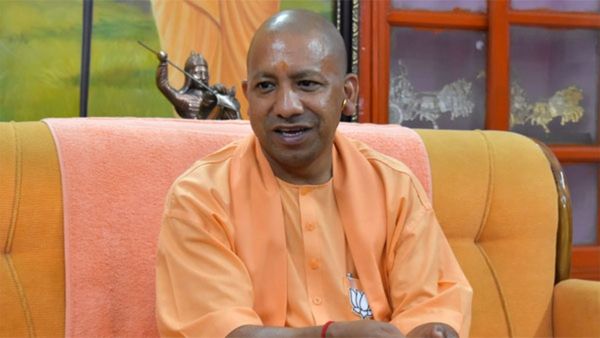
The plan has received formal approval from Chief Minister Yogi Adityanath. Over the past two years, he has repeatedly highlighted the need for strong north–south road links and discussed the issue with Union Road Transport Minister Nitin Gadkari. With the Public Works Department preparing detailed execution plans, the project is now moving from vision to action.
Improving Access Across Regions
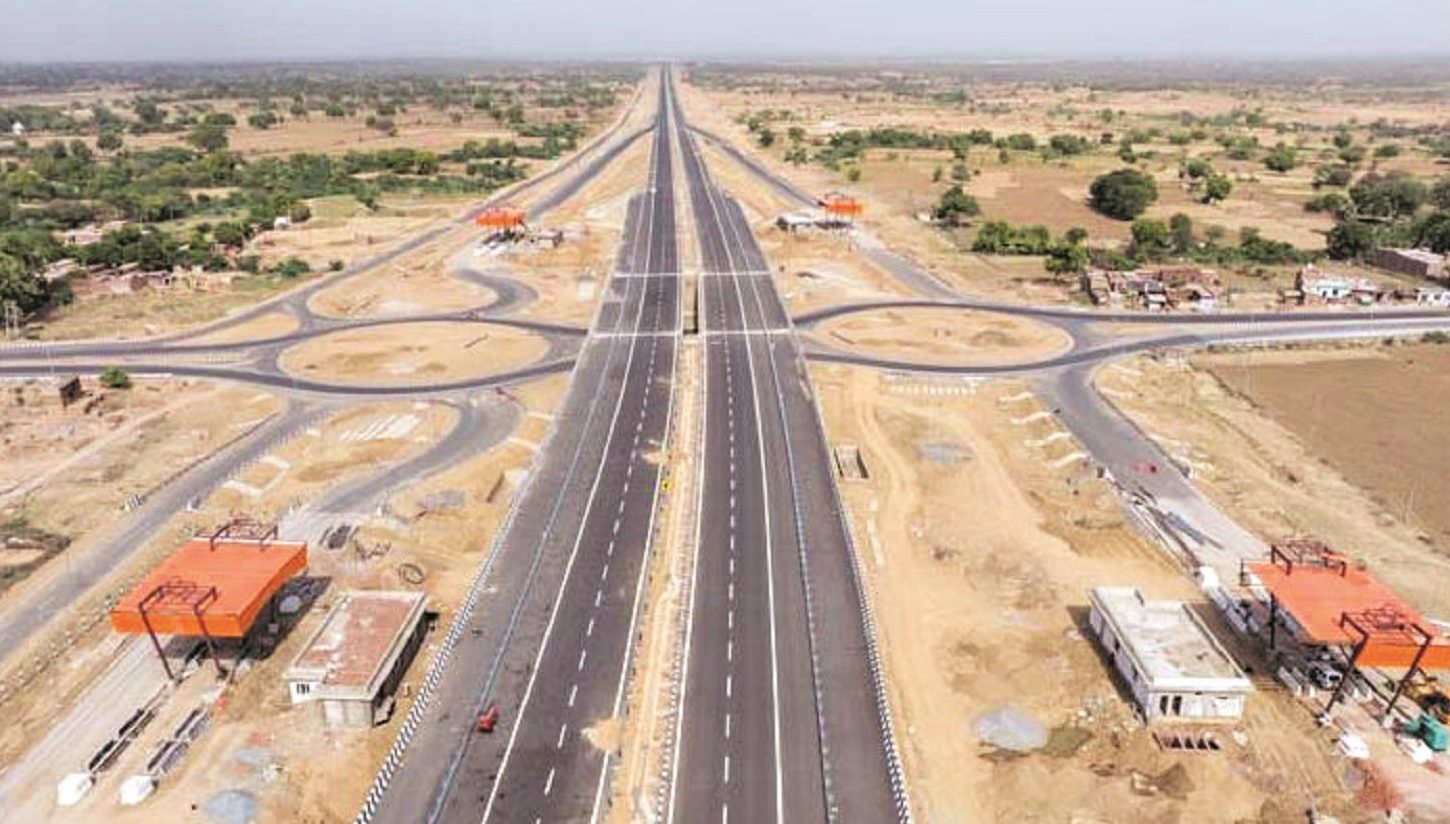
The six corridors are designed to pass through diverse regions of Uttar Pradesh, including eastern districts, central zones, border areas, and Bundelkhand. Together, they aim to create a continuous road network that allows smoother movement of people and goods.
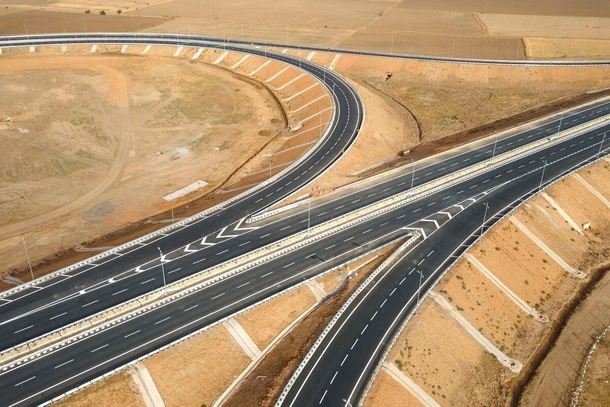
One of the most important routes is the Shravasti–Prayagraj corridor, which stretches about 262 kilometers. This road will pass through Ayodhya, Sultanpur, and Pratapgarh, connecting religious, cultural, and administrative centers. Several sections of this corridor will be developed as six-lane greenfield highways, while other stretches will be upgraded to integrate with existing expressways.
Another key route in eastern Uttar Pradesh will connect Kushinagar with Varanasi through Deoria and Ghazipur. Some parts of this corridor already exist, but further upgrades are planned to improve road quality and capacity. The estimated cost of these additional works is around ₹342 crore, reflecting the government’s focus on strengthening infrastructure in this region.
Strengthening Border and Central Connectivity
The approved plan also includes a 295-kilometer corridor running from the Nepal border at Pipri to Prayagraj. This route is expected to play an important role in improving cross-border connectivity while also supporting trade and travel within the state. The responsibility for this corridor will be shared between the state Public Works Department and central agencies such as the National Highways Authority of India and the Ministry of Road Transport and Highways.
In central Uttar Pradesh, a 502-kilometer corridor from Lakhimpur to Banda will connect districts like Sitapur and Lucknow with Bundelkhand. This route will improve access to both industrial and agricultural areas, making it easier for farmers, businesses, and transport operators to move goods efficiently. Better road access is also expected to attract new investments along the corridor.
The Longest Transport Spine
Among the six projects, the longest corridor will run 547 kilometers from Bareilly to Lalitpur via Agra and Jhansi. This route is designed to integrate several major expressways into a single continuous transport spine. By linking existing expressways, the corridor will reduce travel time between northern and southern districts and create smoother long-distance movement across the state.
Another corridor, running from Pilibhit to Harpalpur, will connect forest regions, industrial zones, and Bundelkhand areas. This route will help bring remote regions closer to major markets and urban centers, improving access to services and economic opportunities.
UP North-South Road Corridors Approved for Economic and Social Impact Across Regions
The approval of these corridors is expected to have a strong impact on logistics efficiency in Uttar Pradesh. Faster and more reliable road links will lower transport costs, making the state more attractive for industries and investors. Improved connectivity will also support tourism, agriculture, and small businesses by providing easier access to markets and destinations.
Employment generation is another key benefit. Large-scale road construction creates jobs during the building phase and supports long-term economic activity once the corridors become operational. Local businesses such as transport services, roadside facilities, and logistics hubs are also likely to grow along these routes.
UP North-South Road Corridors Approved: Execution and Timeline for Completion
The Public Works Department has already prepared execution plans for the six corridors. Cabinet approval for cost estimates is expected soon, after which construction work can begin. The state government has set an ambitious timeline, aiming to complete all six corridors within two years.
The involvement of both state and central agencies is expected to speed up execution and ensure better coordination. By integrating these new corridors with existing expressways such as the Purvanchal, Ganga, and Yamuna routes, the government aims to create a seamless and efficient road network across Uttar Pradesh.
UP North-South Road Corridors Approved as a Step Toward Balanced Growth
The decision to approve six north–south road corridors reflects a broader vision for balanced regional development. By connecting districts that were earlier less accessible, the state is working toward reducing regional disparities and promoting inclusive growth. Improved roads not only save time but also bring opportunities closer to people, especially in rural and semi-urban areas.
With strong political backing, clear planning, and a defined timeline, the UP North-South Road Corridors Approved initiative is set to play a key role in transforming the state’s transport landscape and supporting long-term economic progress.