India Tunnel Infrastructure Boom: How Underground Projects Are Redefining Connectivity and Growth

India Tunnel Infrastructure Boom is reshaping how the country connects its people, markets, and strategic frontiers. From the icy Himalayas to dense urban centres, India is carving pathways beneath mountains, rivers, and cities to overcome natural and man-made barriers. These tunnels are not just impressive engineering structures; they represent a deeper shift in national thinking, where difficult geography is no longer seen as an obstacle but as a challenge to be solved with planning, technology, and vision.
Thank you for reading this post, don't forget to subscribe!A new role for tunnels in national development
Tunnels have become central to India’s modern infrastructure story. For decades, many regions remained cut off for months due to snow, landslides, floods, or congestion. Today, tunnels allow roads and railways to remain open throughout the year, ensuring steady movement of people, goods, and essential services.
Their value goes far beyond saving travel time. Reliable connectivity improves access to hospitals, schools, and markets, helping local economies grow. For border areas, tunnels strengthen defence preparedness by enabling faster and safer movement of troops and supplies. In cities, underground corridors reduce surface congestion and improve daily commuting for millions.
This growing importance explains why tunnelling is now one of the fastest-expanding segments of India’s infrastructure sector, driven by highways, railways, metro systems, and strategic projects.
From traditional methods to modern engineering
India’s tunnelling journey has seen a major transformation over the past decade. Earlier projects depended mainly on drill-and-blast techniques, which were effective but slow and risky in complex geology. Today, these methods are supported or replaced by advanced technologies that improve safety, speed, and precision.
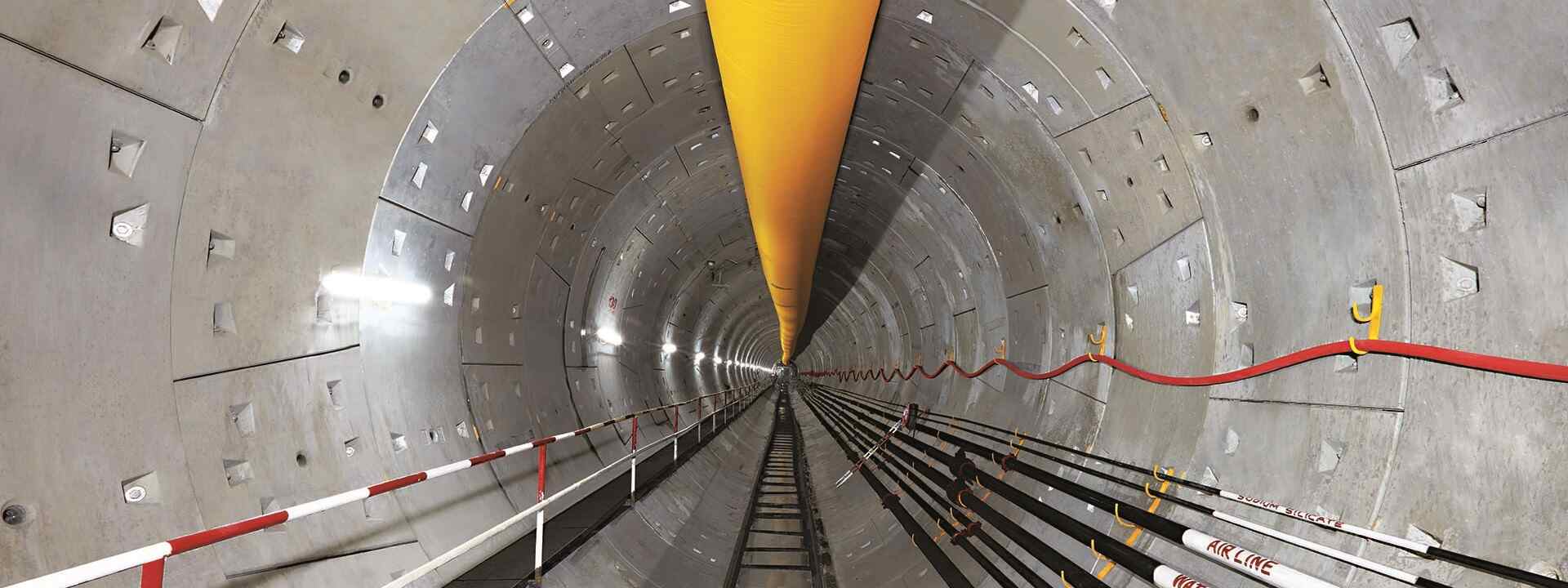
Modern tunnels are planned using detailed geological surveys and continuous monitoring of rock behaviour. During construction, engineers adjust designs in real time to suit changing conditions underground. Once operational, tunnels function like controlled environments, fitted with ventilation systems, fire safety equipment, LED lighting, surveillance cameras, emergency exits, and central control rooms.
This shift has made tunnels safer for users and workers alike, especially in high-altitude regions and crowded urban settings.
Key technologies behind the tunnel push
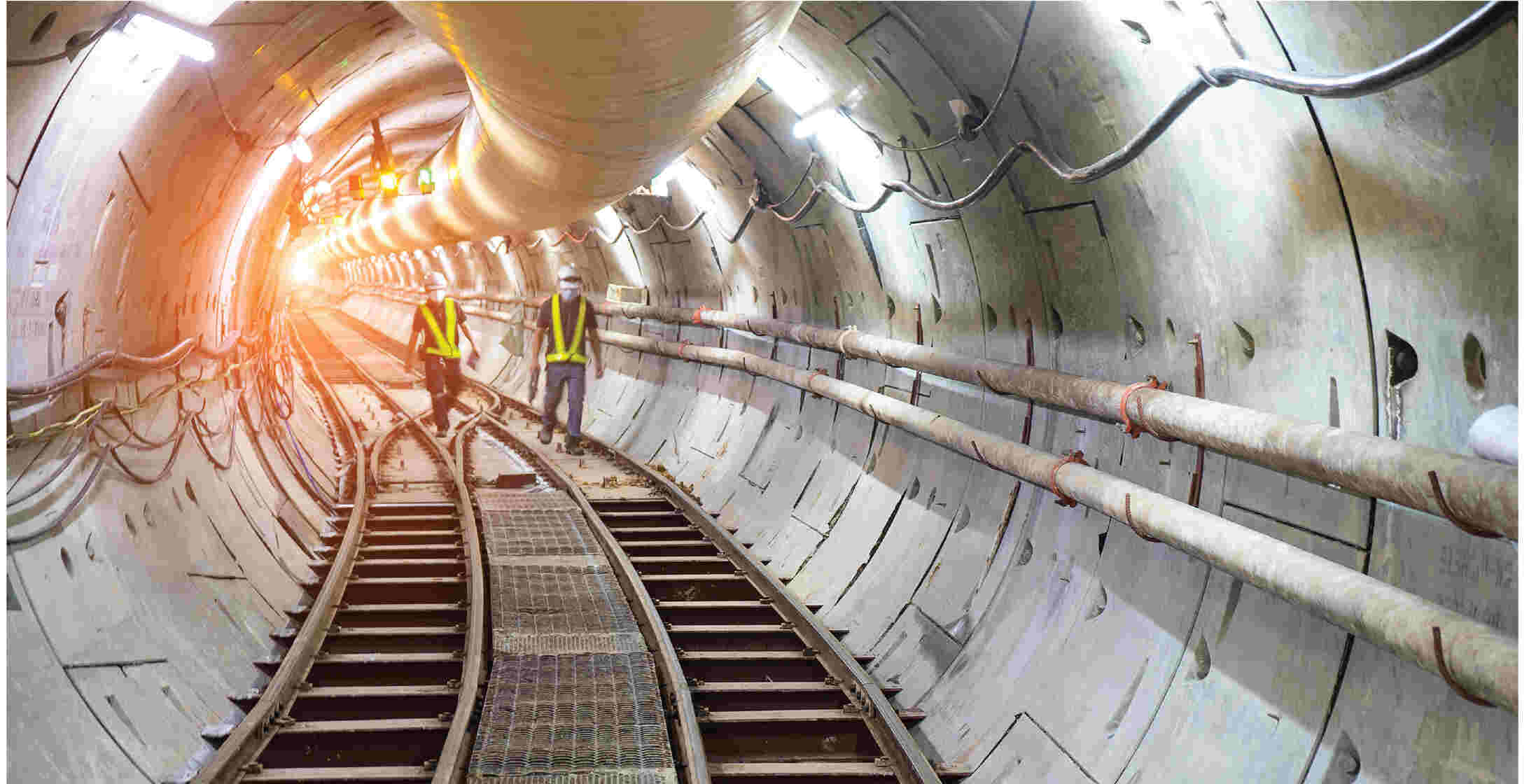
Three technologies stand out in the India Tunnel Infrastructure Boom. Tunnel Boring Machines, or TBMs, are now common in metro rail projects and long railway tunnels. They allow precise excavation with minimal impact on the surface, which is crucial in cities and environmentally sensitive areas.
The New Austrian Tunnelling Method is widely used in the Himalayas, where rock conditions change frequently. This method allows engineers to modify support systems as work progresses, making it ideal for unpredictable terrain. Alongside these, integrated tunnel control systems bring together traffic management, communication, and safety operations into a single digital platform, ensuring constant monitoring and quick response during emergencies.
Together, these tools have expanded what India can achieve underground.
Landmark tunnels that changed connectivity
Several tunnels have already become symbols of this new infrastructure approach. The Atal Tunnel beneath the Pir Panjal range provides all-weather access between Manali and Lahaul–Spiti. By bypassing the Rohtang Pass, it has reduced travel distance and time significantly while supporting tourism, local livelihoods, and defence movement under extreme weather conditions.
In Jammu and Kashmir, projects like the Banihal–Qazigund Road Tunnel and the Dr Syama Prasad Mookerjee Tunnel have transformed travel reliability. These tunnels have shortened distances, improved safety, and strengthened integration of the region with the rest of the country.
In the northeast, the Sela Tunnel on the Tezpur–Tawang route ensures uninterrupted access to a sensitive border area. Beyond strategic value, it supports local trade and everyday movement for residents in a region once heavily affected by weather disruptions.
Rail tunnels shaping future mobility in the India Tunnel Infrastructure Boom
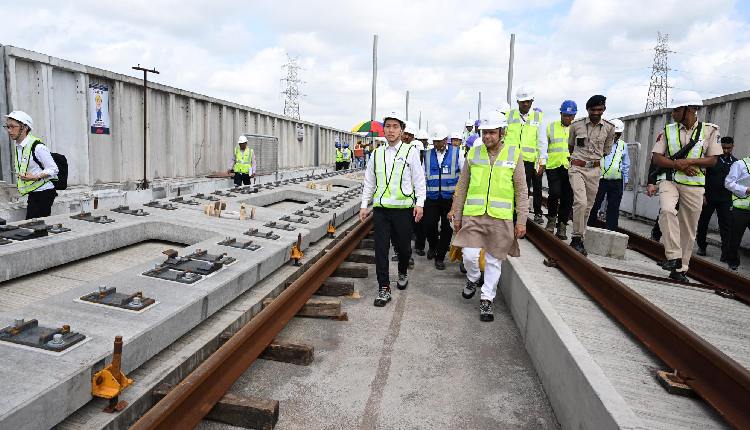
Railway tunnels are another major pillar of this boom. The Udhampur–Srinagar–Baramulla Rail Link stands out for its scale and complexity. Tunnel T50, stretching over 12 kilometres, is among India’s longest transport tunnels. Built through fragile Himalayan geology, it includes a main tunnel, a parallel escape tunnel, advanced monitoring systems, and strong safety features, creating a reliable rail link to the Kashmir Valley.
Urban rail has also gone underground in a big way. The Kolkata underwater metro tunnel beneath the Hooghly River marked a historic milestone by bringing metro services below a major river, easing daily travel in one of India’s busiest cities.
Mega projects shaping the future of the India Tunnel Infrastructure Boom
Some of the most ambitious tunnel projects are still under construction. The Zojila Tunnel, once completed, will provide all-weather connectivity between Ladakh and the rest of India. Its scale and altitude make it a critical project for defence logistics, tourism, and regional development.
Another landmark is the undersea tunnel on the Mumbai–Ahmedabad high-speed rail corridor. Built under challenging conditions, it reflects India’s growing confidence in handling complex and high-risk engineering tasks. In Uttarakhand, the Rishikesh–Karnaprayag rail project relies heavily on tunnels, balancing connectivity needs with environmental care in a sensitive mountain ecosystem.
What this transformation truly represents
The India Tunnel Infrastructure Boom signals a deeper change in how development is planned and delivered. These tunnels reduce regional isolation, strengthen national security, and open new economic possibilities. They also show a move towards resilient infrastructure that can withstand climate challenges and support long-term growth.
As more tunnels become operational, they quietly but firmly reshape everyday life. Journeys become shorter and safer, remote regions gain new opportunities, and the nation moves closer to a future where terrain no longer decides destiny, but innovation does.