World Animal Day: Celebrating and Protecting Our Planet’s Creatures

World Animal Day is commemorated every year on October 4, bringing global attention to the importance of animal welfare, protection, and conservation. This day is not just a celebration of animals but also a call to action against their abuse, illegal killing, and exploitation. With wildlife facing constant threats from poachers, habitat destruction, and climate change, World Animal Day reminds us that humans hold a responsibility to protect both wild and domestic animals in their natural habitats.
Thank you for reading this post, don't forget to subscribe!From endangered species to pets, animals enrich our lives and sustain ecosystems. They deserve compassion, care, and legal protection. World Animal Day is an opportunity to reflect on our role in ensuring the survival and well-being of every living creature on Earth. It is also a day to raise awareness about ongoing issues such as animal testing, breeding for profit, and the use of animal-derived clothing like fur and wool.
The Background of World Animal Day
World Animal Day was founded by Heinrich Zimmermann, a German journalist, in 1925. Zimmermann was passionate about animal welfare and used his magazine Mensch und Hund (Man and Dog) to educate readers about the importance of protecting animals. Through his advocacy, he established a day dedicated to celebrating animals and highlighting their rights.
The first World Animal Day was observed on March 24, 1925, in Germany. However, the date was later changed to October 4 in 1929 to coincide with the feast day of St. Francis of Assisi, the patron saint of animals. Initially, the celebration was limited to Germany, Austria, Switzerland, and Czechoslovakia, but in 1931, the day was officially adopted by the International Animal Protection Congress and became recognized worldwide.
Why October 4?
October 4 was chosen for World Animal Day in honor of St. Francis of Assisi, a revered figure known for his deep connection with animals. Many stories depict St. Francis communicating with animals and treating them with compassion and respect. One famous tale recounts how he calmed a starved wild fox, preventing it from hunting humans.
St. Francis believed that animals were sentient beings deserving care, love, and protection. His philosophy aligns perfectly with the purpose of World Animal Day, which is to elevate animals to a status of dignity and respect in human society.
The Importance of World Animal Day
The significance of World Animal Day cannot be overstated. Animals are integral to ecosystems, culture, and human survival. They provide companionship, food, labor, and ecological balance. Yet, despite their importance, animals face numerous threats today:
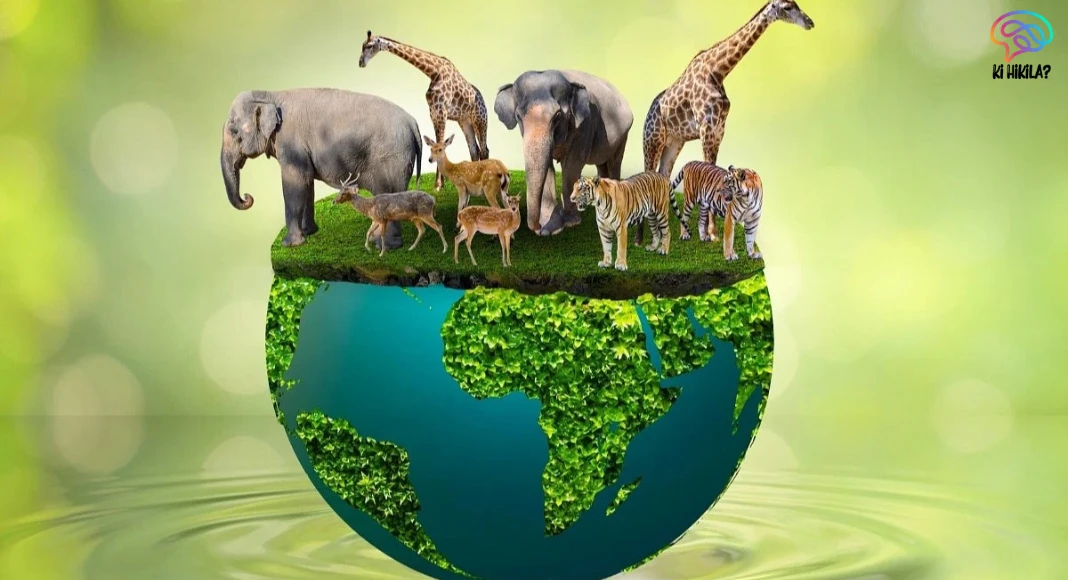
- Illegal Hunting and Poaching – Many species are endangered due to poaching for their skin, tusks, horns, or meat. African elephants, rhinos, tigers, and many marine creatures are at high risk of extinction.
- Animal Testing – Millions of animals are subjected to testing for cosmetics, medicines, and other products, often causing immense suffering.
- Breeding for Profit – Pets are frequently bred in conditions that prioritize profit over welfare, leading to poor health and suffering.
- Habitat Destruction – Deforestation, urbanization, and pollution threaten the natural habitats of countless species.
- Climate Change – Rising temperatures, changing rainfall patterns, and natural disasters impact the survival of animals worldwide.
World Animal Day creates a platform for advocacy and education, aiming to combat these challenges. Organizations around the world use this day to campaign for better animal protection laws, raise awareness about cruelty, and promote ethical treatment of all species.
How World Animal Day is Celebrated
World Animal Day is observed globally with various events and initiatives. While some celebrations are fun and educational, others focus on activism and advocacy. Here are some common ways people and organizations celebrate:
1. Volunteering with Animal Organizations
Animal lovers can spend the day volunteering at shelters, rescue centers, or animal rights groups. Volunteering provides hands-on support for animals and helps raise awareness about ongoing issues in the local community.
2. Adopting Animals
Many abused or abandoned animals end up in shelters, waiting for loving homes. Adopting pets on World Animal Day is a direct way to give them a second chance at life. It also reduces the demand for breeding operations that prioritize profit over welfare.
3. Awareness Campaigns and Seminars
Animal organizations often hold awareness seminars, workshops, and rallies to educate the public about animal welfare issues. Topics may include endangered species, wildlife conservation, ethical treatment of pets, and animal-friendly alternatives to harmful products.
4. Peaceful Protests and Fundraising Events
World Animal Day is also a day for advocacy. Many groups organize protests, petitions, and fundraising events to push for stricter laws against animal cruelty, ban animal testing, and protect natural habitats. Participating in such initiatives helps amplify the voices of animals that cannot speak for themselves.
5. Ethical Consumer Choices
Organizations like PETA promote actions such as boycotting fur, wool, and other animal-derived products on World Animal Day. By making conscious choices in clothing, food, and products, individuals can reduce the demand for practices that harm animals.
6. Education and Awareness in Schools
Many schools and universities organize competitions, exhibitions, and educational programs about animal welfare. These activities encourage children and youth to develop empathy for animals and understand their critical role in nature.
Global Participation in World Animal Day
World Animal Day transcends national, cultural, and religious boundaries. People from different walks of life unite on this day to celebrate and protect animals. Social media platforms amplify these celebrations, allowing messages about animal welfare to reach millions.
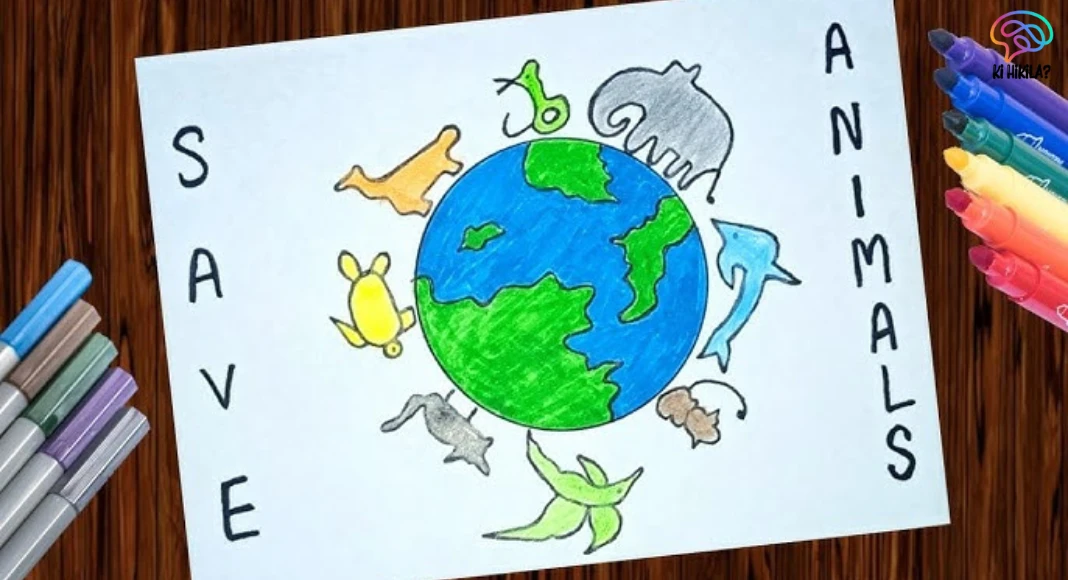
In addition to individuals, governments, NGOs, and international organizations actively participate. Some countries host large-scale events, such as wildlife conservation drives, beach clean-ups, and awareness marathons. Others focus on policy advocacy, lobbying for stronger laws to prevent animal cruelty.
Key Issues Highlighted on World Animal Day
While World Animal Day is a celebration, it also serves as a reminder of the challenges animals face. Some pressing issues include:
- Endangered Species Protection: Organizations use this day to highlight species on the brink of extinction and promote conservation programs.
- Pet Welfare: Addressing neglect, abandonment, and abusive breeding practices.
- Animal Testing Awareness: Educating the public about cruelty-free alternatives to product testing.
- Anti-Poaching Initiatives: Raising funds and awareness to combat illegal hunting and trade of wildlife.
- Habitat Preservation: Encouraging reforestation, pollution control, and marine conservation efforts.
By highlighting these issues, World Animal Day not only celebrates animals but also inspires meaningful action.
How You Can Make a Difference
You don’t need to be an activist to contribute on World Animal Day. Small steps by individuals collectively make a significant impact. Here’s how you can help:
- Volunteer – Offer your time to animal shelters or rescue groups.
- Adopt, Don’t Shop – Provide a loving home to abandoned or abused animals.
- Educate Others – Share knowledge about animal welfare issues through social media, blogs, or community events.
- Support Ethical Brands – Avoid products tested on animals or derived from animal cruelty.
- Participate in Events – Attend awareness drives, workshops, and seminars organized by local animal welfare groups.
- Contribute – Donate to organizations working toward wildlife protection and animal rescue.
Even simple actions, like feeding stray animals or reporting cruelty, contribute to a larger movement that prioritizes compassion over exploitation.
The Future of World Animal Day
Since its inception nearly a century ago, World Animal Day has grown from a small observance in Germany to a global movement. Awareness of animal welfare has increased, and several countries have introduced stronger laws against cruelty and exploitation. Yet, challenges remain, especially in regions where animal protection laws are weak or poorly enforced.
Looking forward, the focus is on:
- Strengthening international cooperation for wildlife conservation.
- Promoting cruelty-free alternatives in science, medicine, and industry.
- Educating future generations about empathy, conservation, and sustainable coexistence with animals.
- Using technology and social media to raise awareness and drive campaigns globally.
World Animal Day will continue to serve as a reminder that protecting animals is not only a moral obligation but also crucial for ecological balance and the health of our planet.
Conclusion
World Animal Day is more than a date on the calendar; it is a call to action. It reminds us of our duty to protect, respect, and cherish all living beings. From domestic pets to wild elephants, from endangered tigers to migratory birds, animals enrich our world and deserve a life free from suffering and abuse.
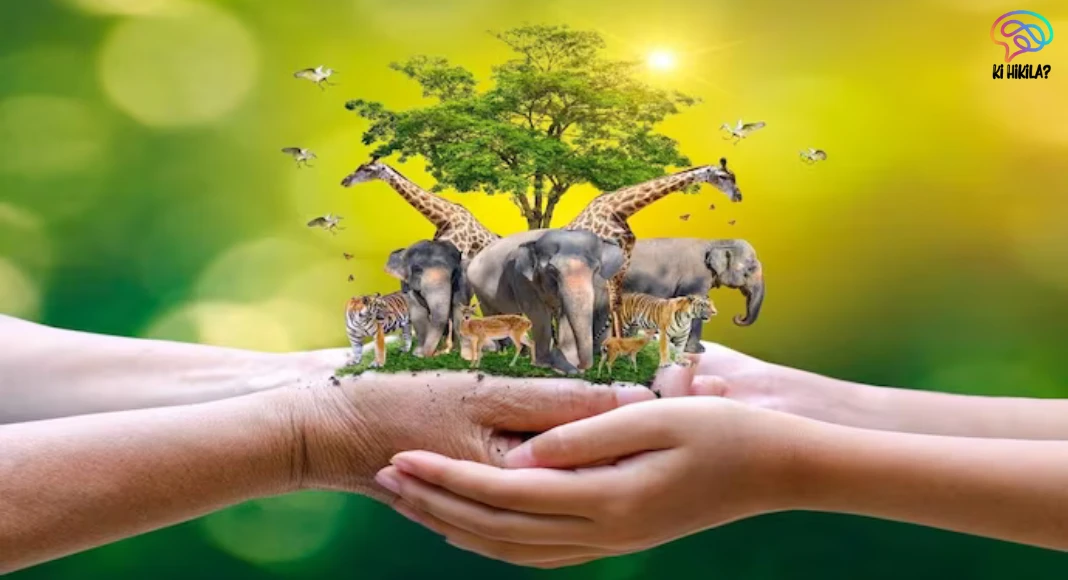
Celebrated every year on October 4, World Animal Day inspires individuals, organizations, and governments to act responsibly. It highlights the importance of conservation, ethical treatment, and legal protection while encouraging everyone to make conscious choices that benefit animals.
By participating in awareness campaigns, volunteering, adopting pets, and supporting ethical practices, each one of us can contribute to a world where animals are valued and protected. The legacy of St. Francis of Assisi and Heinrich Zimmermann reminds us that compassion, awareness, and action can change the world for animals.
Let every day be a step toward a kinder world where humans and animals coexist in harmony. World Animal Day is the perfect reminder that our actions today will determine the future of countless species tomorrow.
FAQs About World Animal Day
Q1: What is World Animal Day?
A: World Animal Day is an international observance celebrated every year on October 4 to raise awareness about animal welfare, prevent cruelty, and highlight the importance of protecting animals.
Q2: When is World Animal Day celebrated?
A: It is celebrated annually on October 4, in honor of St. Francis of Assisi, the patron saint of animals.
Q3: Who started World Animal Day?
A: World Animal Day was founded by Heinrich Zimmermann, a German journalist, in 1925. He promoted the day through his magazine Mensch und Hund to raise awareness about animal protection.
Q4: Why is October 4 chosen for World Animal Day?
A: October 4 was chosen to coincide with the feast day of St. Francis of Assisi, who is known for his love and special connection with animals.
Q5: What is the main goal of World Animal Day?
A: The main goal is to raise awareness about animal cruelty, illegal killing, and exploitation, promote conservation, and encourage humans to take responsibility for the welfare of both domestic and wild animals.
Q6: How can individuals participate in World Animal Day?
A: People can participate by volunteering at animal shelters, adopting abandoned animals, participating in awareness campaigns, boycotting animal-derived products, attending seminars, or donating to wildlife and animal welfare organizations.
Q7: Why is animal welfare important?
A: Animals are an integral part of ecosystems, culture, and human life. Protecting them ensures biodiversity, ecological balance, and humane treatment for all living beings.
Q8: What are the common issues animals face today?
A: Common issues include poaching, illegal hunting, habitat destruction, animal testing, abusive breeding, and climate change, which threaten the survival and well-being of many species.
Q9: Which organizations promote World Animal Day?
A: Various international and local organizations, including PETA, World Animal Protection, WWF, and local animal welfare groups, actively promote and organize events on this day.
Q10: How has World Animal Day evolved over the years?
A: From its first celebration in 1925 in Germany, World Animal Day has grown into a global movement, officially recognized in 1931, with countries around the world participating in events, campaigns, and awareness programs.
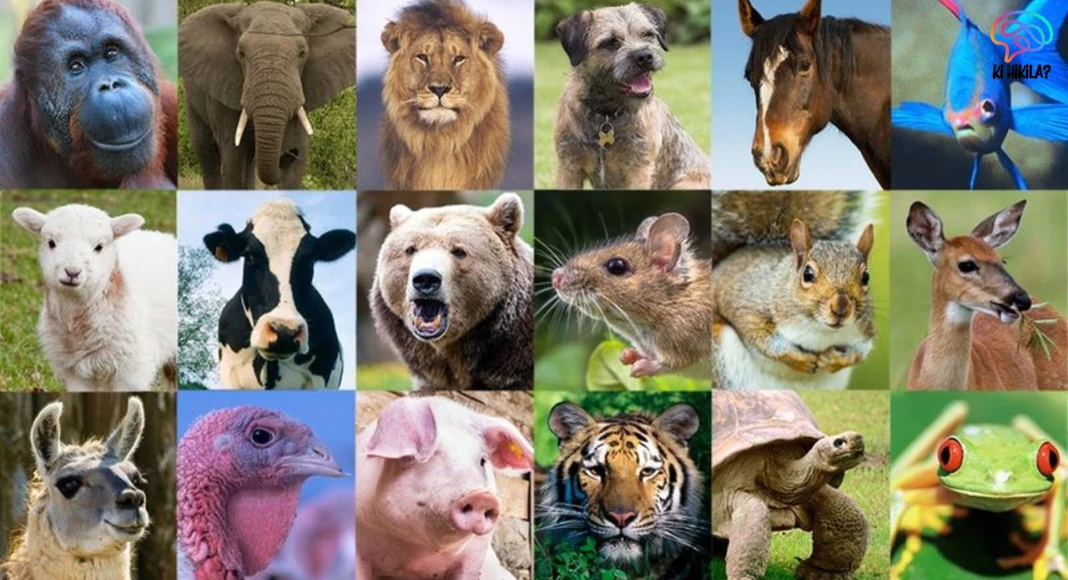
Q11: Can children participate in World Animal Day?
A: Absolutely! Schools often organize drawing competitions, awareness programs, and educational workshops to teach children compassion and responsibility towards animals.
Q12: What is one way to honor animals on World Animal Day at home?
A: People can adopt a pet, donate to an animal shelter, or educate family members about animal welfare to make a positive impact from home.
Q13: How does World Animal Day help endangered species?
A: The day raises awareness about endangered species, supports conservation projects, and encourages stronger laws and actions against poaching and habitat destruction.
Q14: Is World Animal Day celebrated globally?
A: Yes, it is celebrated in numerous countries worldwide, transcending nationality, religion, and culture, uniting people who care about animals.
Q15: What can governments do to support World Animal Day initiatives?
A: Governments can enforce strict anti-cruelty laws, fund wildlife conservation projects, regulate animal testing, and support awareness campaigns to ensure animals are protected and treated ethically.