



QR Code Medicines India

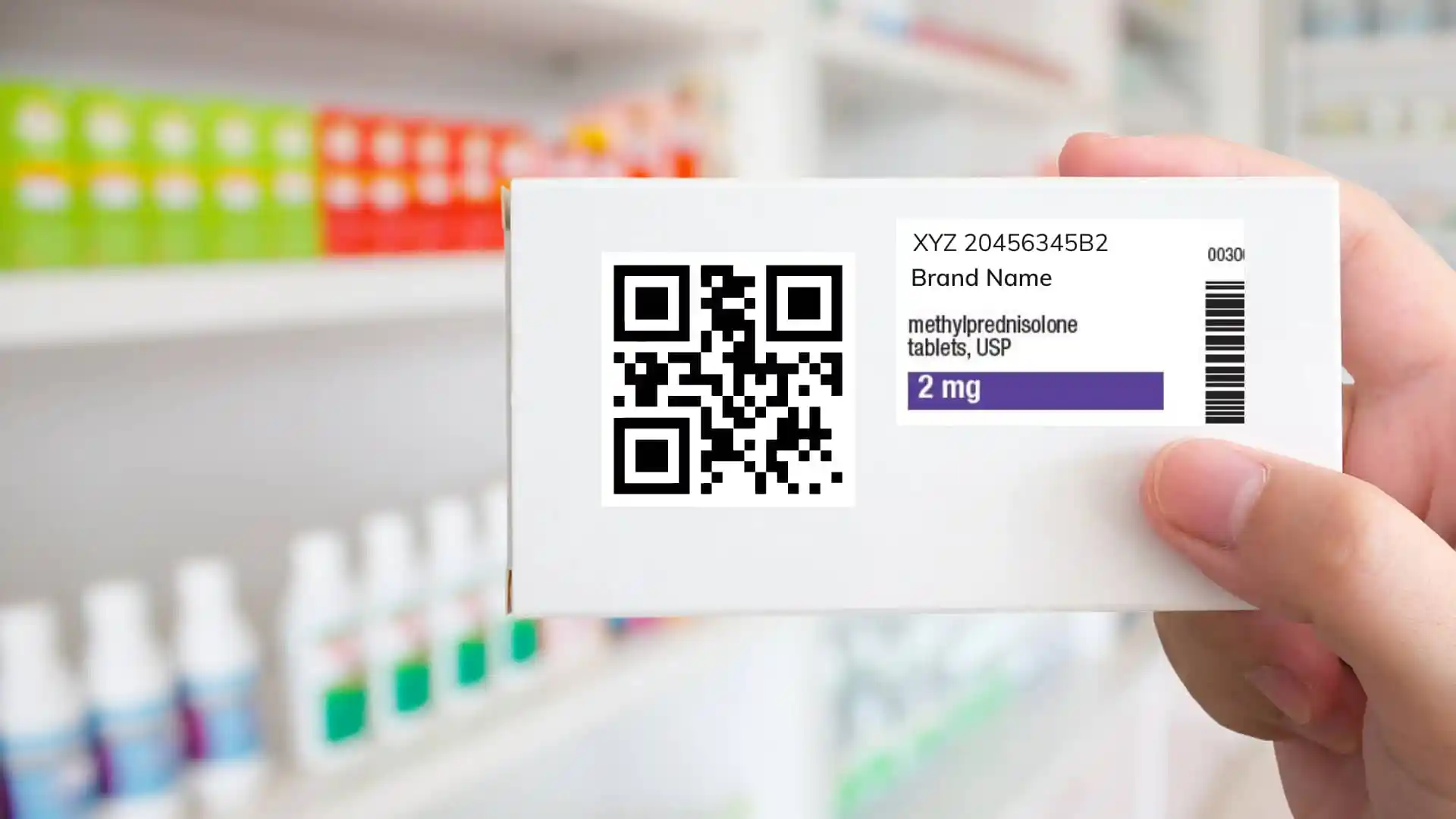
QR Code Medicines are now becoming an important part of India’s healthcare system as the government has expanded digital tracking for important drugs. On 25 June 2026, the Ministry of Health and Family Welfare updated the Drugs Rules, 1945 to include more medicines under QR-based traceability.
Thank you for reading this post, don't forget to subscribe!This move focuses on improving safety, reducing fake medicines, and helping people verify the drugs they use. It also reflects how digital tools are being used more in healthcare to build trust and transparency.
What QR Code Traceability Means
QR code traceability is a system where each medicine pack carries a code that can be scanned using a smartphone. This code stores detailed information about the product.
It can include the generic name, brand name, manufacturer details, batch number, manufacturing date, and expiry date. It may also show the licence number of the company that produced the medicine.
This allows consumers, pharmacists, and regulators to quickly check whether a medicine is genuine. It also helps track the movement of drugs across the supply chain.
Medicines Covered Under New Rule
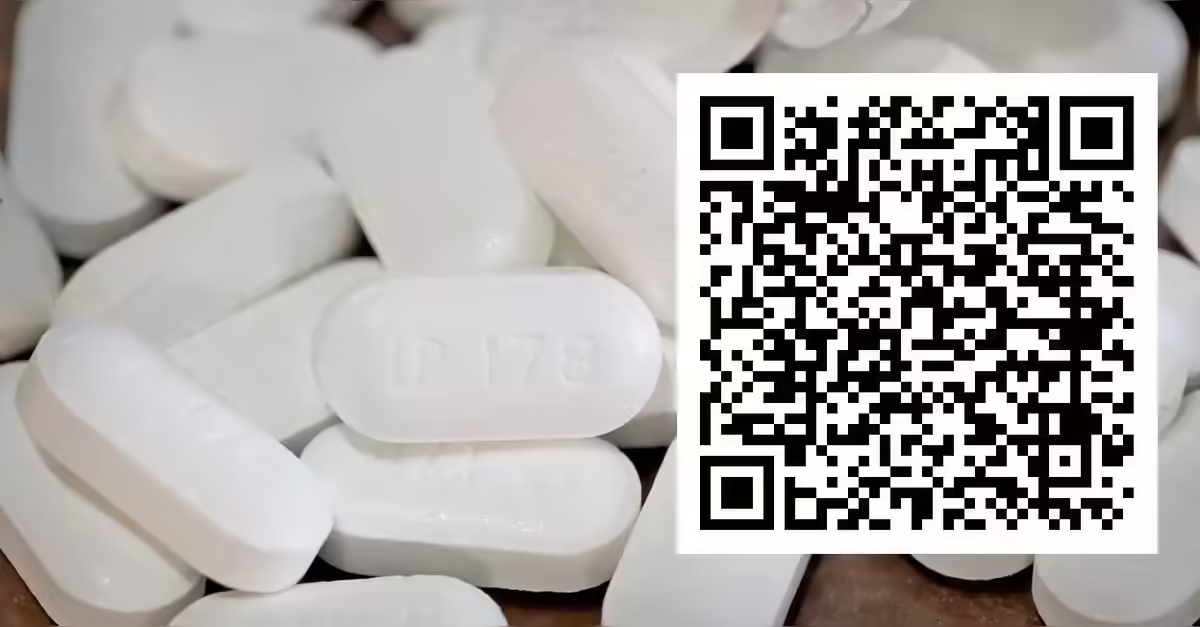
The updated QR Code Medicines rule now applies to several important categories of drugs. These include vaccines, anti-cancer medicines, antimicrobials like antibiotics, and controlled substances such as narcotic and psychotropic drugs.
Earlier, only the top 300 pharmaceutical brands were required to use QR codes. Now, the coverage has expanded to include a much wider range of essential medicines.
These drugs are placed under Schedule H2, which focuses on medicines that need careful monitoring and proper labelling.
How the New System Will Work
Manufacturers will need to print or attach QR codes on medicine packaging. If there is not enough space on the primary pack, the code can be placed on the secondary packaging.
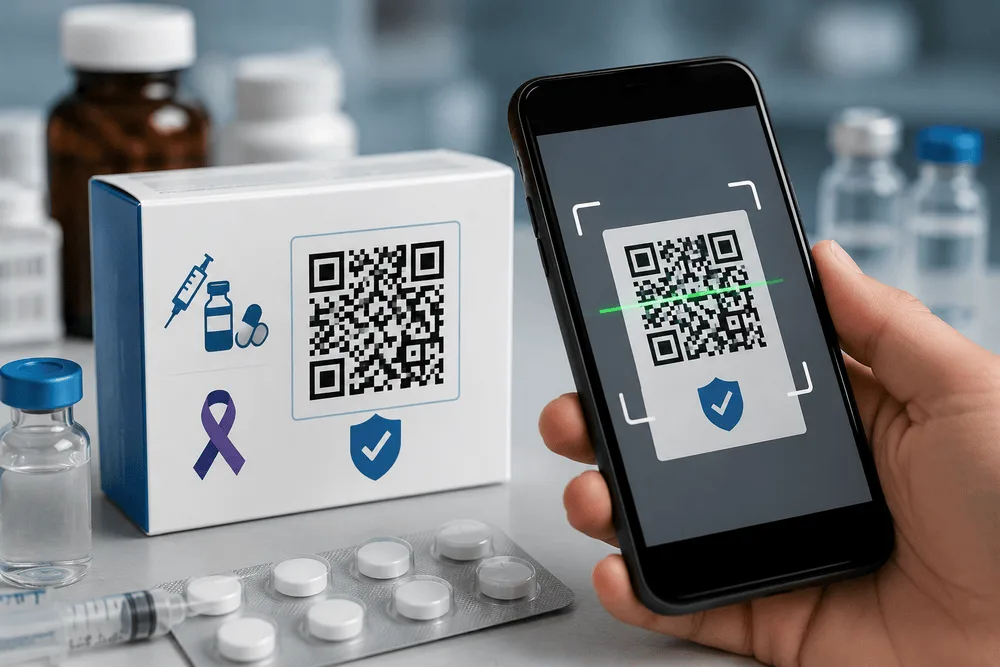
When scanned, the QR code will provide all necessary product details instantly. This helps users confirm whether the medicine is safe and authentic.
The system is designed to be easy to use so that even regular consumers can benefit from it without technical knowledge.
Timeline for Implementation
The rollout of QR Code Medicines will happen in phases. For vaccines, anti-cancer drugs, narcotic drugs, and psychotropic medicines, the rule will apply from 1 July 2027.
For antimicrobials, including antibiotics, the requirement will come into effect from 1 July 2028. This phased approach gives manufacturers time to adjust their systems and packaging processes.
It also allows authorities to monitor the implementation step by step and address any challenges.
Link to Current Health Concerns
One of the key reasons for expanding QR Code Medicines is the growing concern over fake and low-quality drugs. This is especially important in the case of antibiotics, where misuse can lead to serious health issues.
The rise of Antimicrobial Resistance is a global concern. When antibiotics are not genuine or are used incorrectly, bacteria can become resistant, making infections harder to treat.
By tracking these medicines more closely, the government aims to reduce such risks and improve overall public health.
Benefits for Consumers and Pharmacists
For consumers, QR Code Medicines provide a simple way to verify what they are buying. A quick scan can confirm if the product is genuine and safe to use.
Pharmacists can also use this system to manage inventory better and ensure that only approved medicines are sold. It adds an extra layer of accountability in the supply chain.
This transparency can help build trust between patients, healthcare providers, and pharmaceutical companies.
Role of Digital Health Systems
The introduction of QR codes in medicines is part of a larger trend towards digital health systems. Technology is being used to improve everything from hospital records to drug monitoring.
With smartphones becoming common, tools like QR codes are easy to use and widely accessible. This makes them effective for large-scale implementation.
The system can also help regulators track medicines in real time and respond quickly if any issue is detected.
Impact on Pharmaceutical Industry
For manufacturers, the QR Code Medicines rule means updating packaging systems and maintaining detailed digital records. While this may increase initial costs, it also improves quality control and brand trust.
Companies that follow these rules can benefit from better reputation and customer confidence. It also helps them compete in global markets where traceability is becoming a standard requirement.
The move encourages the industry to adopt modern technologies and improve overall standards.
Growing Focus on Drug Safety
The expansion of QR Code Medicines shows a strong focus on drug safety in India. With increasing demand for medicines and rising health awareness, ensuring quality has become more important than ever.
This step also aligns with global efforts to make healthcare systems more transparent and reliable. As new challenges emerge, such measures can help protect people and improve outcomes.