

NASA Mars Simulation Ends After 378 Days

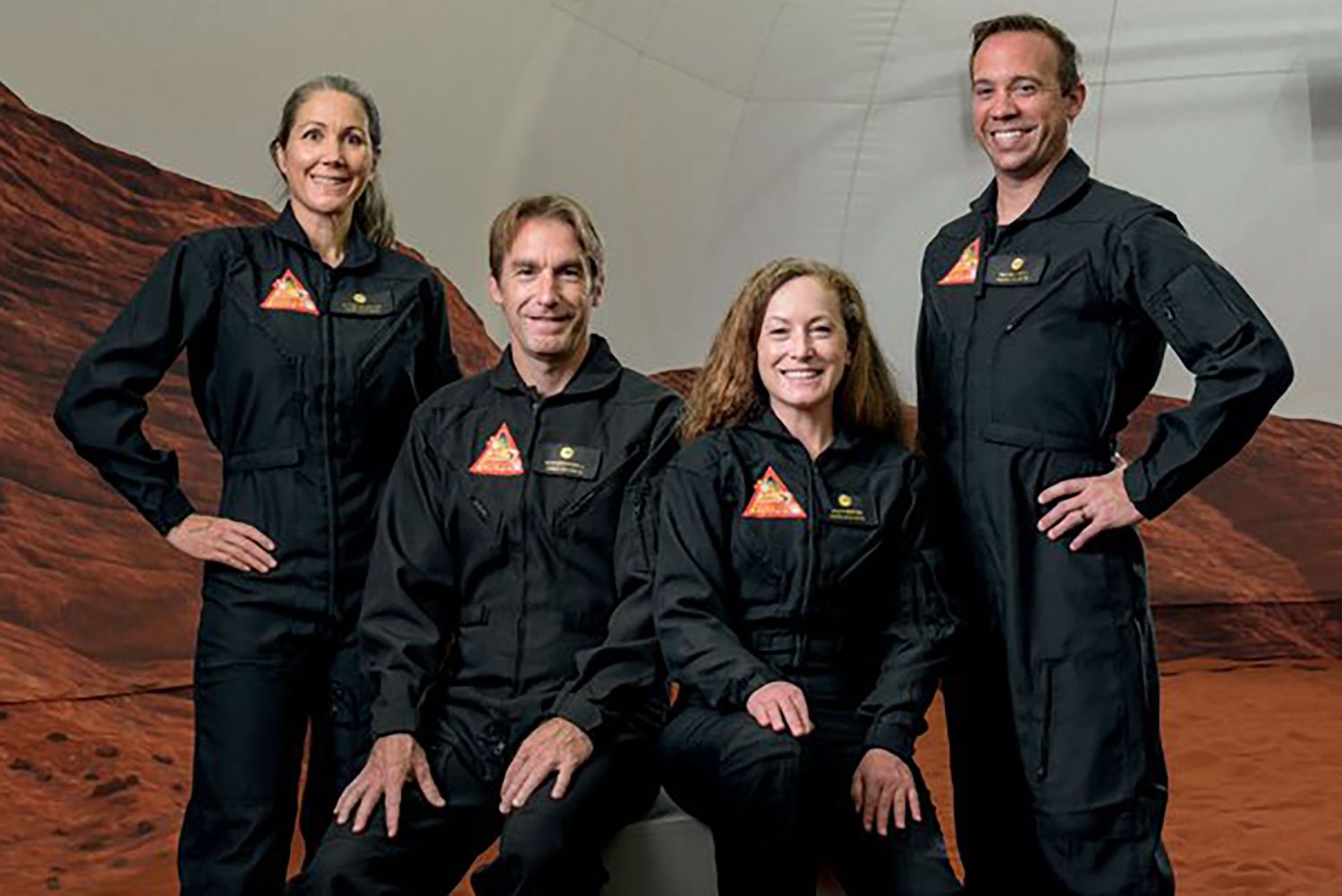
NASA Mars Simulation reached an important milestone on 31 October 2026, when a four-member crew completed a 378-day simulated Mars mission at NASA’s Johnson Space Center in Houston, Texas. The mission was part of the Crew Health and Performance Exploration Analog (CHAPEA) programme, which studies how people respond to the physical and mental challenges of living in conditions similar to those expected during a long journey to Mars.
The second CHAPEA mission began on 19 October 2025. During their stay, the crew lived in a specially designed habitat, managed limited resources and carried out activities that imitated aspects of life on Mars. The information collected will help NASA prepare for future human missions to the Moon and Mars.

NASA Crew Completes a 378-Day Mission
The four crew members emerged from the simulated habitat on 31 October 2026 after spending more than a year in isolation. Their mission was designed to help scientists understand how long periods away from Earth can affect human health, teamwork and performance.
The crew included Mission Commander Ross Elder, Medical Officer Ellen Ellis, Science Officer Matthew Montgomery and Flight Engineer James Spicer. Each member had responsibilities that reflected the different duties required during a real space mission.
Long-duration missions create challenges beyond the technical work of operating a spacecraft. Crew members must manage daily tasks, maintain their health, solve problems together and continue working effectively despite limited contact with people outside their habitat.
NASA studies these conditions on Earth before sending astronauts on more distant missions. The findings can help mission planners develop better procedures, living spaces and support systems for future crews.
What Is NASA’s CHAPEA Programme?
CHAPEA stands for Crew Health and Performance Exploration Analog. It is a NASA programme that uses ground-based simulations to study the challenges of living and working in an environment similar to a future Mars mission.
A journey to Mars would take astronauts far away from Earth and require them to spend a long period travelling, living and working in confined spaces. During their stay on the planet, they would also need to manage equipment, resources and daily activities with limited outside support.
CHAPEA allows researchers to study these challenges without sending people into space. Scientists can observe how participants respond to isolation, restricted resources, demanding tasks and communication delays.
The information collected can help NASA understand what astronauts may need to remain healthy, focused and productive during future exploration missions.
Life Inside the 3D-Printed Mars Habitat
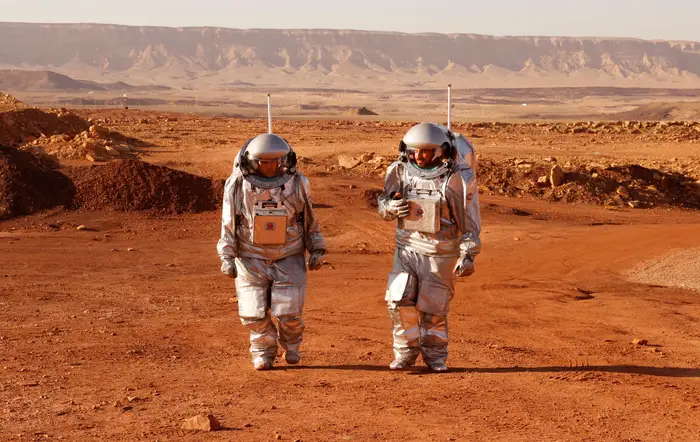
During the NASA Mars Simulation, the crew lived in a habitat measuring about 1,700 square feet, or 158 square metres. The structure was created using 3D-printing technology to represent a possible living environment for astronauts on Mars.
The crew had to maintain the habitat and complete daily activities while working with limited resources. Their tasks included growing crops, conducting simulated spacewalks and managing the equipment and living space.
Growing crops was an important part of the simulation because future Mars missions may need ways to produce some food locally. Carrying every supply from Earth would be difficult and expensive, so scientists are studying how astronauts could use available resources and controlled growing environments.
The simulated spacewalks also helped recreate some of the physical and operational tasks that astronauts might perform outside a habitat or spacecraft. These activities require planning, coordination and attention to safety.
Isolation and Communication Delays
One of the main challenges of a Mars mission is the distance between Earth and the spacecraft or crew on the planet. Communication signals between Mars and Earth take time to travel, so conversations cannot always happen in real time.
Depending on the planets’ positions, a radio signal can take roughly 3 to 22 minutes to travel one way between Earth and Mars. This delay means a question and its reply may take several minutes or longer to complete.
During a real mission, astronauts would need to handle many problems without immediate guidance from mission control. They would have to rely on their training, follow established procedures and make decisions when necessary.
The CHAPEA simulation included communication delays to help researchers study how crews manage tasks when immediate support from Earth is unavailable.
Isolation is another important concern. Spending a long time with the same small group can affect mood, motivation and teamwork. NASA can use the observations from the mission to improve crew selection, training and methods for maintaining mental well-being.
Studying Human Health and Performance
The main purpose of the NASA Mars Simulation was to collect information about human health and performance during long-duration missions. Researchers are interested in how people cope with confined living spaces, demanding work schedules, limited supplies and reduced contact with the outside world.
Crew members on future Mars missions may need to manage medical problems while far from hospitals and specialists on Earth. Studying the health and behaviour of participants in simulated missions can help NASA plan medical support and daily routines.
Researchers can also use mission observations to understand how fatigue, stress and group interactions affect work. Maintaining good communication and cooperation will be important when astronauts must live and work together for long periods.
After leaving the habitat, the four crew members are scheduled to take part in two weeks of medical evaluations, scientific assessments and discussions with NASA researchers. These activities will help scientists review the mission and analyse the information collected.
NASA Plans for Future Moon and Mars Missions
Vanessa Wyche, director of NASA’s Johnson Space Center, welcomed the crew after the mission. She said that the lessons learned would support planning for future missions to the Moon and Mars.
NASA is working towards sending humans on more ambitious exploration missions. Future lunar missions can help develop technologies and operating methods that may also be useful for Mars exploration.
A Mars mission will require systems that support astronauts for a much longer period than many current space missions. These systems may include reliable life support, food production, radiation protection, medical care and ways to maintain equipment far from Earth.
Ground-based simulations such as CHAPEA allow NASA to study some of these challenges before astronauts face them in space.
Second CHAPEA Mission Completed
The mission that ended on 31 October 2026 was the second completed mission under the CHAPEA programme. The first four-person crew completed a similar 378-day isolation mission at Johnson Space Center between 2023 and 2024.
Running multiple simulations gives researchers opportunities to compare experiences and identify patterns. Each mission can provide further information about the practical challenges of living in a confined environment over an extended period.
The completion of CHAPEA Mission 2 adds to NASA’s research into the human side of space exploration. By studying health, teamwork, resource management and isolation on Earth, the agency can better prepare astronauts for the difficult conditions expected during future journeys to Mars.