


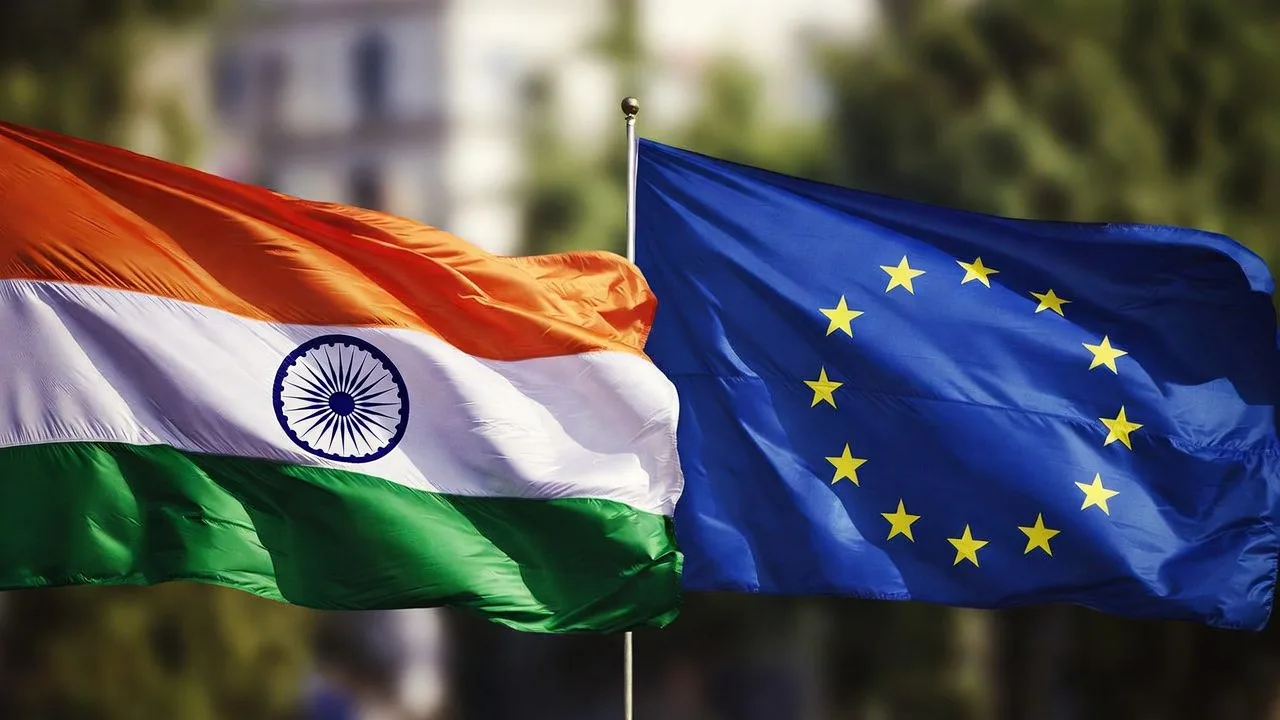
India EU Human Rights Dialogue

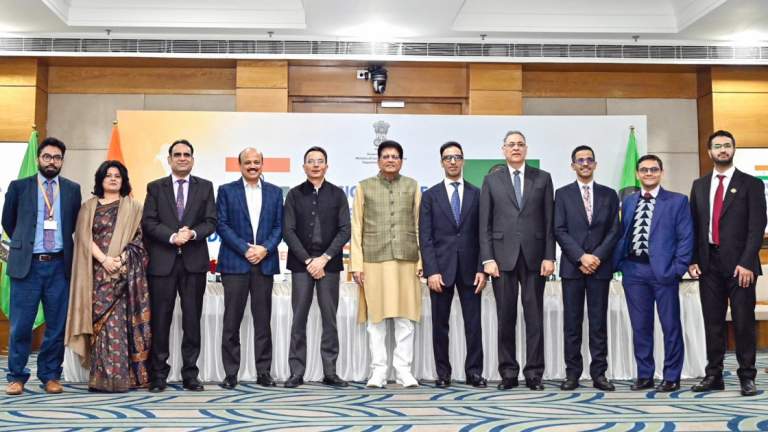
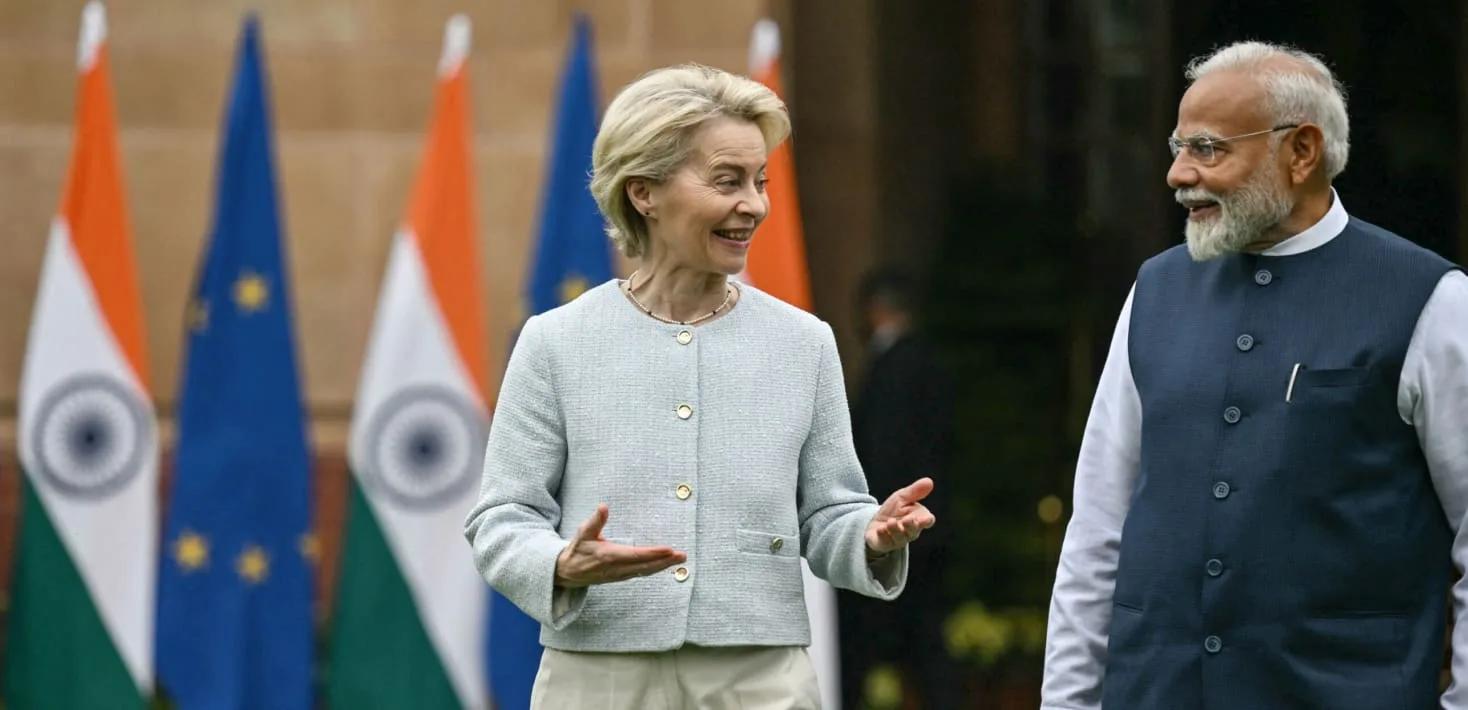
India EU Human Rights is at the centre of ongoing global discussions as India and the European Union held their 12th round of dialogue in New Delhi on 24 June 2026. This meeting reflects how both sides are working together on shared values like dignity, equality, and freedom in a rapidly changing world.
Thank you for reading this post, don't forget to subscribe!The dialogue was jointly led by Piyush Srivastava from the Ministry of External Affairs and Hervé Delphin. It created a platform for open discussion on various human rights issues that are shaping societies today.
Understanding the India-EU Human Rights Framework
The India EU Human Rights Dialogue is a regular platform where both sides talk about important social and political issues. It covers a wide range of topics, including civil rights, economic rights, and cultural rights.
These discussions are not limited to policies but also focus on real-life challenges such as discrimination, migration, and freedom of expression. As global issues become more connected, such dialogues help countries understand each other’s perspectives better.
The European Union, represented by European Union, often brings its global human rights approach, while India shares its own democratic and diverse social framework.
Focus on Gender and Social Equality
One of the key areas discussed during the 2026 dialogue was gender equality. Both sides talked about the need to improve opportunities and safety for women in different parts of society.
Issues related to LGBTQI+ rights were also part of the discussion, showing how global conversations are becoming more inclusive. Protecting child rights was another important topic, especially in the context of education, safety, and health.
These discussions reflect current global trends where equality and inclusion are becoming central to policy-making and public debate.
Role of Civil Society and Media
Another major focus was the role of civil society organisations and journalists. Both India and the European Union highlighted the importance of having a free and independent environment where people can express their views.
Freedom of association and peaceful assembly were also discussed as key elements of a democratic society. These rights allow people to come together, share ideas, and raise concerns.
In today’s digital age, the role of media and online platforms has become even more important, making such discussions highly relevant.
Link with Artificial Intelligence and Technology
A unique aspect of this year’s India EU Human Rights Dialogue was its connection with technology, especially Artificial Intelligence. Both sides supported the idea of building trustworthy and human-centric AI systems.
This topic was linked to the AI Impact Summit 2026, where global leaders are discussing how AI can be developed responsibly.
As AI becomes more common in everyday life, questions about privacy, fairness, and accountability are becoming more important. This makes human rights discussions more relevant in the digital world.
Shared Global Commitments
India and the European Union also talked about their shared commitment to global human rights standards. While the EU strongly opposes capital punishment, India highlighted its focus on the Right to Development as an important principle.
These differences and similarities are part of a healthy dialogue where both sides can learn from each other. It also shows how international partnerships can help address complex global challenges.
Connection with Broader India-EU Relations
The human rights dialogue is part of a larger relationship between India and the European Union. Earlier in January 2026, both sides met for the 16th India-EU Summit in New Delhi.
During that meeting, democracy, human rights, and the rule of law were highlighted as shared values. The ongoing dialogue builds on that foundation and keeps the conversation active.
This partnership also includes cooperation in trade, climate change, and technology, making it one of the most important global relationships today.
Why This Dialogue Matters Today
The India EU Human Rights Dialogue comes at a time when the world is facing many challenges, including conflicts, migration issues, and rapid technological changes.
By discussing these topics regularly, both sides aim to find balanced and practical solutions. It also helps create awareness and encourages cooperation at different levels.
Such dialogues are important not just for governments but also for people, as they influence policies that affect daily life.
Looking Ahead to Future Engagements
The next round of the India EU Human Rights Dialogue is expected to take place in 2027. With new challenges emerging every year, these discussions will continue to evolve.
Future meetings may include more focus on digital rights, climate justice, and global inequality. As the world becomes more connected, cooperation between countries like India and the European Union will remain important.