



Ladakh Organic Farming Milestone

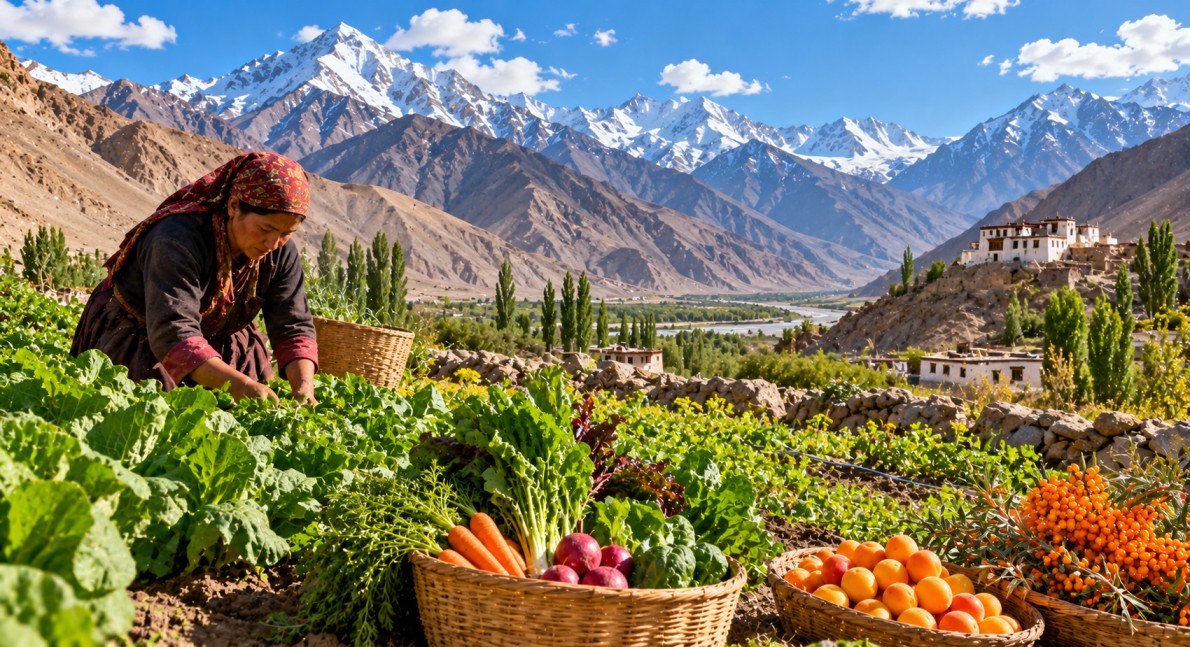
Ladakh Organic farming reached a major milestone on 25 October 2026, when Lieutenant Governor Vinai Kumar Saxena declared Ladakh India’s first fully organic Union Territory. The declaration followed a phased effort across Leh and Kargil districts to stop the use of synthetic fertilisers, chemical pesticides and harmful soil additives in agriculture. The initiative aims to support sustainable farming, protect the region’s fragile environment and improve opportunities for local farmers.
Ladakh Becomes India’s First Fully Organic Union Territory
Ladakh is a high-altitude region in the Trans-Himalayan area, known for its cold desert climate, mountain landscapes and limited water resources. Farming in this region faces several challenges, including short growing seasons, low temperatures and difficult soil conditions.

The move towards organic agriculture is intended to reduce reliance on synthetic agricultural chemicals and encourage farming practices suited to the local environment. Ladakh’s main organic products include apricots, sea buckthorn, buckwheat, barley and vegetables.
The declaration covers both Leh and Kargil districts. It represents an important step in the region’s effort to develop agriculture while protecting its natural resources.
How Ladakh Started Its Organic Farming Initiative
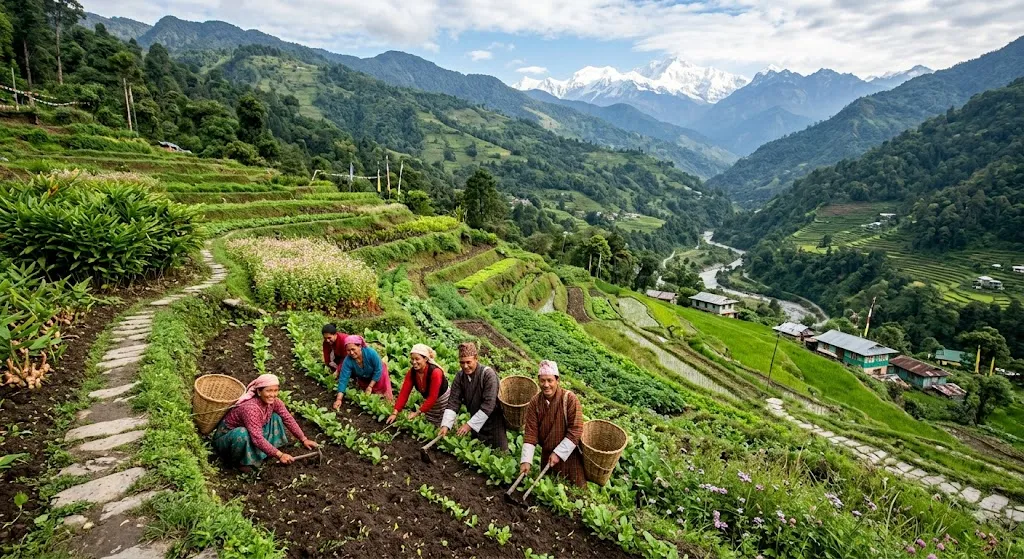
Ladakh’s organic farming programme developed over several years. In July 2021, a three-party Memorandum of Understanding was signed with the Sikkim State Organic Certification Agency under the Mission Organic Development Initiative. The agreement set a target of making Ladakh a certified organic Union Territory by 2025.
Sikkim became India’s first fully organic state in 2016 after shifting its agricultural practices towards organic production. Its experience provided a model for other regions interested in reducing the use of synthetic farm chemicals.
In Ladakh, the transition required changes in farming practices, access to suitable organic inputs and a certification process. Farmers needed support to understand the requirements and maintain the standards needed for organic certification.
Ban on Chemical Fertilisers in Ladakh
In July 2026, the Lieutenant Governor ordered a complete prohibition on the procurement, distribution, sale, marketing and agricultural use of chemical and synthetic fertilisers across Ladakh.
Before the sowing season in March 2026, consignments of organic fertilisers were distributed to villages to support farmers during the transition. This step aimed to improve access to alternatives as the region moved away from synthetic fertilisers.
By 27 July 2026, 207 villages had received organic certification. This included 102 villages across Kargil, Dras, Zanskar and Sham that were certified on that date.
The fertiliser prohibition and organic certification are related parts of the wider initiative, but they are not the same process. Certification involves meeting defined organic production standards, while the prohibition concerns the use and supply of specified agricultural chemicals.
What Are the Benefits of Organic Farming?
Organic farming avoids synthetic fertilisers and pesticides and uses approved methods to manage soil fertility and pests. Depending on how it is practised, it can help improve soil health, support biodiversity and reduce the risk of certain chemical pollutants entering the environment.
For Ladakh, these methods are especially relevant because the region has a fragile ecosystem and limited agricultural land. Responsible farming practices may help protect soil and water resources while supporting local food production.
Organic farming can also create opportunities for farmers to market products such as apricots, buckwheat, barley and sea buckthorn. These crops are linked to Ladakh’s local farming traditions and could gain value through reliable certification, quality control and better market access.
However, organic farming also brings challenges. Farmers may face higher costs for approved inputs, difficulties in obtaining certification and uncertainty about crop yields during the transition. Long-term success will depend on training, affordable organic manure, effective certification services and access to buyers.
Understanding Organic Certification in India
India’s National Programme for Organic Production (NPOP) establishes standards for organic production, processing and certification. It also provides for the accreditation of certification bodies. The programme is administered by the Agricultural and Processed Food Products Export Development Authority (APEDA), under the Ministry of Commerce and Industry.
Organic certification helps verify that products have been produced according to the relevant standards. It can improve buyer confidence and support access to markets that require certified organic goods.
Farmers in Ladakh have raised concerns about the complexity of certification and the cost of imported organic manure. Addressing these issues is important if the transition is to benefit small farmers as well as larger producers.
What Ladakh’s Organic Status Means for Local Communities
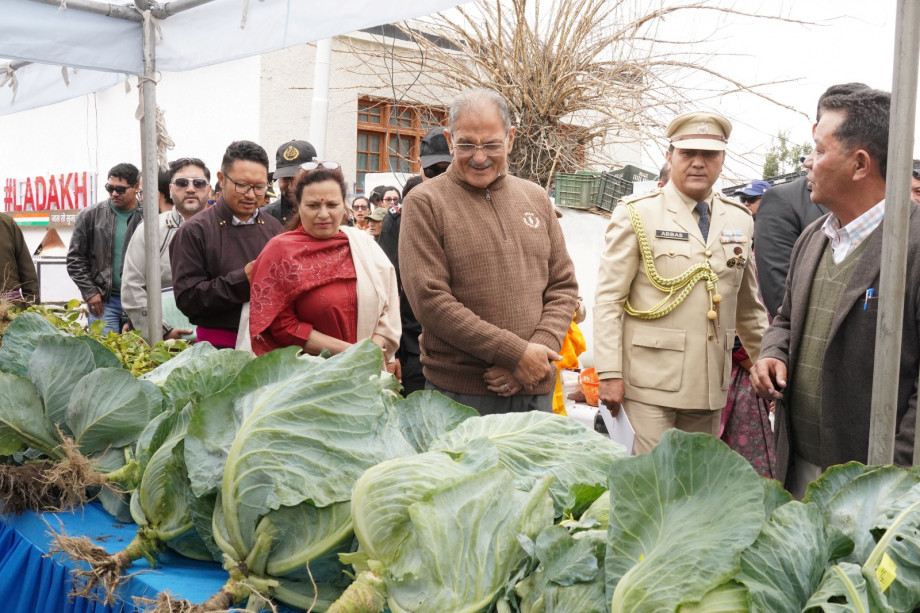
Ladakh’s organic farming initiative connects agriculture with environmental protection and local livelihoods. By reducing dependence on synthetic agricultural chemicals and encouraging organic methods, the region aims to build a farming system suited to its high-altitude conditions.
The next stage will depend on consistent implementation, farmer support and reliable monitoring of organic standards. Better storage, transport and market connections could also help local producers sell their goods at fair prices.
If these efforts continue successfully, Ladakh’s experience could offer useful lessons for other regions seeking to expand organic agriculture while protecting sensitive ecosystems.