Dornier 228 Deal Signed To Boost India’s Maritime Strength

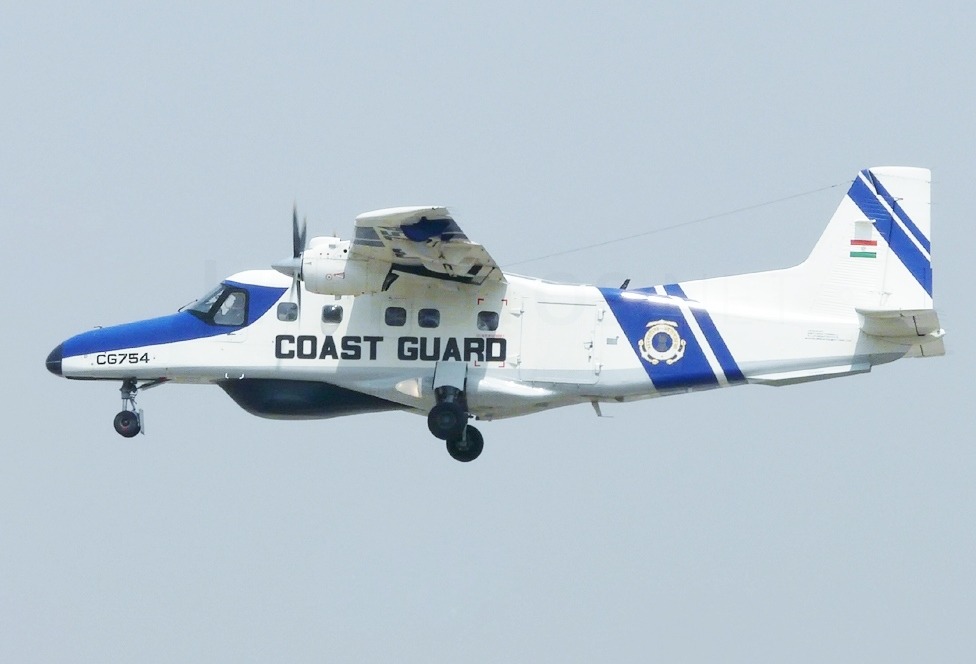
Dornier 228 Deal has been signed by the Ministry of Defence with Hindustan Aeronautics Limited (HAL) for Rs 2,312 crore to supply eight Dornier 228 aircraft to the Indian Coast Guard. The agreement was finalised in the presence of Defence Secretary Rajesh Kumar Singh, highlighting the government’s continued focus on strengthening coastal security.
Thank you for reading this post, don't forget to subscribe!This new contract is part of India’s broader plan to improve maritime surveillance and boost indigenous defence manufacturing. The aircraft will be built in India under the “Buy (Indian)” category, which gives priority to domestic companies.
Dornier 228 Deal For Eight Aircraft
Under the Dornier 228 Deal, HAL will deliver eight aircraft equipped with advanced operational systems designed specifically for the needs of the Indian Coast Guard. These aircraft will be used for coastal surveillance, maritime patrol, search-and-rescue missions, and monitoring activities across India’s vast coastline.
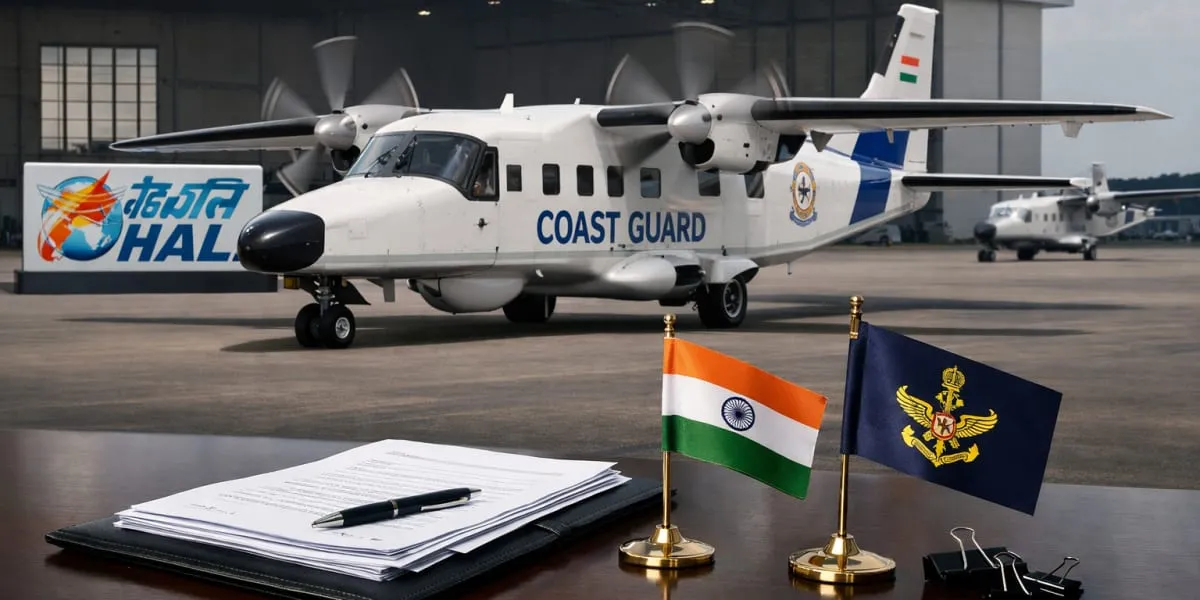
India has a long coastline of over 7,500 kilometres and a large Exclusive Economic Zone (EEZ). Monitoring such a wide sea area requires strong air and sea support. The addition of eight Dornier 228 aircraft will increase the Coast Guard’s ability to respond quickly to emergencies and suspicious activities.
The Dornier 228 is known for its short take-off and landing capability. This feature allows it to operate from smaller airstrips, which is useful for coastal and island regions. It is a twin-turboprop aircraft and has been widely used in India for many years.
Strengthening Maritime Surveillance
India’s maritime security has become more important in recent years. With growing trade in the Indian Ocean region and increasing shipping traffic, constant monitoring is necessary. The Indian Coast Guard plays a key role in keeping sea routes safe.
The Dornier 228 aircraft will help in:
- Detecting illegal fishing
- Preventing smuggling and piracy
- Conducting rescue operations during disasters
- Monitoring environmental pollution
- Protecting offshore assets
In recent times, issues such as illegal activities at sea, climate-related disasters, and rising tensions in some global regions have increased the need for strong coastal defence. The new aircraft will improve India’s maritime domain awareness and help authorities track movements in the sea more effectively.
Push For Aatmanirbhar Bharat
The Dornier 228 Deal also supports the government’s Aatmanirbhar Bharat initiative. This program focuses on making India self-reliant in key sectors, including defence production. By choosing HAL, a government-owned aerospace company, the Ministry of Defence is promoting domestic manufacturing instead of importing aircraft from abroad.
The deal also aligns with the Make in India campaign. These initiatives aim to develop India as a global manufacturing hub and reduce dependence on foreign suppliers. Defence production is one of the major areas where India wants to achieve self-sufficiency.
HAL has been a major player in India’s aerospace sector for decades. The company designs, develops, and manufactures aircraft, helicopters, and related systems. Producing the Dornier 228 in India ensures that technology, skills, and jobs remain within the country.
Economic And Employment Benefits
Large defence contracts like the Dornier 228 Deal have economic benefits beyond security. Officials have stated that this agreement will create both direct and indirect employment opportunities.
HAL works with many micro, small, and medium enterprises (MSMEs) and ancillary industries across India. These smaller companies supply parts, components, and technical services. As a result, the deal will strengthen the domestic supply chain.
The aerospace manufacturing ecosystem in India has been expanding in recent years. With increasing investments in defence and aviation, more skilled workers are being trained in engineering, design, and production.
This growth also supports India’s goal of becoming a major exporter of defence equipment in the future.
Role Of The Indian Coast Guard
The Indian Coast Guard operates under the Ministry of Defence and is responsible for maritime law enforcement and coastal security. It plays a vital role in protecting India’s maritime interests.
The Coast Guard’s duties include:
- Guarding sea borders
- Assisting ships in distress
- Responding to oil spills
- Supporting disaster relief operations
- Ensuring safety of fishermen
In recent years, the Coast Guard has been actively involved in rescue missions during cyclones and floods. With climate change increasing the frequency of extreme weather events, the need for fast-response aircraft has grown.
The Dornier 228 aircraft are well suited for such missions because of their flexibility and reliability.
Maritime Security In Current Times
Global maritime routes are becoming increasingly important due to rising international trade and energy transport. The Indian Ocean region is one of the busiest sea lanes in the world.
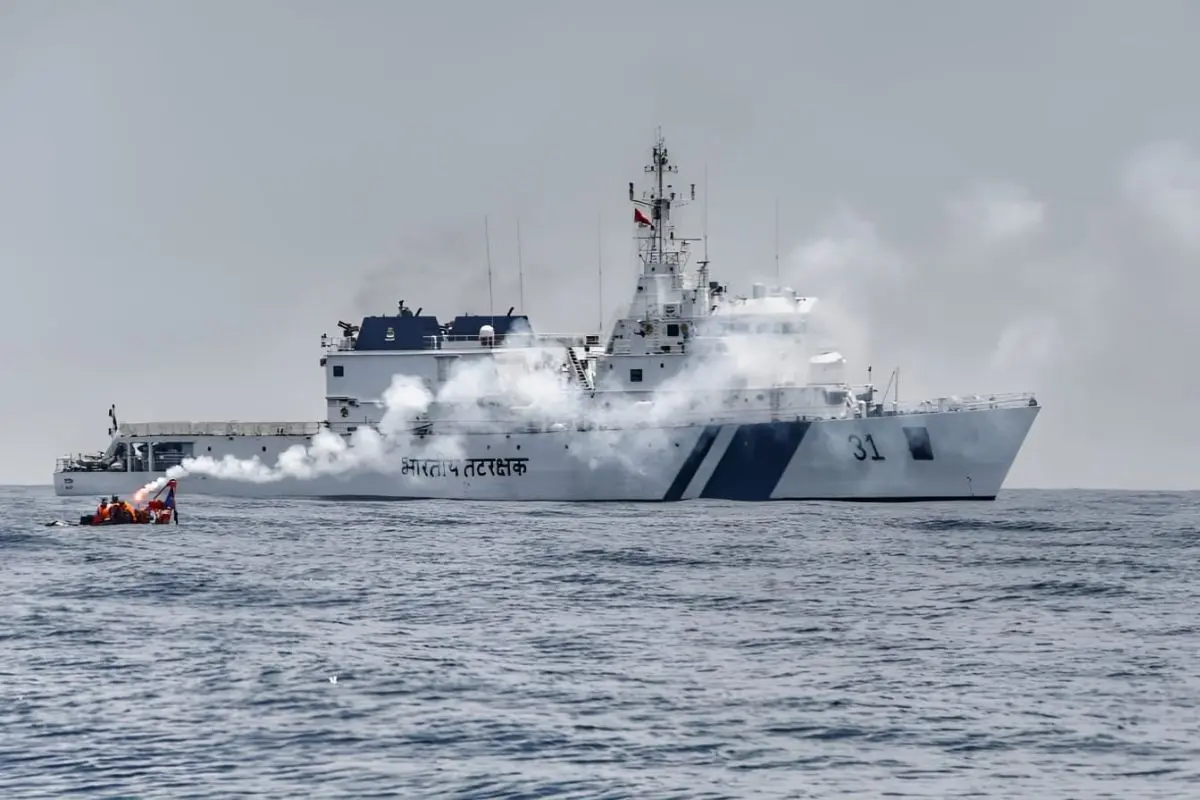
India’s location gives it a strategic advantage, but it also requires strong monitoring systems. Coastal security gained even more attention after past security incidents that exposed gaps in surveillance.
The government has since invested in radar networks, patrol vessels, and aircraft to strengthen coastal protection. The Dornier 228 Deal is part of this broader strategy.
With technology playing a bigger role in defence, modern aircraft are equipped with advanced sensors and communication systems. These systems allow real-time sharing of information between aircraft, ships, and command centres.
Indigenous Defence Manufacturing Growth
India has been steadily increasing its defence production capacity. Over the past few years, the government has introduced policies encouraging domestic companies to participate in defence contracts.
The “Buy (Indian)” category ensures that procurement prioritises locally manufactured products. This helps reduce foreign exchange spending and builds local expertise.
HAL’s production of the Dornier 228 aircraft showcases India’s growing ability to design and manufacture complex aviation systems. The company has upgraded the aircraft over time to include modern avionics and surveillance equipment.
The success of such projects builds confidence in India’s defence industry and encourages further innovation.
Strategic Importance Of The Deal
The Dornier 228 Deal comes at a time when maritime security remains a global concern. Regional developments, increased naval presence by different countries, and rising trade activity in the Indo-Pacific region highlight the importance of strong coastal defence.
By expanding the Coast Guard’s aerial fleet, India is sending a clear message about its commitment to safeguarding its maritime boundaries.
The aircraft will not only monitor coastal areas but also support humanitarian missions and disaster response. This dual role makes them valuable assets for national security and public safety.
As India continues to modernise its armed forces and maritime agencies, deals like this reflect a balance between strategic needs and economic development. The focus remains on strengthening security while promoting domestic industry growth.