


Jaipur Best of the World 2027

Jaipur Best of the World 2027 is a major international recognition for India’s Pink City after National Geographic included Jaipur in its annual “Best of the World 2027” list. The list was released on 20 October 2026 and features 25 destinations across six continents. Jaipur, the capital of Rajasthan, has been selected as the city prepares to mark 300 years since its foundation in 2027.
The selection highlights Jaipur’s historic buildings, cultural traditions, festivals and literary events. The city is known for its pink-coloured architecture, traditional markets, royal palaces and rich artistic heritage. Its 300th anniversary and major cultural celebrations are expected to bring further attention to its history and identity.

What Is National Geographic’s Best of the World List?
National Geographic’s “Best of the World” list highlights destinations that offer notable cultural, historical, natural or travel experiences. The selection may consider new attractions, cultural revivals, special celebrations and important milestones.
The 2027 list includes 25 destinations spread across six continents. Jaipur’s inclusion recognises the city’s historical importance and the cultural events planned around its 300th anniversary.
Such international recognition can introduce destinations to a wider audience. It can also encourage interest in local traditions, historic places, architecture and cultural activities.
Jaipur offers visitors a combination of heritage and modern city life. Its historic monuments stand alongside busy markets, restaurants, museums and cultural venues, making it an important centre of Rajasthan’s cultural identity.
Jaipur to Celebrate 300 Years in 2027
Jaipur was founded in 1727 by Sawai Jai Singh II, the ruler of Amber. The city was named after him and developed as a planned urban settlement.
The city’s layout was designed by Vidyadhar Bhattacharya. Unlike many older Indian cities that developed gradually over long periods, Jaipur was planned with an organised street network, broad roads and clearly arranged market areas.
The city was designed to support trade, administration and daily life. Its planned layout remains an important part of its historical character.
In 2027, Jaipur will mark 300 years since its foundation. The milestone provides an opportunity to highlight the city’s development, architectural heritage, traditional crafts and cultural contributions.
The anniversary is also one of the reasons Jaipur has attracted international attention through National Geographic’s 2027 list.
Jaipur’s Historic Walled City and UNESCO Recognition
Jaipur’s historic walled city was added to the UNESCO World Heritage List in 2019. Its planned layout, traditional markets, historic buildings and urban design contributed to its recognition.
The walled city reflects the architectural and planning ideas of the period in which Jaipur was established. Its streets and market areas were arranged to support commercial activity and organised urban life.
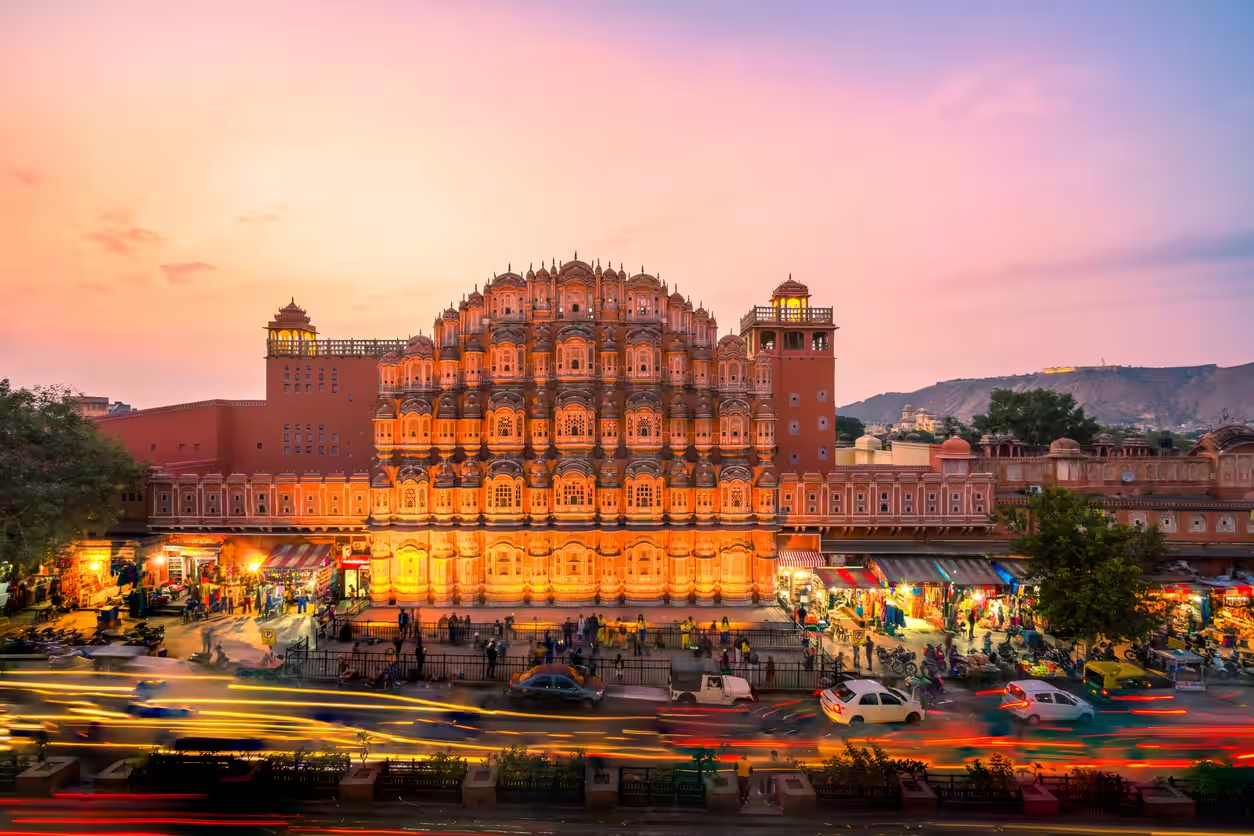
The city is also famous for its pink-coloured buildings, which have become a major part of its identity. These buildings, together with its gateways and historic streets, make Jaipur easily recognisable.
The UNESCO designation highlights the importance of protecting historic urban areas. Conservation helps preserve traditional architecture and allows future generations to understand how the city developed.
Famous Historical Places in Jaipur
Jaipur has several well-known monuments that reflect its royal history, architectural styles and scientific achievements.
City Palace
The City Palace is an important historical complex in the heart of Jaipur. It includes courtyards, buildings, museums and architectural features associated with the city’s former rulers.
The complex reflects a combination of Rajput and Mughal architectural influences. It also provides insight into the royal history and artistic traditions of Rajasthan.
Hawa Mahal
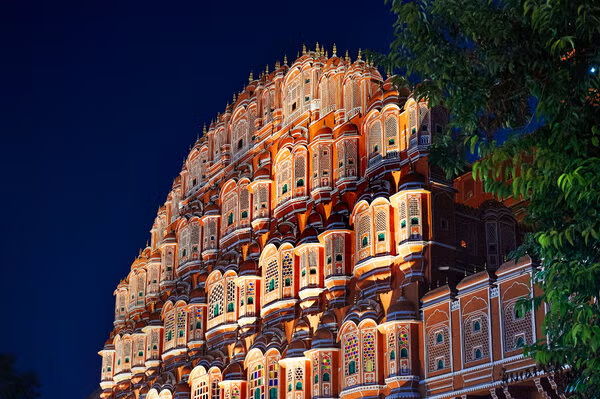
Hawa Mahal is one of Jaipur’s most recognised landmarks. Its distinctive pink façade contains numerous small windows and openings.
The building is known for its detailed design and honeycomb-like appearance. It has become one of the most familiar symbols of Jaipur and Rajasthan.
Jantar Mantar
Jaipur’s Jantar Mantar is a UNESCO World Heritage Site containing astronomical instruments built in the 18th century.
The observatory was established under Sawai Jai Singh II’s interest in astronomy and the measurement of celestial movements. Its instruments were designed to help observe astronomical positions and calculate time.
Jantar Mantar is especially important because it demonstrates how scientific knowledge and architectural design were brought together in historical India.
Jaipur Literature Festival 2027
The Jaipur Literature Festival is one of the city’s major cultural events. It brings together writers, poets, publishers, thinkers and readers for discussions, readings and other literary activities.
The festival’s 20th edition is scheduled for 14 to 18 January 2027. The event is expected to draw around 400,000 attendees, according to the supplied report, and is widely recognised as one of the world’s largest literary festivals.
The festival provides a platform for people to discuss literature, history, society, politics, science and contemporary issues. It also gives readers an opportunity to meet authors and discover works from different languages and cultures.
Its timing adds to Jaipur’s cultural calendar during the city’s 300th anniversary year. The event may attract attention from visitors interested in literature as well as the city’s wider historical and cultural attractions.
Kite Festival and Gangaur Celebrations
Jaipur’s cultural calendar includes traditional festivals that reflect the customs and beliefs of Rajasthan.
Kite Festival
The Kite Festival is celebrated around mid-January, near Makar Sankranti. Kite flying is an important part of the celebration, with people gathering on rooftops and in open spaces.
The festival adds colour and activity to Jaipur during the winter season. It is also associated with seasonal traditions and community participation.
Gangaur Festival
Gangaur is a major festival celebrated in Rajasthan, including Jaipur. It usually takes place during the Hindu month of Chaitra, which generally falls in March or April.
The festival is associated with Gauri, a form of the Hindu goddess Parvati. Celebrations may include worship, traditional clothing, processions and community events.
Gangaur reflects the religious and cultural traditions of Rajasthan and remains an important part of the state’s festive calendar.
Traditional Crafts and Artistic Heritage
Jaipur is known for its traditional crafts, which form an important part of its cultural identity. These crafts include block printing, blue pottery and meenakari.
Block printing involves creating designs on fabric using carved wooden blocks and dyes. The craft requires careful preparation and skill to produce repeated patterns.
Blue pottery is recognised for its distinctive blue designs and decorative forms. It is used to create items such as bowls, plates and ornamental objects.
Meenakari is the art of decorating metal surfaces with coloured enamel. It is often associated with jewellery and decorative work.
These crafts connect Jaipur’s present-day creative industries with older artistic traditions. Local artisans continue to produce traditional designs while also creating products for modern markets.
Why Jaipur’s Recognition Matters
Jaipur’s inclusion in National Geographic’s “Best of the World 2027” list brings international attention to its historic and cultural importance. The city’s 300th anniversary, UNESCO-recognised heritage and major cultural events make 2027 a significant year for Jaipur.
Its planned urban layout, historic monuments, traditional crafts and festivals offer different ways to understand Rajasthan’s history. Events such as the Jaipur Literature Festival also demonstrate how the city continues to support cultural discussions and creative activities.
The recognition places Jaipur among 25 destinations featured in the 2027 list. It also highlights the value of preserving historic places and supporting the traditions that connect communities with their past.