Open Unreserved Seats: Supreme Court Clarifies Merit-Based Access for All Citizens

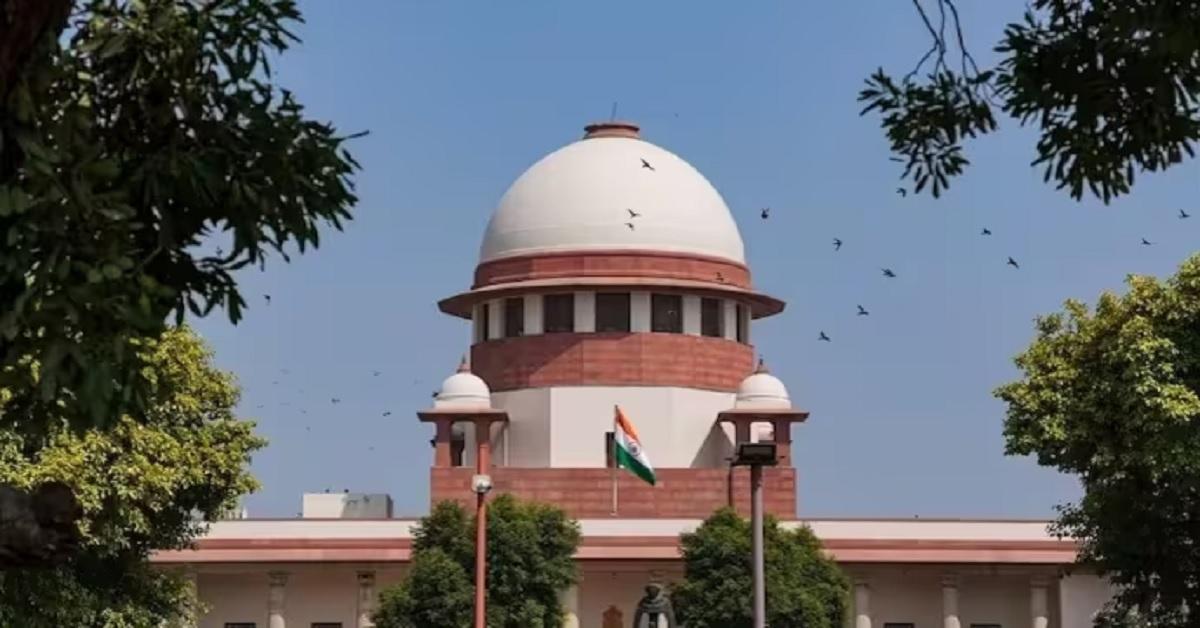
Open Unreserved Seats have once again become the centre of national discussion after a landmark ruling by the Supreme Court of India. In a decision that strengthens the idea of equality and fairness in public employment, the court clearly stated that unreserved or general category seats are open to all candidates purely on the basis of merit, regardless of their social category. This clarification settles long-standing confusion and brings much-needed consistency to recruitment practices across the country.
Thank you for reading this post, don't forget to subscribe!Supreme Court Reinforces the Meaning of Equality
The Supreme Court underlined that the Constitution does not allow discrimination once a candidate meets the required merit standards. According to the court, unreserved seats do not belong to any single social group. Instead, they form a common pool where every citizen has an equal chance, provided they qualify on merit without using special relaxations.
The Bench, consisting of Justice M. M. Sundresh and Justice Satish Chandra Sharma, stressed that equality under the Constitution is not about excluding anyone. It is about giving equal opportunity to all who meet the criteria laid down for a post. Denying meritorious candidates access to unreserved seats simply because they belong to a reserved category would go against this core principle.
Unreserved Category as a Merit-Based Pool
A key point made by the court was the definition of the unreserved category itself. The judges made it clear that unreserved seats are not a quota meant only for candidates from the general category. Instead, these seats are open to every applicant who qualifies based on the standard rules of selection.
If a candidate from a Scheduled Caste, Scheduled Tribe, or Other Backward Class background scores high enough without taking advantage of relaxations such as age limits, fee reductions, or lower cut-off marks, that candidate has every right to be counted under the unreserved category. This approach, the court said, protects both merit and fairness.
Understanding the Idea of Merit-Induced Shift
Justice Satish Chandra Sharma, who wrote the judgment, explained the idea of what is known as a merit-induced shift. This concept plays a crucial role in balancing reservation and merit.
A merit-induced shift happens when a candidate from a reserved category qualifies on the same terms as a general category candidate. In such cases, the candidate is treated as part of the unreserved pool. This does not reduce opportunities for others. Instead, it ensures that reserved seats are kept available for candidates from those categories who genuinely need the support of reservation benefits.
By following this approach, the system rewards hard work and ability while still preserving the purpose of reservation, which is to support social inclusion.
Background of the Legal Dispute
The ruling came from a case linked to a recruitment process carried out in 2013 by the Airports Authority of India. The recruitment was for Junior Assistant posts in the Fire Service department. During the selection, several unreserved vacancies were filled by candidates from reserved categories who had scored higher marks than others.
A candidate from the general category challenged this decision, arguing that unreserved seats should be filled only by general category applicants. In 2020, the Kerala High Court accepted this argument and ruled in favour of the challenger. This decision created uncertainty and raised questions about how unreserved seats should be filled.
The Supreme Court reviewed the matter and overturned the High Court’s ruling. It held that the earlier decision did not align with constitutional principles of equality and fairness.
Why the Supreme Court Set Aside the High Court Ruling
The Supreme Court observed that excluding reserved category candidates from unreserved seats, despite their merit, would create artificial barriers. Such an approach would divide candidates based on social identity rather than ability.
The court noted that the Constitution promotes equal opportunity, not equal outcomes based on category. By allowing meritorious reserved category candidates to compete for and occupy unreserved seats, the system remains true to its foundational values.
Impact of Open Unreserved Seats on Public Recruitment Across India
This judgment is expected to have a wide impact on public recruitment processes at both central and state levels. For years, recruitment agencies have faced confusion due to differing court interpretations. This clear and firm ruling now offers guidance that can be applied uniformly.
Recruitment bodies can confidently follow a merit-first approach while still respecting reservation policies. This balance ensures that public employment remains inclusive without compromising standards.
Strengthening Trust in the Recruitment System Through Open Unreserved Seats
One of the most important outcomes of this ruling is the trust it builds in the recruitment system. Candidates can now be assured that selection is based on ability and performance. At the same time, those who rely on reservation benefits will continue to have protected opportunities.
The judgment sends a strong message that merit and social justice are not opposing ideas. Instead, they can work together to create a fair and efficient system.
A Clear Message for the Future on Open Unreserved Seats
By reaffirming that unreserved seats are open to all on merit, the Supreme Court has removed ambiguity and reinforced constitutional values. The ruling highlights that equality means giving everyone a fair chance, not limiting opportunity based on labels.
As public institutions implement this guidance, the focus is likely to shift toward transparency, fairness, and confidence in the recruitment process. This decision stands as a reminder that the spirit of the Constitution lies in inclusion, balance, and equal respect for every citizen.