SatNet LEO Satellites

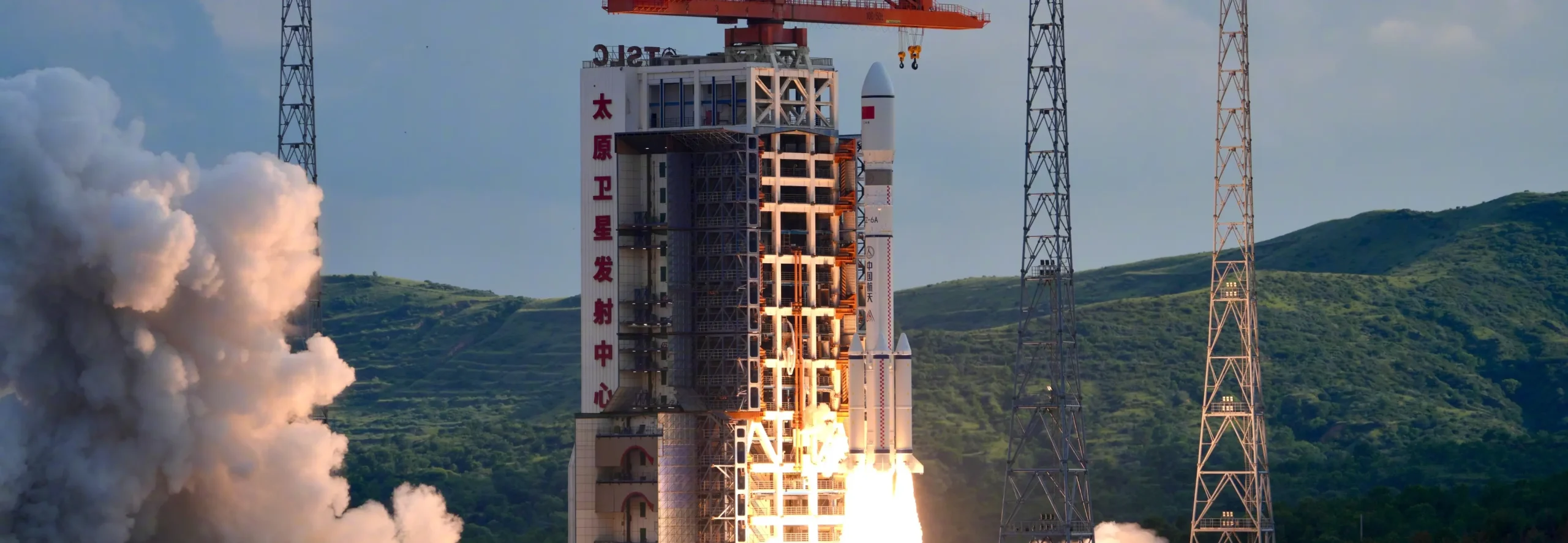
SatNet LEO satellites were launched by China on August 16, 2026, as the country continued to expand its low-Earth orbit internet constellation. The mission carried the 24th batch of satellites in the programme from the Wenchang Space Launch Site in Hainan Province, southern China. The spacecraft were launched using a Long March-12 carrier rocket and were placed into their planned orbits after liftoff.
Thank you for reading this post, don't forget to subscribe!The launch is part of China’s wider effort to develop a large satellite network that can provide internet connectivity from space. Similar low-Earth orbit satellite systems are being developed around the world as countries and private companies seek faster and wider satellite-based communication services.
24th Batch of SatNet Satellites SatNet LEO Satellites
The latest spacecraft are identified as SatNet LEO Group 24. The satellites were launched during the Y8 mission of the Long March-12 rocket. The launch took place at 12:10 p.m. Beijing Time, which was 04:10 UTC.
Launching satellites in batches allows operators to gradually build a large constellation. Instead of depending on a single spacecraft, satellite internet networks use many satellites working together. As more satellites are added, the network can potentially provide wider coverage and greater capacity.
China has been developing its own low-orbit satellite internet system as part of its broader space and digital connectivity strategy.

What Is Low-Earth Orbit?
Low-Earth orbit, commonly called LEO, is the region of space extending from roughly 160 kilometres to 2,000 kilometres above Earth. Satellites operating in this region move around Earth relatively quickly and can complete an orbit in around 90 to 120 minutes, depending on their altitude.
LEO is useful for communication satellites because spacecraft are much closer to Earth than satellites operating in geostationary orbit. This can reduce communication delays, also known as latency.
By comparison, a geostationary satellite operates at approximately 35,786 kilometres above the equator. Such satellites remain over nearly the same point on Earth, making them useful for many communication and broadcasting services, but their greater distance can result in higher signal delay.
Satellite Internet and Global ConnectivitySatNet LEO Satellites
Satellite internet constellations are designed to provide broadband connectivity from space. They can be particularly useful in areas where traditional fibre-optic networks or mobile towers are difficult or expensive to build.
Remote villages, islands, deserts, mountains and other areas with limited communication infrastructure could benefit from satellite-based services.
The development of large LEO constellations is also becoming an important part of the global space industry. Companies and governments are investing in satellite networks that can support internet access, communications, remote sensing and other applications.
China’s SatNet programme places the country among the major players developing large-scale satellite internet infrastructure.
Long March-12 Carries the Satellites SatNet LEO Satellites
The latest mission used the Long March-12, one of China’s newer launch vehicles. It belongs to the Long March family of rockets, which forms the backbone of China’s orbital launch programme.
The Long March series has been used for a wide variety of missions, including communications satellites, Earth-observation spacecraft, scientific payloads and other space infrastructure.
The ability to launch satellites in regular batches is important for building large constellations. A satellite internet network requires hundreds or potentially thousands of spacecraft to maintain coverage and capacity.
Wenchang Space Launch Site in Hainan
The launch took place from the Wenchang Space Launch Site in Hainan Province. Wenchang is one of China’s important launch locations and is particularly suitable for missions involving large rockets and spacecraft.
The site includes the Hainan Commercial Space Launch Center, which supports China’s growing commercial space-launch sector.
Its coastal location also provides an advantage for certain launches because rocket stages and other hardware can be directed over the sea. The location in southern China also offers geographical benefits for launches into some orbital trajectories.
China Continues Space Launch Activity
The latest SatNet launch came only a few days after another Chinese launch experienced a failure. On August 10, 2026, a Long March 7A rocket reportedly exploded during ascent.
Despite that setback, China’s space programme continued with the successful deployment of the SatNet LEO Group 24 spacecraft.
Frequent launches are becoming increasingly important as China works to expand its satellite infrastructure. Building a large constellation requires repeated missions because a single rocket generally cannot deploy an entire network.
Growing Competition in Satellite Internet
The expansion of China’s LEO satellite programme comes at a time when satellite internet is becoming an increasingly competitive area of the global space industry.
Large constellations can provide internet services without requiring extensive ground infrastructure. They can also support emergency communications during natural disasters when terrestrial communication networks are damaged.
At the same time, large satellite networks create challenges such as space debris, satellite traffic management, spectrum coordination and the long-term sustainability of Earth’s orbital environment.
The growth of LEO constellations therefore involves both technological opportunities and the need for responsible management of increasingly crowded orbital regions.

Hainan’s Growing Role in China’s Space Industry
Hainan is becoming an important centre for China’s expanding commercial space activities. The Wenchang launch facilities support missions involving large launch vehicles and satellite deployments.
The province’s location and launch infrastructure make it suitable for China’s expanding space programme, particularly as the country increases the frequency of commercial and government launches.
The successful deployment of the SatNet LEO satellites on August 16 adds another group of spacecraft to China’s developing low-orbit internet network and represents another step in the country’s effort to build large-scale space-based communication infrastructure.