Supreme Court ICU Standards Set New Healthcare Benchmark

Supreme Court ICU Standards mark a major step in improving critical care services across India. The apex court has approved new minimum guidelines for Intensive Care Units (ICUs), aiming to create uniform standards in hospitals. These rules focus on better infrastructure, trained staff and safe patient care, especially for critically ill patients.
Thank you for reading this post, don't forget to subscribe!Supreme Court ICU Standards for Infrastructure
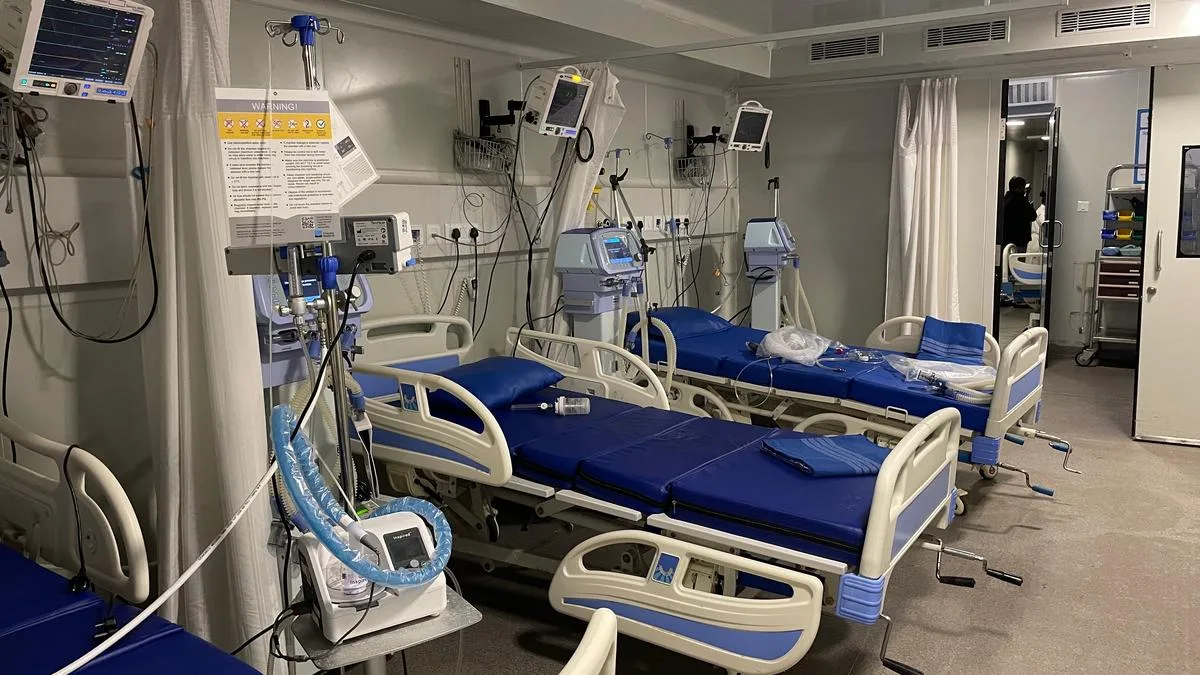
The new framework clearly defines the basic infrastructure required in every ICU. Hospitals must provide a dedicated ICU space with easy access to emergency units, operation theatres and labs. Continuous power supply, proper sanitation and an organised layout are now mandatory.
Each ICU bed must have oxygen supply, suction systems and enough electrical points. Important equipment like ventilators, monitors, defibrillators, infusion pumps and ECG machines are required to ensure proper patient care. These steps aim to standardise ICU facilities across both small and large hospitals.
Staffing Rules Under Supreme Court ICU Standards
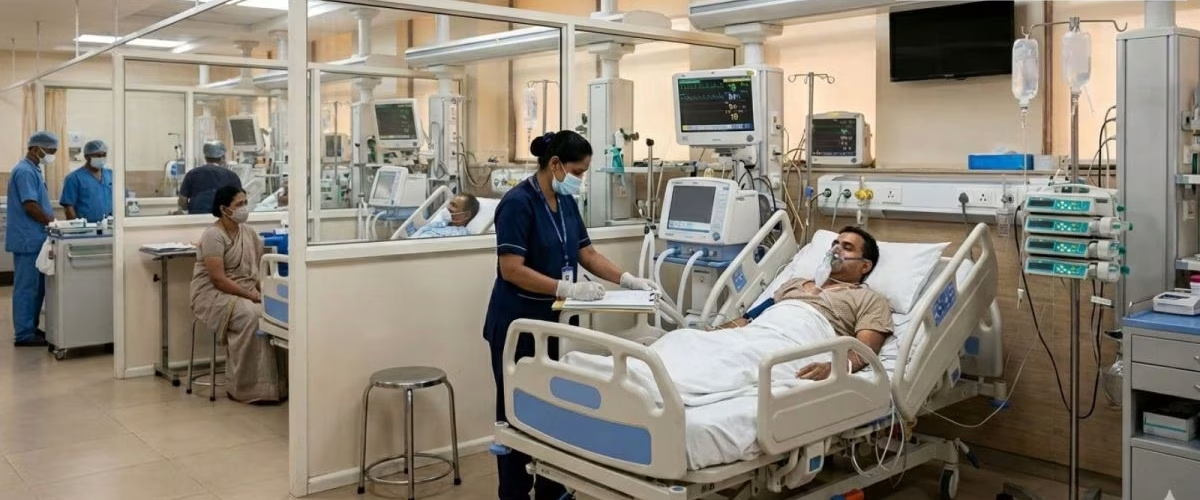
Staffing has become a key focus under the new norms. Every ICU must have trained doctors available at all times. Nurses must be present round the clock with strict patient care ratios.
The nurse-to-patient ratio is set between 1:2 and 1:3 for general ICU patients, while critically ill or ventilated patients may require a 1:1 ratio. This ensures continuous monitoring and faster response in emergencies. Support staff and allied health professionals must also be available to assist in patient care.
ICU Classification System Introduced
The guidelines introduce different levels of ICUs to ensure proper care based on patient needs. Even basic ICUs must meet minimum standards, while advanced units will offer higher levels of care.
The expert committee that prepared the report included specialists from leading institutions like All India Institute of Medical Sciences. The framework also highlights that while standards are fixed, doctors should use clinical judgment when treating patients.
Focus on Technology and Remote Care
To support smaller hospitals, the guidelines promote the use of e-ICU and tele-ICU systems. These technologies allow remote consultation with specialists, helping hospitals in rural and remote areas provide better care.
This step is expected to reduce the gap between urban and rural healthcare services and improve access to critical care across the country.
States Directed to Implement Supreme Court ICU Standards
The Supreme Court of India has asked all states and Union Territories to submit action plans to implement these standards. Authorities must identify gaps in existing ICU facilities and outline steps to improve them.
Experts believe these guidelines will bring major improvements in patient safety, hospital accountability and overall healthcare quality in India.