


Iron Battery Breakthrough China Boosts Low-Cost Energy Storage

Iron Battery Breakthrough China marks a major step in battery technology as scientists from the Chinese Academy of Sciences developed a new all-iron flow battery. This advanced system can operate for more than 6,000 charge-discharge cycles without losing capacity. The innovation could transform large-scale energy storage and reduce dependence on costly lithium-ion batteries.
Thank you for reading this post, don't forget to subscribe!Rising Cost Issues in Lithium Batteries
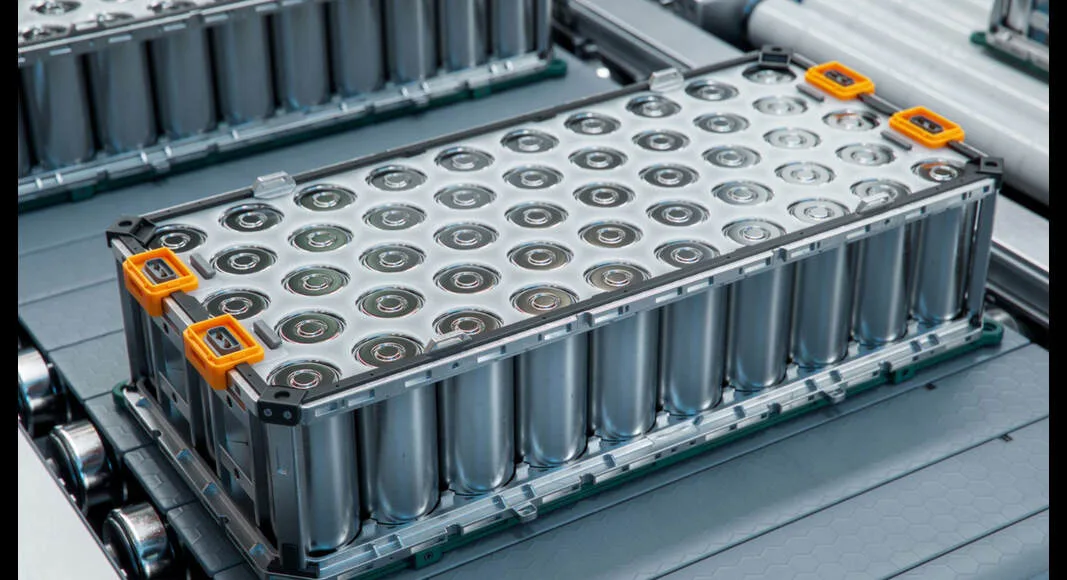
Lithium-ion batteries are widely used in electric vehicles, mobile phones, and solar systems. They are efficient and reliable, but lithium is expensive. The cost of raw materials and production makes these batteries costly. Also, limited supply and long-term sustainability create challenges for many countries.
Why Iron Flow Batteries Are Promising
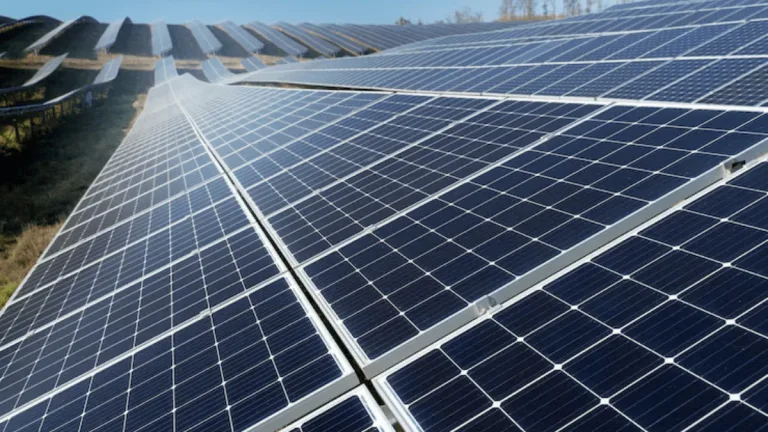
Iron flow batteries use iron, which is cheap and easily available. They also use water-based electrolytes, making them safer because they are non-flammable. Compared to lithium batteries, iron-based systems can be much more affordable. This makes them a strong option for large-scale energy storage, especially for solar and wind power systems.
Iron Battery Breakthrough China: Stability Problem in Iron Batteries
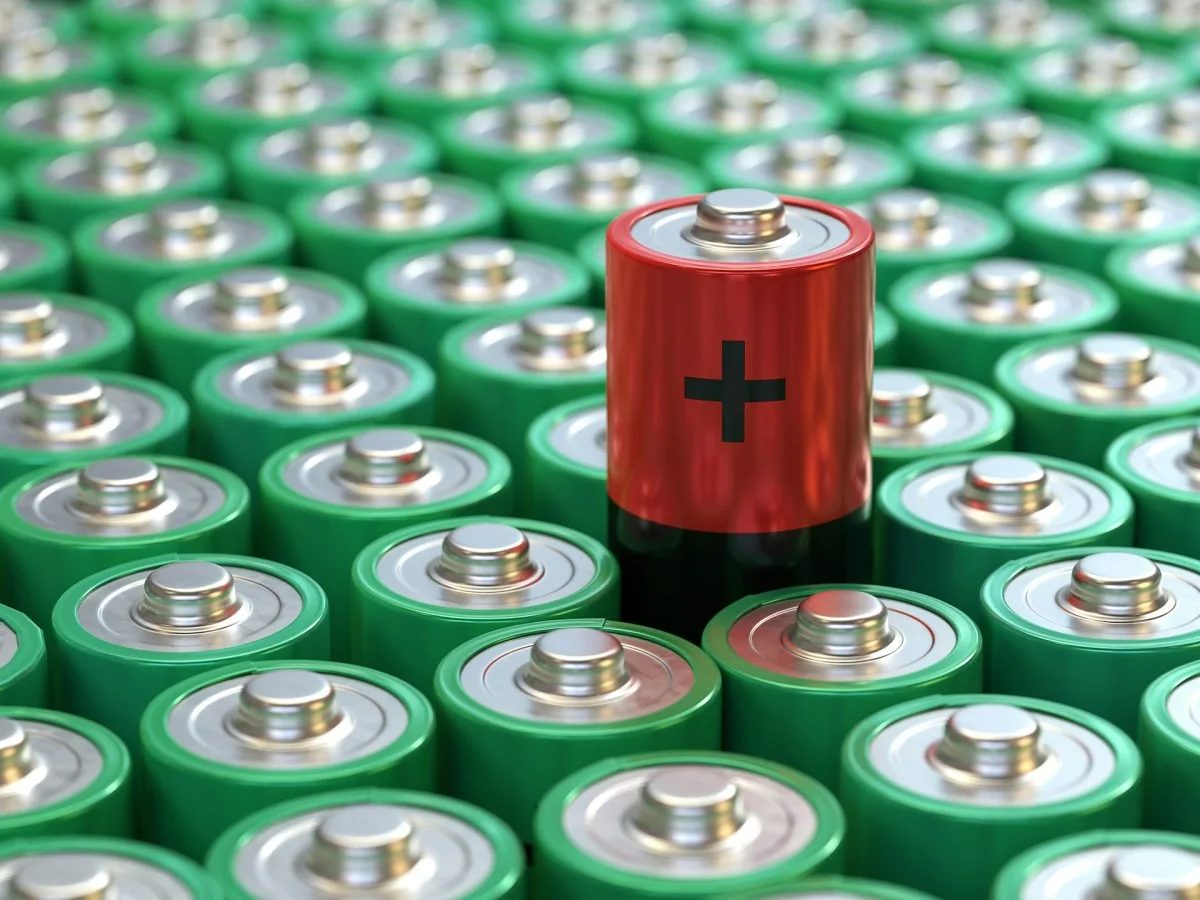
Earlier, iron batteries faced a major issue with stability. The liquid on one side of the battery, called the anolyte, would become unstable. This caused material loss and reduced battery performance over time. Due to this problem, industries preferred lithium batteries despite higher costs.
New Solution to Improve Stability
The research team solved this issue using a “synergistic design” method at the molecular level. They created a new iron complex that protects the battery structure. It acts like a shield, preventing harmful reactions and stopping material leakage. The system also repels unwanted particles, keeping the battery stable.
Tests showed that even after 6,000 cycles, the battery had no damage, no harmful deposits, and maintained full performance. This development could make iron batteries a strong and affordable alternative for future energy storage systems.