



Ladakh Article 371 Safeguards

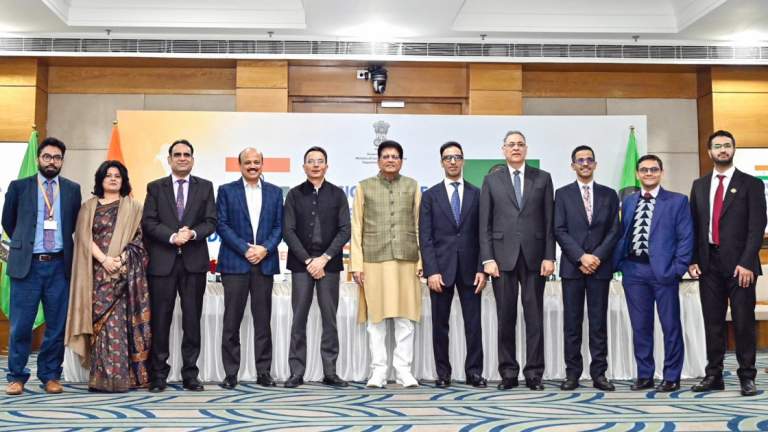
Ladakh Article 371 discussions have gained importance as the Ministry of Home Affairs continues talks on providing constitutional safeguards to Ladakh. A key meeting was held on 22 May 2026 with representatives from the Ladakh Apex Body and the Kargil Democratic Alliance. These discussions reflect ongoing efforts to shape governance and protection frameworks for the region.
Thank you for reading this post, don't forget to subscribe!The focus is on finding a balanced approach that supports development while protecting local identity, land rights, and administrative needs.
Understanding Article 371 Provisions
Article 371 is part of the Constitution of India and includes special provisions for certain states and regions. These provisions are designed to address unique cultural, social, and geographical conditions.
Different clauses under Article 371 provide flexibility in governance. They allow regions to have special arrangements related to land ownership, employment, and cultural practices. This approach helps maintain regional diversity while staying within the national framework.
Special Clauses in Different States
Several states already benefit from such constitutional arrangements. Article 371A applies to Nagaland and protects local customs, traditions, and land ownership rights.
Article 371F is linked to Sikkim and was introduced after its merger with India in 1975. It ensures political and administrative stability in the region.
Article 371G applies to Mizoram and protects cultural identity and traditional laws.
These examples show how different regions have been given tailored solutions based on their specific needs.
Governance Proposals for Ladakh
The discussions on Ladakh include proposals for a local governance system with more powers. One idea is to create an elected body at the Union Territory level with legislative, executive, and financial authority.
Such a structure would allow local representatives to take part in decision-making. It would also improve accountability and ensure that governance is more responsive to local needs.
The Centre is also exploring ways to ensure that administrative systems remain connected to elected representatives.
Role of the Sixth Schedule
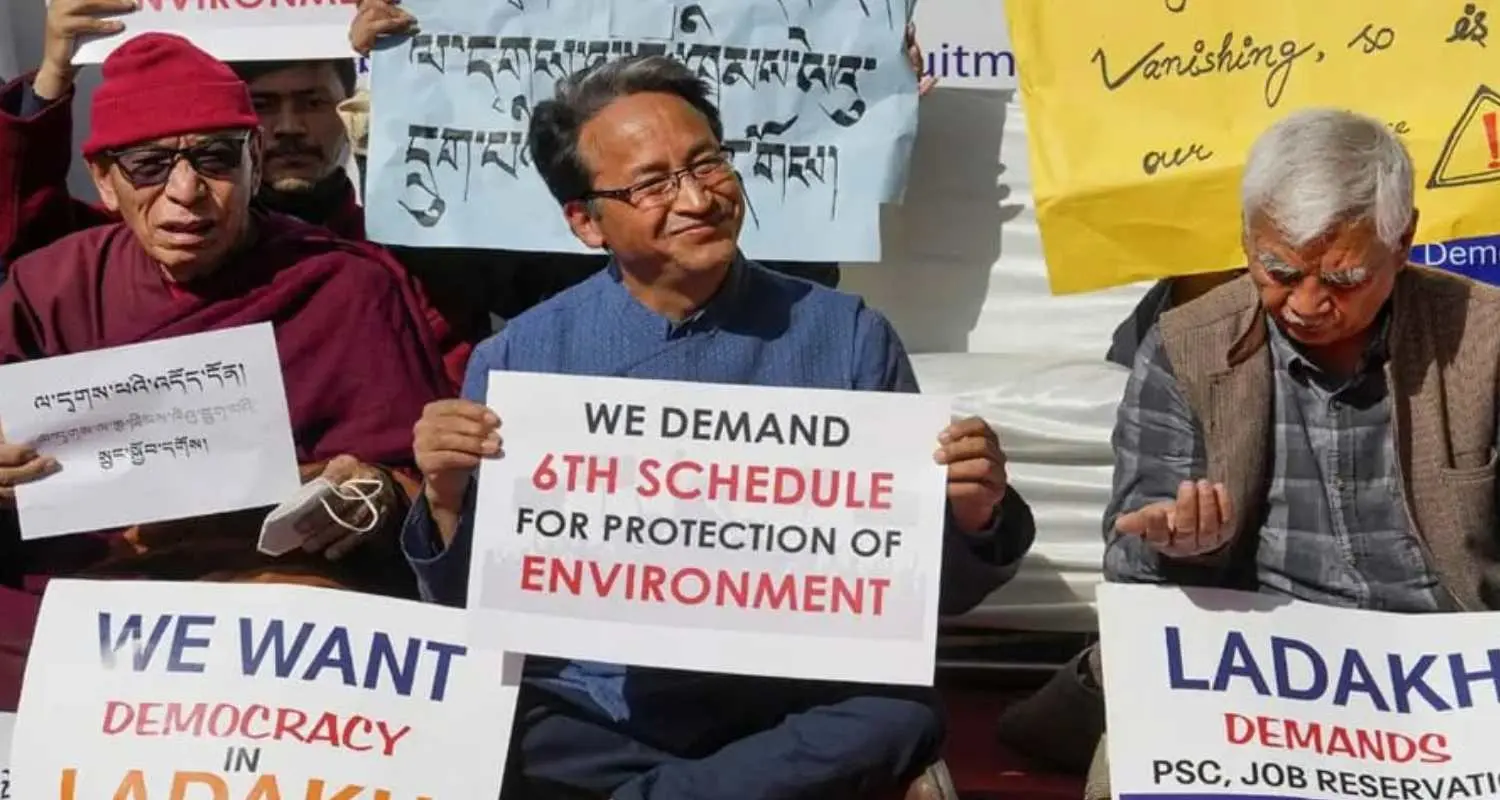
Another important topic in the discussions is the Sixth Schedule. This provision allows the creation of Autonomous District Councils in certain tribal areas.
States like Assam, Meghalaya, Tripura, and Mizoram already have such councils. These bodies manage local administration and protect tribal interests.
However, the Centre has not agreed to extend Sixth Schedule status to Ladakh so far. Discussions are continuing to find an alternative model that suits the region.
Union Territory Status and Ongoing Debate
Ladakh became a Union Territory on 31 October 2019 after the reorganisation of the former state of Jammu and Kashmir. Since then, there have been ongoing discussions about governance and representation.
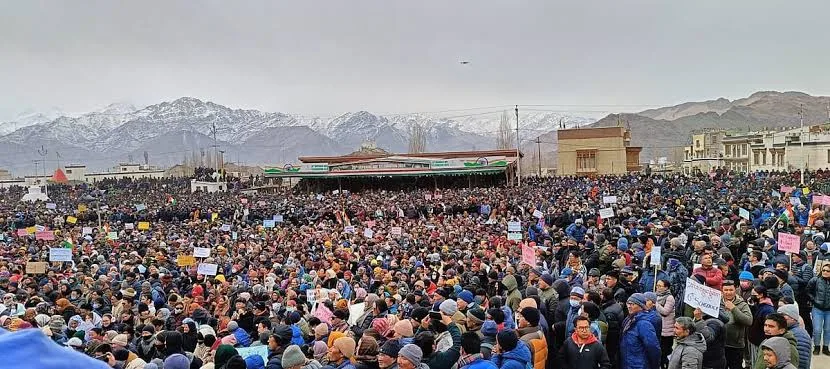
Local groups have been demanding more powers and safeguards. The Centre is working through consultations to address these concerns while maintaining administrative balance.
The debate includes topics such as statehood, local autonomy, and constitutional protections.
Administrative and Cultural Context
Ladakh is known for its unique geography, culture, and traditions. Its remote location and diverse communities require a governance model that considers local realities.
Special provisions like Article 371 are often used in such cases to provide flexible administrative solutions. They help ensure that development does not affect cultural identity or local rights.
This approach has been used in several parts of India with different adaptations.
Ongoing Consultations and Future Plans
The Centre is expected to continue consultations with local stakeholders. A draft proposal may be prepared to outline the possible framework for Ladakh’s governance and safeguards.
These discussions are part of a larger effort to create a system that supports both growth and protection. The involvement of local groups shows the importance of inclusive decision-making.
Additional Perspective on Regional Development
The Ladakh Article 371 discussions also connect with broader topics like sustainable development, tourism, and environmental protection. Ladakh has seen growing interest as a travel destination, which brings both opportunities and challenges.
Balancing economic growth with ecological preservation is becoming an important part of policy discussions. Any governance model for Ladakh will need to consider these modern challenges along with traditional concerns.