



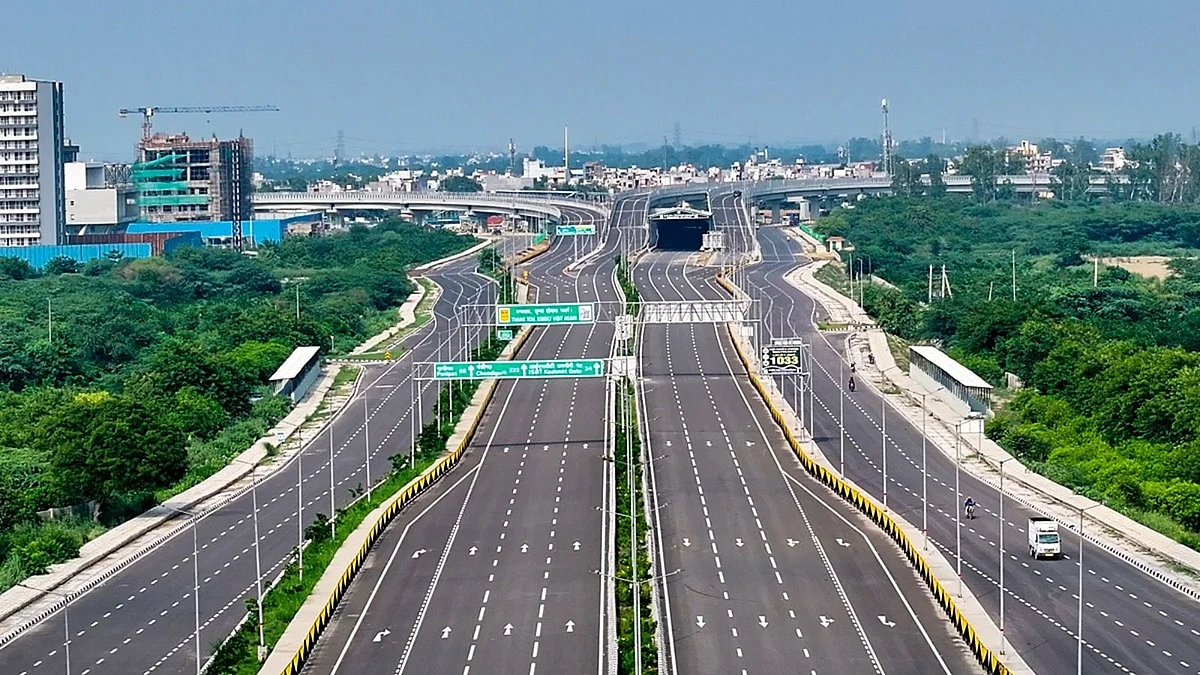
Barrier-Free Toll Plaza NH-48: India Launches Smart Tolling System

India has taken a major step towards modernising its highway infrastructure with the launch of the Barrier-Free Toll Plaza NH-48 system on the Delhi–Mumbai National Highway. The new tolling system has been introduced at the Chorayasi Toll Plaza on the Surat–Bharuch stretch in Gujarat. It marks the beginning of a faster and technology-driven toll collection process in India.
Thank you for reading this post, don't forget to subscribe!What is the MLFF Tolling System?
The Multi-Lane Free Flow (MLFF) tolling system allows vehicles to cross toll plazas without stopping. The system uses Automatic Number Plate Recognition (ANPR) cameras and FASTag technology to identify vehicles and collect toll charges automatically.
Unlike traditional toll booths, there are no physical barriers in this system. Vehicles can move smoothly without waiting in long queues, making highway travel faster and more convenient.
Barrier-Free Toll Plaza NH-48 Improves Highway Travel
The Barrier-Free Toll Plaza NH-48 system is expected to reduce travel time for commuters and transport vehicles. Since vehicles no longer need to stop at toll plazas, fuel consumption and traffic congestion will also decrease.
The new system will also help reduce vehicle emissions because engines will not remain idle for long periods. This move supports India’s goal of improving road transport efficiency and promoting cleaner mobility.
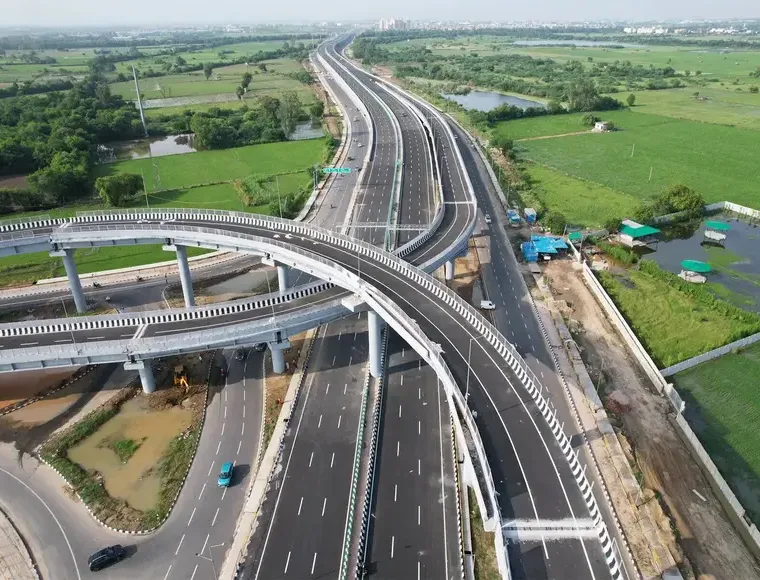
Digital Payment and Enforcement System
Under the MLFF system, toll payments are automatically deducted through FASTag accounts or linked vehicle details. If a vehicle does not have a FASTag or fails to pay the toll, authorities can issue electronic notices (e-notices).
Repeated violations may lead to penalties such as suspension of FASTag services and restrictions on vehicle-related services, including fitness certificates and ownership transfers.
Government’s Future Plan for Smart Tolling
The Ministry of Road Transport and Highways plans to introduce barrier-free tolling on all four-lane highways across India by 2029. The government believes the new system will improve logistics, save time, and support digital governance.
The MLFF system has replaced earlier satellite-based tolling plans that faced privacy and security concerns. With this initiative, India is moving towards smarter and more efficient highway management.