

Schedule M Amendments on Microbial Limits

Schedule M Amendments have been proposed by the Union Health Ministry to strengthen microbial contamination controls in sterile pharmaceutical manufacturing facilities in India. On 4 November 2026, the Ministry proposed changes to Schedule M of the Drugs Rules, 1945, focusing on the microbial limits for Grade A manufacturing areas. The proposed changes aim to improve medicine quality and bring Indian manufacturing standards closer to international guidelines issued by the World Health Organization (WHO).
Sterile medicines must be manufactured under carefully controlled conditions because even a small amount of microbial contamination can affect their safety and quality. The proposed amendments seek to make environmental monitoring stricter and ensure that any sign of microbial growth receives immediate attention.

What Are the Proposed Schedule M Amendments?
The Health Ministry has proposed revising the microbial contamination limits for Grade A areas used in sterile pharmaceutical production. Under the existing requirement described in the proposal, the microbial limit is less than one colony-forming unit (CFU).
The proposed change would replace this limit with a stricter requirement of “no growth”. This means that microbial growth should not be detected in the monitored Grade A environment.
If any microbial growth is found, pharmaceutical manufacturers would be required to investigate the result. The investigation would help identify the possible source of contamination and determine whether corrective action is needed.
The main purpose is to reduce the risk of microorganisms entering sterile medicines during manufacturing, filling and other sensitive production activities.
What Is Schedule M Under the Drugs Rules, 1945?
Schedule M is an important part of India’s Drugs Rules, 1945. It describes Good Manufacturing Practices (GMP) and requirements for pharmaceutical manufacturing facilities.
These standards cover areas such as factory premises, equipment, production processes, quality control, storage and hygiene. They are designed to ensure that medicines are consistently produced and controlled according to required quality standards.
For sterile pharmaceutical products, environmental control is especially important. Manufacturing areas must be designed and maintained to reduce the presence of microorganisms and other particles that could contaminate medicines.
The proposed Schedule M amendments focus on strengthening these controls in Grade A areas, where particularly sensitive manufacturing operations take place.
Understanding Grade A Manufacturing Areas
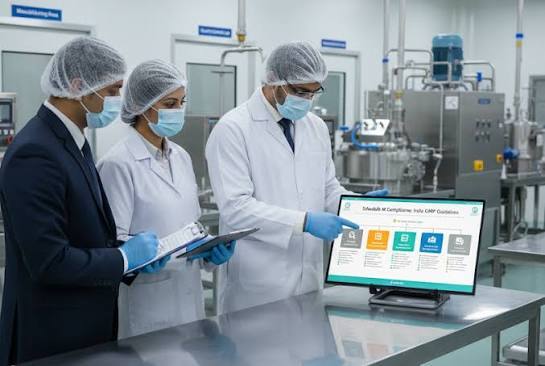
Grade A is a highly controlled cleanroom environment used for critical activities in sterile pharmaceutical manufacturing. These activities may include aseptic filling, the handling of exposed sterile products and other operations where contamination must be prevented.
In such areas, manufacturers use specialised air filtration systems, controlled airflow, protective clothing and strict cleaning procedures. Workers must follow carefully designed practices to prevent contamination from entering the production environment.
Environmental monitoring is also necessary. It helps manufacturers check whether the cleanroom continues to meet the required standards during operations.
Under the proposed amendments, the move to a “no growth” requirement would make microbial monitoring in Grade A areas more stringent. It would also place greater importance on investigating every detected instance of microbial growth.
What Is a Colony-Forming Unit?
A colony-forming unit, commonly known as CFU, is a measurement used in microbiology to estimate the number of viable microorganisms in a sample.
In a culture-based test, a sample is placed on a suitable growth medium and kept under controlled conditions. If living microorganisms are present and able to grow, they may form visible colonies. These colonies are then counted and reported as CFU.
A CFU does not always represent a single microbial cell because a group of cells may produce one colony. The method mainly detects microorganisms that can grow under the selected testing conditions.
Microscopy is different because it can show both living and dead cells, depending on the method used. Culture-based testing is useful for checking viable microbial contamination in pharmaceutical manufacturing environments.
Alignment with World Health Organization Guidelines
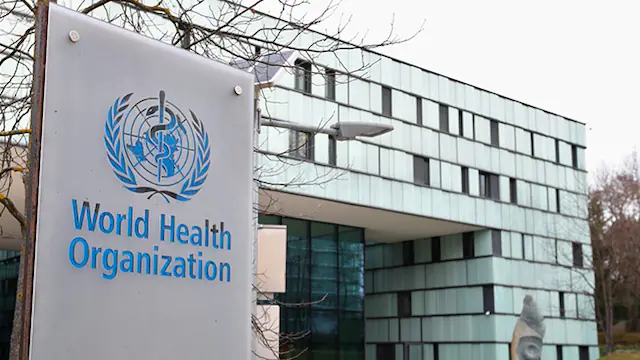
The proposed Schedule M amendments seek to align India’s requirements with the World Health Organization’s Technical Report Series No. 1044, Annexure 2, which covers Good Manufacturing Practices for Sterile Pharmaceutical Products.
WHO provides international guidance to help countries maintain consistent standards for the production of safe and effective medicines. Its sterile manufacturing guidelines place strong emphasis on contamination prevention, cleanroom controls and environmental monitoring.
Aligning Indian requirements with these guidelines could help improve consistency between domestic pharmaceutical manufacturing standards and international expectations.
This is particularly relevant because India is a major producer and supplier of pharmaceutical products to markets around the world. Strong manufacturing controls are important for maintaining the quality and reliability of medicines supplied to patients.
Gazette Notification Invites Public Suggestions
The proposed changes were published through Gazette notification GSR No. 953(E), dated 28 October 2026. The notification invited stakeholders and members of the public to submit their objections and suggestions.
This consultation process allows pharmaceutical companies, industry organisations, technical experts and other interested groups to share their views on the proposed changes.
After considering the feedback, the government can take the next steps in the amendment process. Until the proposal is finalised and brought into force, it should be understood as a proposed regulatory change rather than an already implemented requirement.
Why Are the Proposed Changes Important?
Microbial contamination is a major concern in the production of sterile medicines, including injections and other products that must remain free from harmful microorganisms.
Contamination can occur through people, equipment, air, raw materials or manufacturing processes. Even a small failure in environmental control may affect product quality.
The proposed Schedule M amendments aim to strengthen the way manufacturers monitor and respond to microbial contamination. A “no growth” requirement would set a stricter expectation for Grade A areas, while mandatory investigations would help identify possible causes of contamination.
Good Manufacturing Practices also require manufacturers to validate critical production processes. Process validation provides evidence that important operations can consistently produce medicines that meet approved quality standards.
Together, stronger environmental monitoring, effective investigations and process validation can support better quality control in sterile pharmaceutical manufacturing.