Himalayan Mushroom Discovery: New Species Found in Uttarakhand’s High-Altitude Forests

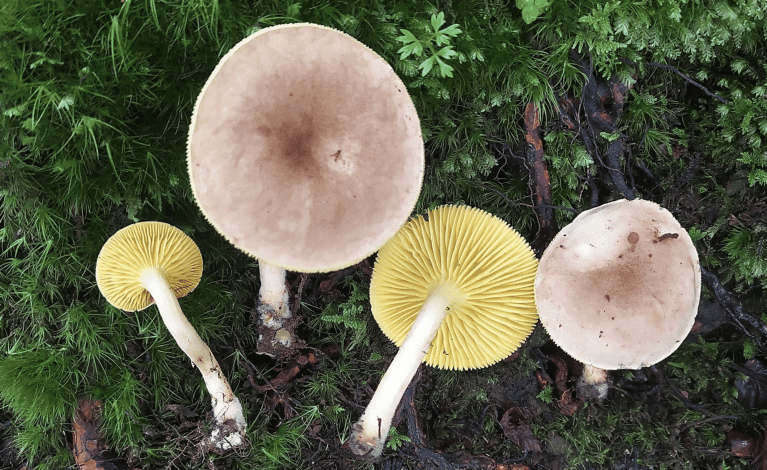
Himalayan Mushroom Discovery has brought fresh attention to the hidden world of fungi living in the temperate forests of the Indian Himalayas. Scientists have identified a previously unknown species of mushroom in Uttarakhand, marking the first official record of its genus in India. This important finding highlights how much remains to be learned about Himalayan biodiversity and the delicate ecosystems that support it.
Thank you for reading this post, don't forget to subscribe!The newly discovered species has been named Hemileccinum indicum. Its identification adds a valuable new entry to India’s growing list of documented plant and fungal species. Researchers believe this discovery opens new doors for understanding forest ecology, species evolution, and the ecological services provided by fungi.
Discovery in Uttarakhand’s High-Altitude Forests
The mushroom was found in oak-dominated forests of Bageshwar district, located in the Kumaon region of Uttarakhand. Specimens were collected from the Dhakuri area, which lies at elevations above 2,600 metres. These forests experience cool temperatures, heavy rainfall during monsoon months, and rich organic soil conditions that are ideal for fungal growth.
The discovery took place during macrofungal forays conducted in the monsoon seasons of 2022 and 2023. Macrofungal forays are organized field surveys where scientists search for large, visible fungi that emerge during peak growth periods. These seasonal surveys play a crucial role in identifying species that may otherwise remain unnoticed.
During the surveys, researchers noticed mushrooms that resembled known species from other parts of the world but showed unusual features. This sparked further investigation and detailed laboratory analysis.
What Makes Hemileccinum indicum Special
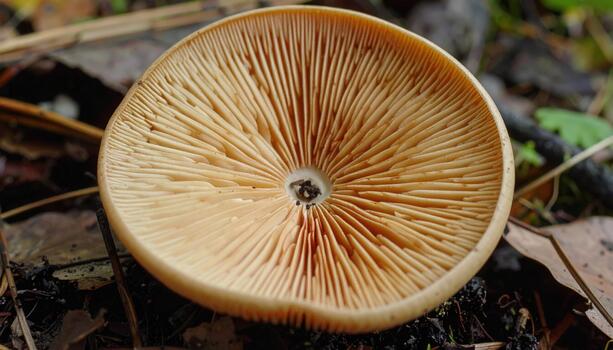
Hemileccinum indicum belongs to a group of mushrooms known as boletes. Unlike common mushrooms that have gills under their caps, boletes have tiny pores. This feature helps distinguish them from many other fungal groups.
The new species displays unique physical traits, including differences in cap texture, color patterns, and microscopic structures. These characteristics, combined with genetic data, confirmed that it represents a species never before recorded.
Even more significant is the fact that this is the first time the genus Hemileccinum has been documented in India. Previously, members of this genus were known mainly from North America, Europe, and parts of East Asia. The Indian finding greatly expands the known geographical range of this group.
International Collaboration Behind the Discovery
The study was carried out by a team of scientists from the Botanical Survey of India, the University of Torino in Italy, and St. Xavier’s College in Jharkhand. The research was led by mycologist Kanad Das, who specializes in mushroom taxonomy and biodiversity.
Collaboration between Indian and international institutions allowed the team to compare specimens with global reference collections and databases. Such partnerships are increasingly important in modern biodiversity research, as they combine field expertise with advanced laboratory techniques.
The researchers worked carefully to document the mushroom’s physical features, habitat, and growth patterns before moving on to genetic testing.
Genetic Evidence Confirms a New Species
To verify that the mushroom was truly new to science, the team conducted multigene molecular phylogenetic analysis. This technique involves studying multiple sections of DNA to understand evolutionary relationships between species.
The genetic data showed that Hemileccinum indicum is closely related to a species found in Florida, USA, but it has enough genetic differences to be classified as a separate species. These results provided strong scientific proof that the mushroom had not been previously described.
Molecular studies like this have become essential in modern taxonomy, especially for fungi, where many species look similar on the surface but differ genetically.
Ecological Role in Himalayan Forests
Hemileccinum indicum is an ectomycorrhizal fungus, meaning it forms a mutually beneficial relationship with the roots of trees, particularly oak trees in this case. In this partnership, the fungus helps the tree absorb water and nutrients such as phosphorus and nitrogen from the soil. In return, the tree provides sugars produced through photosynthesis.
This relationship strengthens forest health and supports tree growth, making such fungi vital components of forest ecosystems. The presence of this species indicates a well-functioning and relatively undisturbed forest environment.
Fungi like Hemileccinum indicum also contribute to soil formation and nutrient recycling, further highlighting their importance.
Why Himalayan Fungal Diversity Matters
The Himalayas are known for their rich plant and animal diversity, but fungal diversity has received far less attention. Experts believe that only a small fraction of Himalayan fungi have been scientifically documented so far.
Each new discovery helps scientists build a clearer picture of ecosystem complexity and species interactions. It also provides baseline data that can be used to monitor environmental changes, such as the impacts of climate change, deforestation, and land-use shifts.
As temperatures and rainfall patterns change in mountain regions, sensitive organisms like fungi may be among the first to show signs of stress. Understanding what species exist today is essential for future conservation planning.
Encouraging More Exploration and Conservation in Himalayan Mushroom Discovery
The discovery of Hemileccinum indicum shows that many hidden species may still be waiting to be found in India’s forests. It also demonstrates the value of systematic field surveys and long-term research programs.
Protecting forest habitats is crucial not only for large animals and plants but also for microscopic and lesser-known organisms that play essential ecological roles. Continued scientific exploration, combined with conservation efforts, can ensure that these ecosystems remain healthy and productive.
Himalayan Mushroom Discovery stands as a reminder that even in the 21st century, nature still holds many secrets. With careful study and responsible stewardship, these discoveries can deepen our understanding of life on Earth and strengthen our commitment to protecting biodiversity.