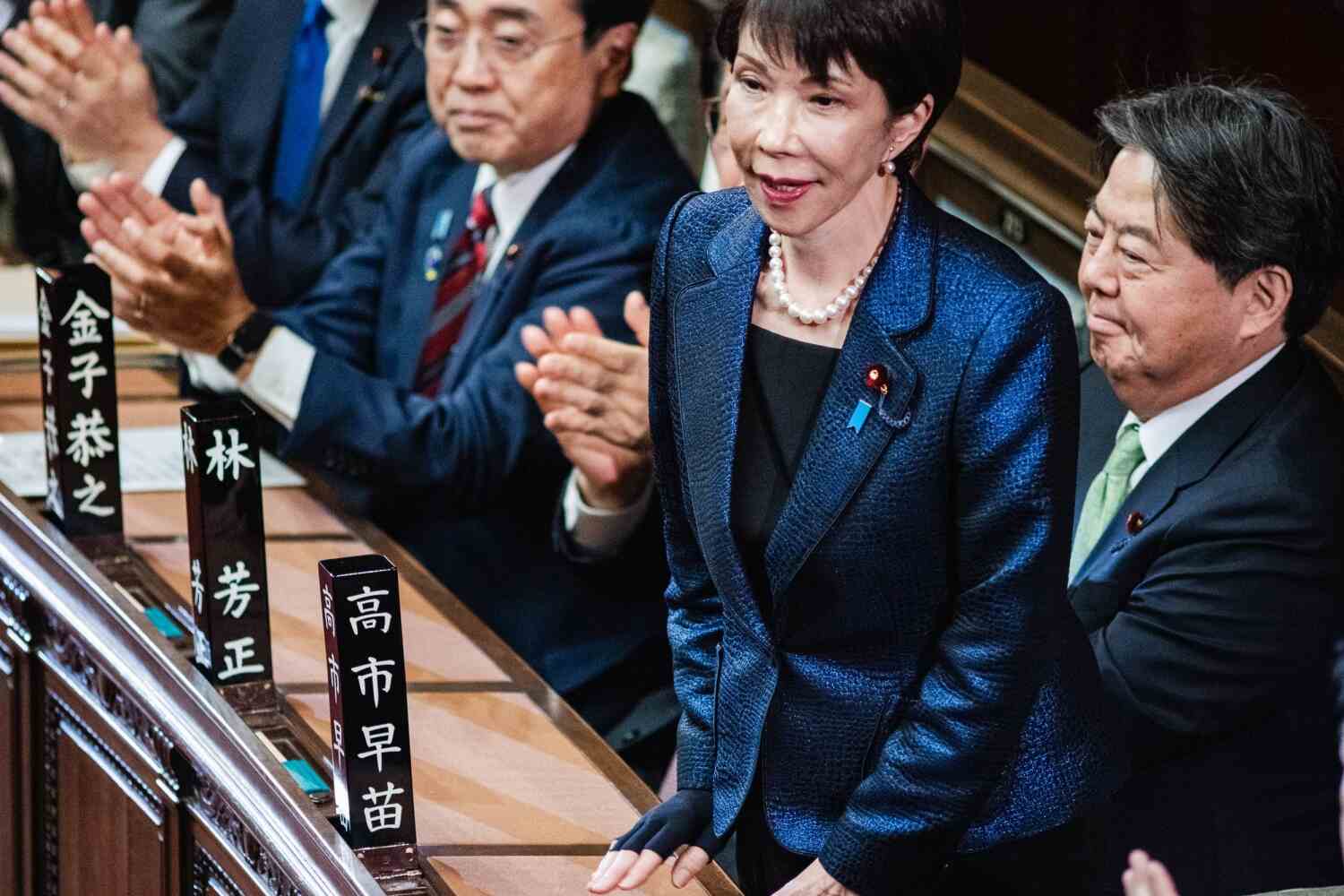
Sanae Takaichi Returns as Japan PM After Big Election Win

Sanae Takaichi has been reappointed as Prime Minister of Japan after a decisive victory in snap parliamentary elections held on February 8, 2026. The 64-year-old leader secured a strong mandate, reinforcing her leadership at a time when the country faces economic pressure and growing regional security concerns. Takaichi first made history in October by becoming Japan’s first woman prime minister, and her latest win further strengthens her political authority.
Thank you for reading this post, don't forget to subscribe!She leads the ruling Liberal Democratic Party (LDP), which achieved a two-thirds majority in the powerful lower house of parliament. This outcome gives her government greater control over legislation and policy direction. Soon after being formally reappointed, she announced her second Cabinet, signaling stability and continuity rather than major political changes.
Sanae Takaichi and Strong Parliamentary Control
Japan’s lower house, known as the House of Representatives, plays the central role in lawmaking. Winning a two-thirds majority in this chamber is especially important because it allows the ruling party to pass bills more easily and even override decisions made by the upper house.
With this level of support, Takaichi’s administration can push forward major policies related to defense, economic reform, and governance. Parliamentary committees -which review and shape laws before they are voted on -will also be dominated by the ruling bloc. This reduces political delays and strengthens the government’s ability to act quickly.
However, political analysts note that strong control also brings higher expectations. Citizens will be watching closely to see whether the government can deliver results on everyday issues such as inflation, wages, and public services.
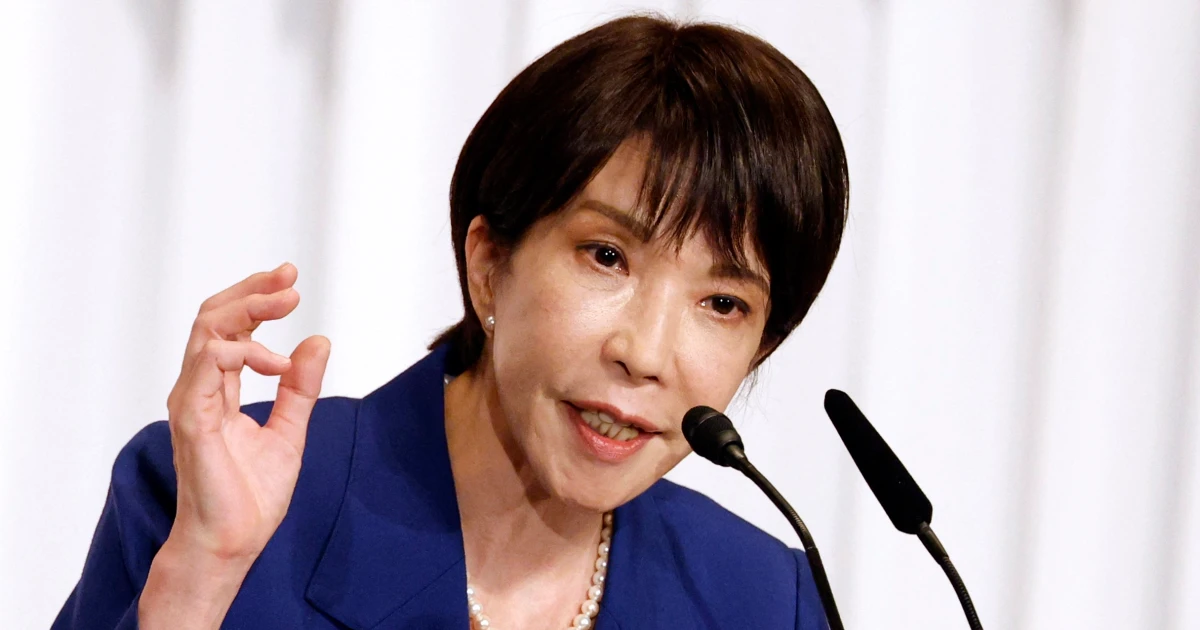
Sanae Takaichi and Economic Challenges at Home
Despite political stability, Japan’s economy faces several difficulties. Rising prices, slow wage growth, and a weakening yen have affected households and businesses. Like many countries, Japan is dealing with the long-term impact of global supply disruptions and energy costs.
Another major concern is the country’s aging population. Japan has one of the world’s oldest societies, with a declining birth rate and shrinking workforce. This creates pressure on pension systems, healthcare spending, and labor availability. The government is exploring policies to encourage family support, technological innovation, and selective immigration to address these issues.
Takaichi has promised measures to strengthen economic security, support domestic industries, and improve living standards. Her administration is also focusing on advanced technology sectors such as semiconductors, artificial intelligence, and clean energy – areas seen as crucial for future competitiveness.
Sanae Takaichi and Defense Expansion Plans
Security issues are a central part of Takaichi’s agenda. She has pledged to strengthen Japan’s military capabilities in response to rising tensions in East Asia. This includes increasing defense spending, improving missile systems, and expanding cooperation with allied countries.
Japan’s security policy has been evolving for years, moving away from strict post-war limitations toward a more active defense posture. The government argues that the regional environment has become more complex, requiring stronger deterrence measures.
Takaichi also supports expanding Japan’s defense industry, including the export of military equipment to friendly nations. Supporters say this could boost domestic manufacturing and technological development, while critics worry about regional reactions.
Sanae Takaichi Debate Over Constitutional Change
One of Takaichi’s long-term goals is revising Japan’s pacifist constitution, particularly Article 9, which renounces war and limits the country’s military role. The constitution was drafted after World War II under Allied supervision and has shaped Japan’s identity as a peaceful nation for decades.
Changing the constitution is a complex process that requires broad political and public support. While the election result strengthens her position, many domestic concerns — including economic issues and social welfare – may slow progress on constitutional reform.
Public opinion in Japan remains divided. Some citizens support a stronger military role for national security, while others worry that changes could alter the country’s peaceful image.
China, Taiwan, and Regional Tensions
Relations with China are another sensitive area. Takaichi has taken a firm stance on security issues, including concerns about stability in the Taiwan Strait. She has suggested that Japan could respond if military action threatens regional peace, remarks that drew criticism from Beijing.
Japan maintains close unofficial ties with Taiwan, and any conflict there would have major economic and security implications for the region. Trade routes, semiconductor supply chains, and regional alliances are all connected to stability in this area.
Tensions between China and several neighboring countries have been rising over territorial disputes, military activities, and economic competition. Japan’s approach aims to balance deterrence with diplomacy, avoiding direct confrontation while strengthening readiness.
Sanae Takaichi Historical Issues and Regional Reactions
Takaichi has also expressed support for visiting Yasukuni Shrine in Tokyo, which honors Japan’s war dead. Visits by political leaders to the shrine often provoke criticism from countries such as China and South Korea due to historical sensitivities related to World War II.
Such actions can affect diplomatic relations, trade discussions, and public opinion across the region. Managing historical memory while maintaining modern partnerships remains a delicate task for Japanese leaders.
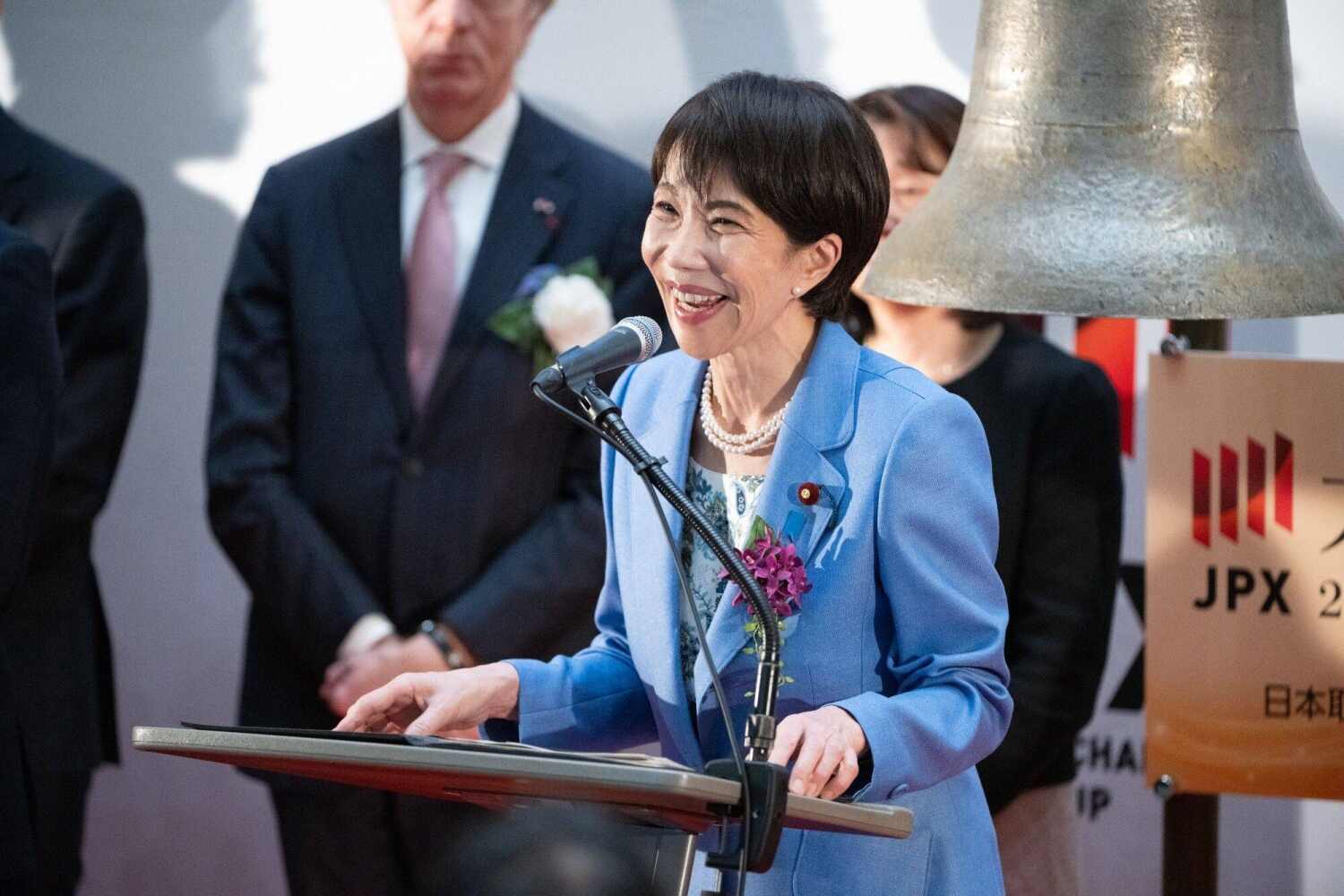
Strengthening Ties with the United States
Japan’s alliance with the United States remains a cornerstone of its foreign policy. Takaichi has expressed interest in deepening cooperation, particularly in economic security, technology, and supply chains.
One area of focus is rare earth minerals – critical materials used in electronics, renewable energy, and defense equipment. Securing stable access to these resources has become a global priority as demand grows.
Takaichi is expected to visit Washington soon to discuss trade, security cooperation, and joint technological development. The partnership between the two countries plays a major role in shaping the balance of power in the Indo-Pacific region.
Sanae Takaichi Balancing Growth and Stability
Japan’s government now faces the challenge of balancing domestic needs with international responsibilities. Citizens expect solutions to everyday concerns such as living costs, employment opportunities, and social services. At the same time, the country must respond to global economic shifts, climate goals, and security developments.
Takaichi’s strong electoral mandate gives her room to pursue ambitious policies, but success will depend on careful management of both domestic and foreign priorities. Her leadership marks a significant moment in Japan’s political history, not only because she is the country’s first female prime minister but also because she is guiding the nation during a period of rapid change.