



2300-Year-Old Kumittipathi Rock Art Faces Neglect Despite Protected Status

The discovery of the 2300-Year-Old Kumittipathi Rock Art has drawn renewed attention to one of Tamil Nadu’s lesser-known yet highly valuable heritage sites. Located at Kumittipathi village, these ancient rock paintings offer a rare window into early human life in the region. Despite being officially declared a protected monument, the site continues to suffer from neglect, vandalism, and a lack of basic conservation measures.
Situated in the Coimbatore district, close to the Kerala border, the Kumittipathi rock art site stands on Pathimalai hill under the Thirumalayampalayam town panchayat near Madukkarai. The paintings, estimated to be over 2,300 years old, remain exposed to damage even after formal recognition by the Tamil Nadu government.

A Rare Glimpse into the Past
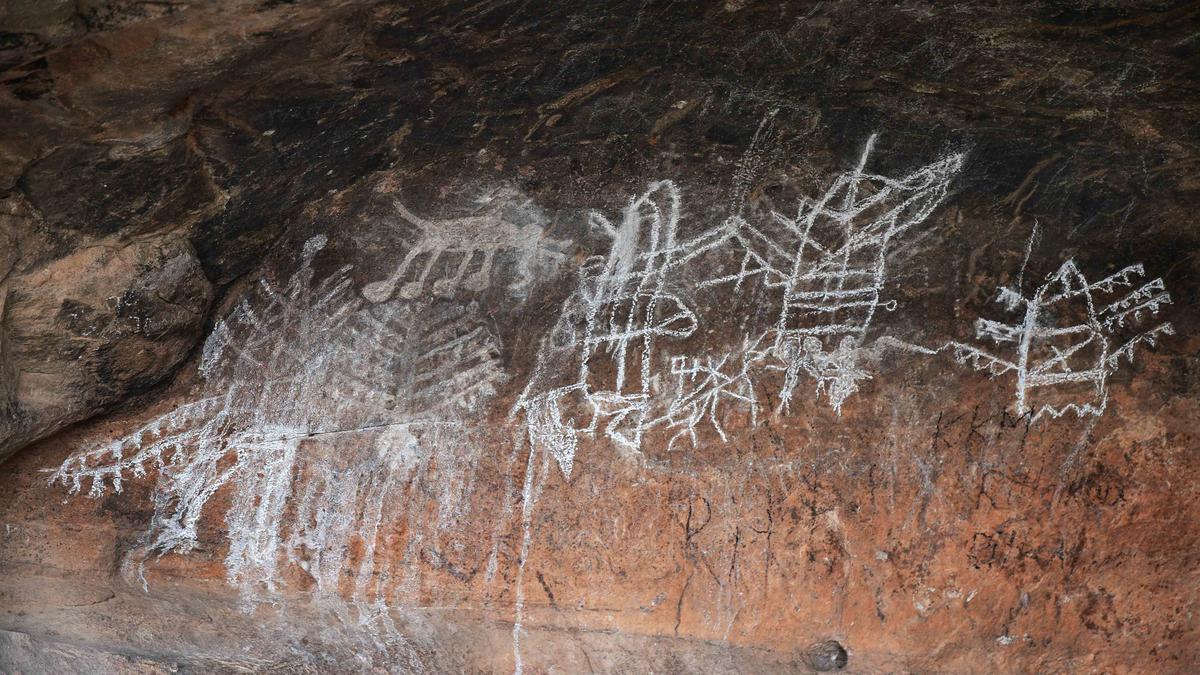
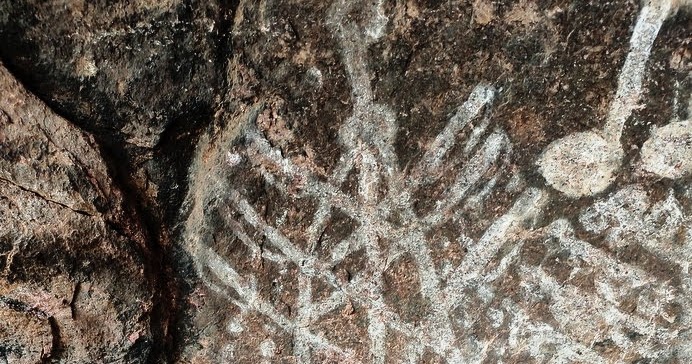
The Kumittipathi rock paintings are believed to date back to the early historic period. Created using white pigment, the artwork is found inside two natural caves carved into the rocky hill. Experts suggest that these paintings reflect early human settlement patterns and social life in this part of southern India.
One of the most striking aspects of the site is its possible link to wildlife history. Archaeologists believe the presence of elephant figures in the paintings may indicate that the region once served as a natural habitat for elephants. This connection between humans, animals, and the landscape adds immense historical value to the Kumittipathi site.
Details of the Cave Paintings
The rock art is divided between two caves located close to each other. The lower cave contains a clear painting of an elephant along with what appears to be a chariot. These images suggest an understanding of transport, movement, and possibly trade or ceremonial activity during that period.
The upper cave features human-like figures, painted in a simple yet expressive style. Each artwork measures roughly four feet in width and two feet in height. Though modest in size, these paintings carry deep cultural meaning, offering insight into early artistic expression and symbolic communication.
Unlike many prehistoric rock art sites hidden deep inside forests or remote hills, Kumittipathi is easily accessible. While this makes the site attractive for visitors, it has also made it more vulnerable to misuse and damage.
Protected on Paper, Unsafe on the Ground
In 2025, the state government officially declared the Kumittipathi rock art site a protected archaeological monument under the Tamil Nadu Ancient and Historical Monuments and Archaeological Sites and Remains Act, 1966. The announcement raised hopes among historians and local residents that the paintings would finally receive proper care.
Officials had promised to fence the area and install an information board explaining the historical importance of the site. However, more than a year later, these basic protective measures are yet to be implemented. The caves remain open, with no physical barriers or regular monitoring.
Growing Threats from Human Activity
The lack of security has led to repeated incidents of vandalism and environmental damage. Photographs from the site show signs of cooking fires, gatherings, and graffiti inside the caves. Smoke from fires has darkened parts of the cave walls, slowly damaging the fragile white pigment used in the paintings.
At one point, stones were arranged inside the cave to create a makeshift meditation space. Though revenue and archaeology officials later removed these structures, such incidents continue to occur. Local youth frequently visit the site, often unaware of the historical value of the paintings.
Over time, these activities pose a serious risk. Even small actions, such as touching the walls or lighting fires nearby, can cause permanent damage to ancient rock art.
Importance of Immediate Conservation
Historians and conservationists have repeatedly warned that without quick intervention, the Kumittipathi rock paintings may suffer irreversible harm. White pigments used in ancient art were often made from natural materials like lime or kaolin, which are highly sensitive to moisture, smoke, and physical contact.
Simple steps such as fencing, controlled access, clear signage, and periodic monitoring could significantly reduce the risk. Installing an information board would also help educate visitors and create awareness about the importance of preserving the site.
A Reflection of a Larger Challenge for 2300-Year-Old Kumittipathi Rock Art
The condition of the 2300-Year-Old Kumittipathi Rock Art highlights a broader issue faced by many heritage sites in India. While legal protection exists, enforcement and on-ground action often lag behind. Easily accessible monuments are especially at risk, as they face constant pressure from growing human activity.
Local residents and historians continue to urge authorities to act swiftly. Preserving Kumittipathi is not just about saving a few ancient paintings; it is about protecting a shared cultural legacy that connects present generations with their distant past.
If timely conservation measures are taken, Kumittipathi can serve as both a protected heritage site and an educational landmark, reminding society of the need to respect and safeguard history before it fades away.