



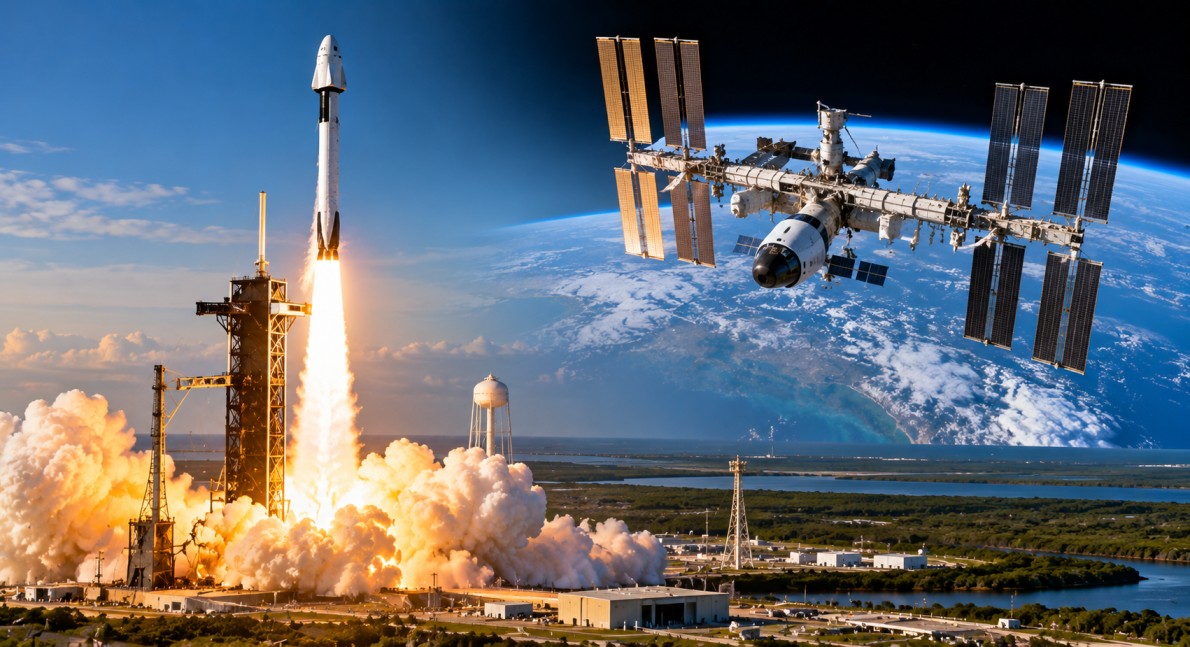
Crew-13 Mission Launches

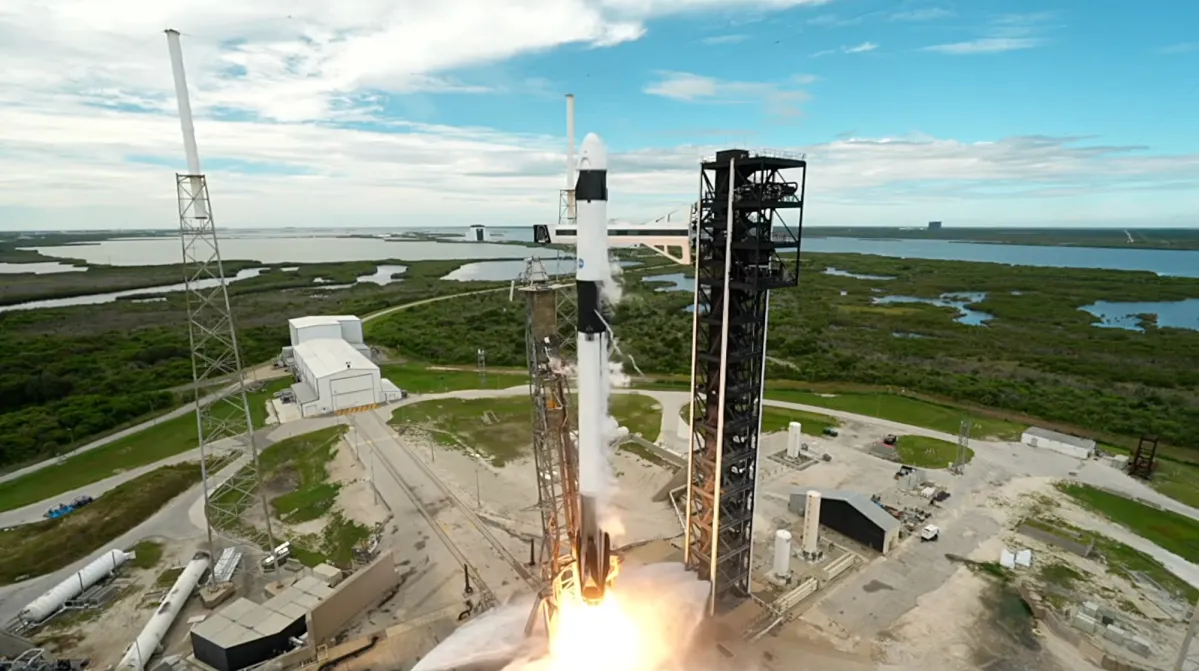
Crew-13 Mission launched from Florida on October 1, 2026, carrying four astronauts and cosmonauts to the International Space Station (ISS) for a long-duration science mission. The NASA and SpaceX mission lifted off at 11:10 a.m. EDT from Space Launch Complex 40 at Cape Canaveral Space Force Station aboard a Falcon 9 rocket. The crew travelled to the ISS in SpaceX’s Crew Dragon spacecraft, named Grace, and is expected to spend about six months conducting scientific research and supporting station operations.
Thank you for reading this post, don't forget to subscribe!Crew-13 Mission Carries Four Space Travellers
The Crew-13 Mission includes NASA astronauts Jessica Watkins and Luke Delaney, Canadian Space Agency astronaut Joshua Kutryk and Roscosmos cosmonaut Sergey Teteryatnikov. Watkins is serving as commander, while Delaney is the pilot of the Crew Dragon spacecraft.
The international composition of the crew reflects the long-running cooperation between NASA, international space agencies and Roscosmos aboard the ISS. The astronauts and cosmonaut will work together on scientific experiments, station maintenance and other activities during their stay in orbit.
Crew Dragon Grace Reaches the ISS
The Crew Dragon spacecraft used for the mission is called Grace. It is a reusable spacecraft developed by SpaceX to transport astronauts and cargo to low-Earth orbit.
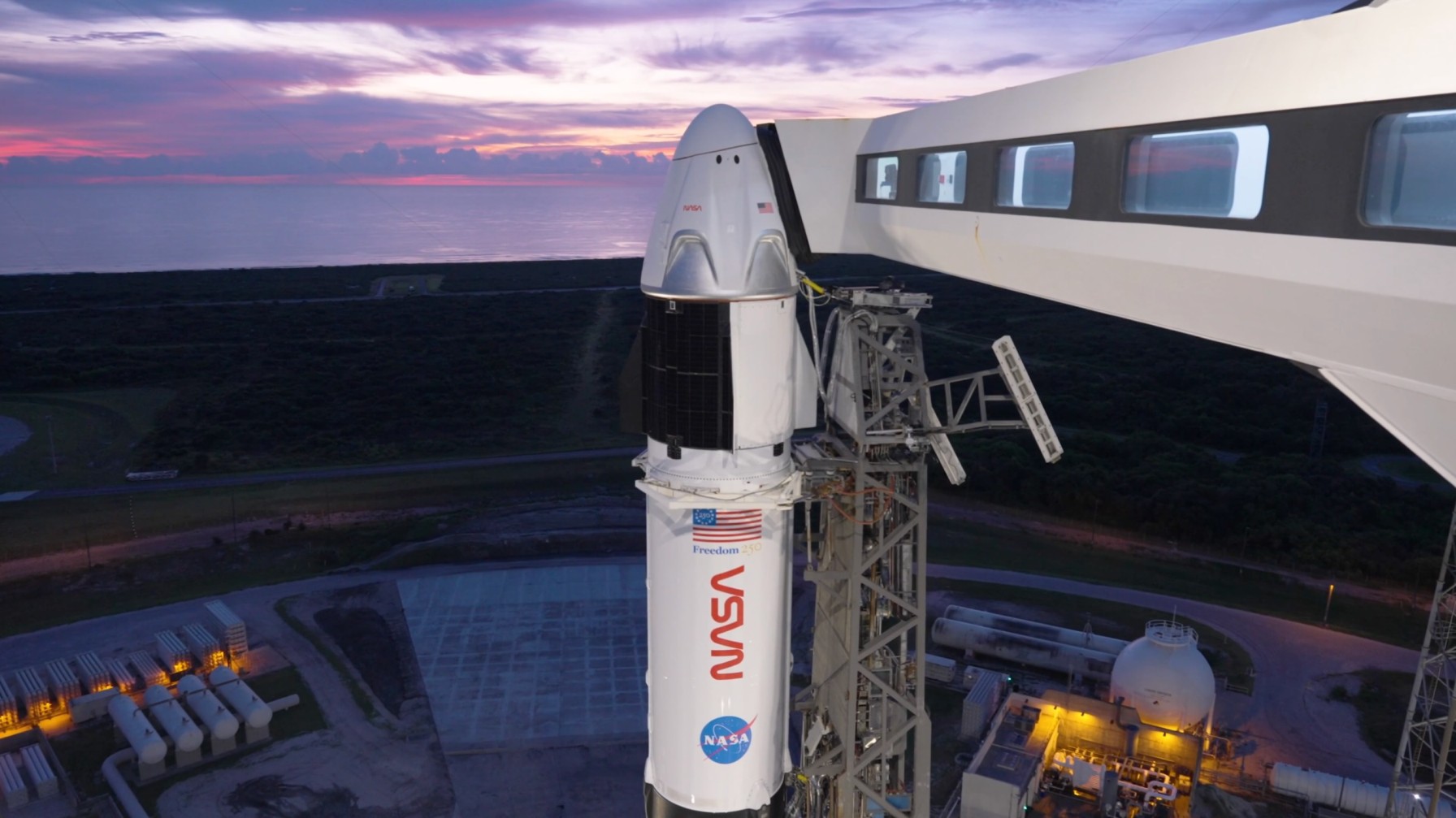
After separating from the Falcon 9 rocket, Grace travelled towards the ISS and completed an autonomous docking with the forward port of the station’s Harmony module at 7:05 p.m. EDT on October 1.
The spacecraft completed the journey in about 7 hours and 55 minutes. After docking, the crew entered the space station when the hatches opened at 9:19 p.m. EDT. The four crew members then joined Expedition 75 and began their work aboard the orbital laboratory.
Falcon 9 First Stage Flies Again
The Crew-13 launch also demonstrated SpaceX’s continued use of reusable rocket hardware. The Falcon 9 first stage used for the mission had previously supported the Crew-12 mission and a Starlink launch.
After completing its role during the launch, the booster returned for a controlled landing at Landing Zone 40 at Cape Canaveral Space Force Station.
The repeated use of Falcon 9 boosters is an important part of SpaceX’s launch system. Reusing major rocket components can reduce the time and resources needed to prepare hardware for future missions.
Research Will Focus on Health and Spaceflight
A major part of the Crew-13 Mission will be scientific research aboard the ISS. The crew will work on studies involving human stem cell-derived tissues, which can help researchers understand diseases and explore possible applications in personalised medicine.
Experiments involving human cells in microgravity can provide scientists with conditions that are difficult to reproduce on Earth. Researchers can study how cells develop and respond to their environment and use the findings to improve knowledge of human health.
The mission will also support research linked to future deep-space exploration. NASA and its international partners are using the ISS as a platform to study how humans and technology perform during long periods in space.
Launch Was Delayed Earlier
The mission did not launch on its original schedule. A September 12 launch attempt was delayed after engineers detected a propellant oxidiser leak involving the Crew Dragon spacecraft.
Teams worked to identify and address the issue before another launch opportunity was selected. The successful October 1 launch followed additional preparations and checks to ensure the spacecraft and rocket were ready for flight.
The delay highlighted the detailed safety checks required before crewed missions. Human spaceflight requires extensive testing of spacecraft systems, launch vehicles and life-support equipment before astronauts can begin their journey.
ISS Continues Its International Research Role
The arrival of Crew-13 Mission members adds another group of researchers to the International Space Station, which has served as a long-term laboratory in low-Earth orbit.
The ISS brings together NASA, Roscosmos, the European Space Agency, the Japan Aerospace Exploration Agency and the Canadian Space Agency. Astronauts from different countries regularly work together on experiments, maintenance and technology demonstrations.
During their stay, the Crew-13 team will contribute to this continuing programme of research. Their work will cover human health, biology, technology and other areas that can support future space missions.
Preparing for Future Human Spaceflight
The mission comes as space agencies and private companies continue developing systems for longer human missions beyond low-Earth orbit. Research conducted aboard the ISS can help scientists understand the challenges of extended space travel.
Studies involving human tissues, spacecraft systems and astronaut health can provide useful information for future missions to the Moon and eventually Mars.
The Crew-13 Mission therefore combines routine ISS operations with research aimed at improving human spaceflight. Its six-month expedition will add to the growing body of scientific data collected from astronauts living and working in microgravity.