India Ranks Eighth in Pharmacovigilance, Marking Major Drug Safety Milestone

India Ranks Eighth in Pharmacovigilance is a milestone that highlights the country’s remarkable journey in strengthening drug safety systems and global health responsibility. In just ten years, India has moved from the 123rd position to the 8th position worldwide in contributions to the World Health Organization’s pharmacovigilance programme. This dramatic rise reflects sustained reforms, better reporting practices, stronger regulations, and a growing culture of safety in the pharmaceutical sector.
Thank you for reading this post, don't forget to subscribe!This achievement was announced during the release of the Indian Pharmacopoeia 2026, marking not just a ranking improvement but a deeper transformation in how India monitors, regulates, and ensures the safety of medicines used by millions at home and abroad.
India Ranks Eighth in Pharmacovigilance: A Global Leap in Drug Safety
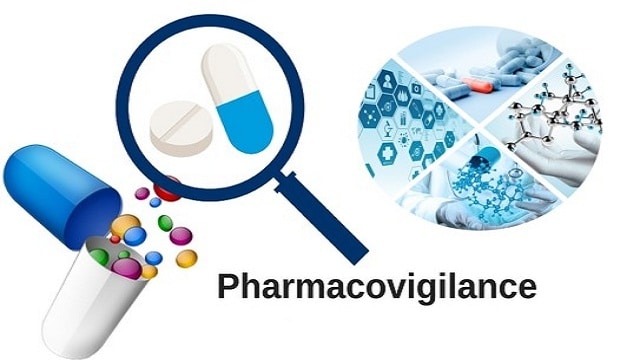
Pharmacovigilance is the science of monitoring, assessing, and preventing adverse effects of medicines. It plays a critical role in protecting patients and improving public trust in healthcare systems. India’s jump to the 8th position globally shows that the country is now a key contributor of drug safety data to the WHO.
A decade ago, India’s reporting systems were limited in scale and reach. Over time, coordinated efforts by health authorities, regulators, hospitals, and pharmaceutical companies have helped build a more robust framework. Adverse drug reactions are now reported more regularly, assessed scientifically, and shared globally, allowing faster detection of risks and safer use of medicines.
This progress also reflects India’s growing responsibility as one of the world’s largest producers and exporters of medicines.
India Ranks Eighth in Pharmacovigilance: Release of Indian Pharmacopoeia 2026
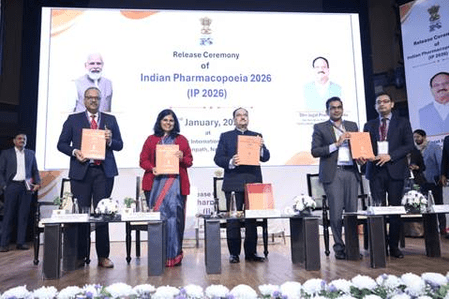
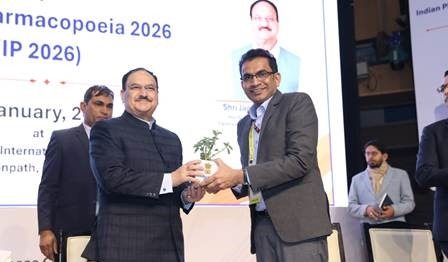
The announcement came during the release of the 10th edition of the Indian Pharmacopoeia, officially titled Indian Pharmacopoeia 2026. Union Health and Family Welfare Minister J P Nadda unveiled the new edition in New Delhi, highlighting its role in supporting India’s improved pharmacovigilance standing.
The Indian Pharmacopoeia is the official book of drug standards in the country. It defines the quality, purity, and strength of medicines that are manufactured, sold, and used in India. Regulators, manufacturers, laboratories, and healthcare providers rely on it as an authoritative reference.
With each edition, the Pharmacopoeia evolves to match scientific progress, new therapies, and emerging health needs. The 2026 edition is seen as a major step forward in aligning India’s drug standards with global best practices.
India Ranks Eighth in Pharmacovigilance with Expansion of Drug Standards and New Monographs
One of the most important updates in Indian Pharmacopoeia 2026 is the addition of 121 new monographs, bringing the total number to 3,340. Monographs provide detailed information on individual drugs, substances, or components, including their identification, testing methods, and quality requirements.
A historic highlight of this edition is the first-time inclusion of 20 blood component monographs. This makes India the first country in the world to formally include blood components in its pharmacopoeia.
These monographs cover essential blood products used in transfusions and treatments. Their inclusion strengthens scientific research, improves quality control, and ensures safer clinical use. It is expected to benefit areas such as blood transfusion services, as well as the treatment of conditions like thalassemia, haemophilia, and anaemia.
Strengthening Public Health Programmes
The expanded standards in Indian Pharmacopoeia 2026 are closely linked to India’s major public health initiatives. According to the Health Minister, the newly added monographs will directly support programmes such as:
- The National TB Elimination Programme
- Anaemia Mukt Bharat
- The Universal Immunisation Programme
By improving the quality and consistency of drugs and biological products, these standards help ensure that treatments delivered under national programmes are safe, effective, and reliable. This is especially important in a country where public health schemes serve large and diverse populations.
Better drug standards also reduce the risk of substandard or unsafe medicines entering the supply chain, which in turn strengthens patient confidence in public healthcare systems.
Building Trust Through Regulation and Reporting
India’s improved pharmacovigilance ranking did not happen overnight. It is the result of long-term investments in regulatory systems, training, and digital reporting platforms. Healthcare professionals are now more aware of the importance of reporting adverse drug reactions, and systems are in place to collect and analyse this data efficiently.
Regulatory bodies have also tightened oversight of manufacturing practices and post-market surveillance. Together, these measures ensure that safety monitoring continues even after medicines reach the market.
As India produces a large share of the world’s generic medicines, strong pharmacovigilance is essential not only for domestic patients but also for millions of people globally who rely on Indian drugs.
Growing Global Recognition of Indian Standards
Another sign of India’s rising credibility is the growing international acceptance of the Indian Pharmacopoeia. It is now officially recognised in 19 Global South countries, many of which depend on Indian medicines for their healthcare needs.
This recognition means that India’s drug standards are trusted beyond its borders. It also strengthens India’s role in shaping international pharmaceutical norms, particularly for developing nations seeking affordable and quality medicines.
As India Ranks Eighth in Pharmacovigilance, this global trust becomes even more significant. It positions the country not just as a supplier of medicines, but as a responsible leader in ensuring drug safety and quality worldwide.
A Strong Foundation for the Future
India’s rise in pharmacovigilance rankings, combined with the release of Indian Pharmacopoeia 2026, shows how regulatory reform, scientific rigor, and public health priorities can work together. The focus on better standards, wider reporting, and global cooperation has created a strong foundation for safer medicines.
With continued investment in drug safety systems and international collaboration, India is well placed to further strengthen its role in global healthcare. The journey from 123rd to 8th place is not just a statistic it is a reflection of a deeper commitment to patient safety, quality medicines, and global responsibility.