




National Textiles Meet Guwahati: India Weaves a Shared Vision for Growth, Heritage and Innovation

National Textiles Meet Guwahati will take centre stage as the Ministry of Textiles, in collaboration with the Government of Assam, organises the National Textiles Ministers’ Conference on 8–9 January 2026 in Guwahati. This important two-day event is expected to play a key role in shaping a unified national strategy to strengthen India’s position as a global textiles manufacturing and export hub.
Thank you for reading this post, don't forget to subscribe!Bringing together Union and State Ministers of Textiles along with senior government officials, industry stakeholders, and policy experts, the meet aims to build consensus on growth pathways for one of India’s oldest and most employment-intensive sectors. The choice of Guwahati as the host city also highlights the growing importance of the North-Eastern region in India’s textile story.
A Shared Theme Linking Tradition and the Future
The conference is being held under the theme “India’s Textiles: Weaving Growth, Heritage & Innovation.” This theme reflects a balanced approach that respects India’s deep-rooted textile traditions while embracing modern technology, sustainability, and global competitiveness.
India has set an ambitious vision of building a USD 350 billion textile industry and achieving USD 100 billion in textile exports by 2030. The National Textiles Meet Guwahati is designed as a platform where states and the Centre can align their policies, share best practices, and work together to reach these national goals.

Policy Dialogue for a Stronger Textile Ecosystem
One of the main objectives of the National Textiles Meet Guwahati is to encourage policy coherence across the country. Textiles is a sector where states play a major role in infrastructure, skill development, and local clusters. At the same time, national policies guide trade, investment, and innovation.
During the conference, ministers and officials will deliberate on how to reduce policy gaps, attract investments, and improve ease of doing business across the textile value chain. Discussions will focus on creating an environment where both large manufacturers and small artisans can grow together.
Focus on Infrastructure, Investment and Exports
Several focused sessions are planned to address key challenges and opportunities in the textile sector. Infrastructure development and investment promotion will be central topics, as modern textile parks, logistics facilities, and common processing centres are essential for global competitiveness.
Export expansion will also receive strong attention. With changing global supply chains, India has a chance to increase its share in international textile and apparel markets. The meet will explore ways to improve quality standards, reduce costs, and support exporters in accessing new markets.
Raw Materials, Fibres and New Textile Frontiers
Another important area of discussion at the National Textiles Meet Guwahati will be raw materials and fibres. India has strengths in cotton, silk, wool, and man-made fibres, but better integration is needed between farmers, processors, and manufacturers.
The conference will also highlight emerging areas such as technical textiles and research and development. Technical textiles, used in sectors like healthcare, infrastructure, defence, and agriculture, are seen as a high-growth segment that can add value and generate skilled jobs.
Reviving Traditional Textiles for Modern Markets
A special emphasis will be placed on revitalising traditional textiles, especially handlooms and handicrafts. These sectors are not only cultural assets but also major sources of rural and women-led employment.
At the meet, policymakers will discuss how traditional products can be better aligned with contemporary designs, global trends, and modern marketing channels. Branding, quality certification, and digital platforms are expected to feature prominently in these conversations.
Inaugural Session and Leadership Participation
The inaugural session on 8 January 2026 will see the participation of key national and state leaders. Union Minister of Textiles Shri Giriraj Singh, Assam Chief Minister Dr. Himanta Biswa Sarma, and Minister of State for Textiles Shri Pabitra Margherita are among the dignitaries expected to attend.
Their presence underlines the importance of cooperative federalism in achieving textile sector growth. Leadership-level engagement is expected to give strong direction to policy discussions over the two days.
Special Focus on the North-Eastern Region
A dedicated conclave on strengthening the textiles sector of the North-Eastern Region will be a major highlight of the National Textiles Meet Guwahati. The North-East is known for its rich traditions in silk, handloom, bamboo-based textiles, and natural fibres.
The conclave will focus on empowering women-led enterprises, improving market access, and building a strong identity around “Textiles from North-East.” Integrating the region’s unique products into national and global value chains is seen as both an economic and cultural priority.
National Exhibition Showcasing Diversity and Innovation
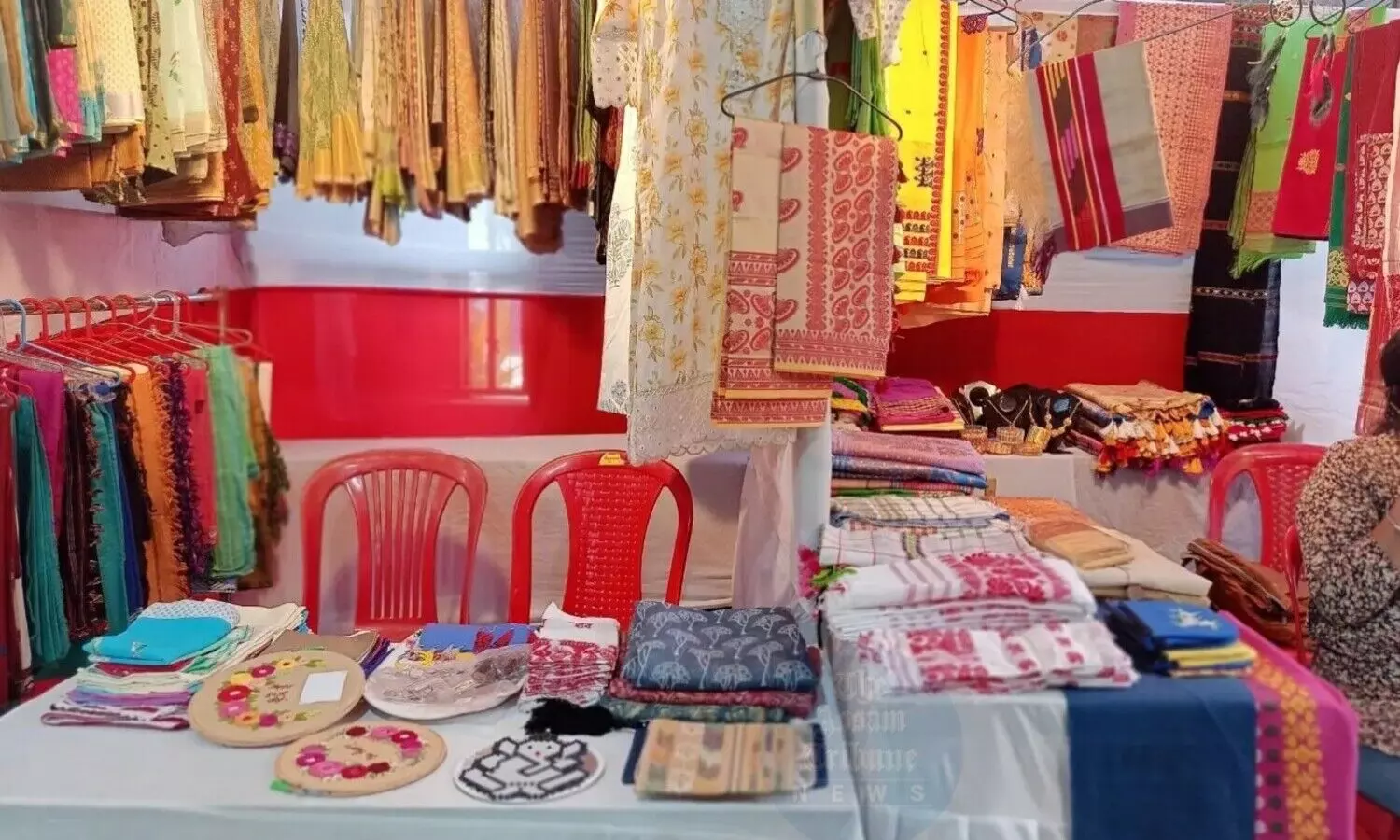
Alongside policy discussions, a special national exhibition of Indian handlooms and handicrafts will be organised. Curated by the offices of the Development Commissioner (Handlooms) and Development Commissioner (Handicrafts), the exhibition will showcase the diversity of India’s textile heritage.
Visitors will be able to see how traditional skills are being combined with innovation, improved designs, and market readiness. The exhibition will also serve as a meeting point for artisans, designers, buyers, and policymakers.
A Platform for Collaboration and Shared Growth
The National Textiles Meet Guwahati is more than a conference. It is a platform for collaboration where states and the Centre can learn from each other and work towards common goals. Ministers and officials from different regions will share experiences, policy ideas, and successful models that can be adapted elsewhere.
By hosting the meet in Guwahati, the event sends a clear message that India’s textile future is inclusive and regionally balanced. As discussions unfold over the two days, the focus will remain on weaving growth, preserving heritage, and embracing innovation to build a resilient and globally competitive textile sector for India.