Gaganyaan and Artemis-II Mark a New Era in Human Spaceflight

Gaganyaan and Artemis-II are set to define a historic moment in global space exploration as India and the United States prepare for two major human spaceflight missions in 2026. These missions highlight how space travel is moving into a new phase—one that is more ambitious, more cooperative, and no longer led by just a few countries. Together, they show how nations are shaping the future of human presence beyond Earth.
Thank you for reading this post, don't forget to subscribe!A New Chapter for Human Space Travel
The year 2026 is shaping up to be a turning point for space missions involving humans. Gaganyaan and Artemis-II together reflect growing confidence in advanced space technology, as India’s Gaganyaan programme and NASA’s Artemis-II mission move closer to launch. While their goals are different, both missions focus on improving safety, testing key systems, and gaining experience needed for long-term space journeys.
India is focusing on mastering human spaceflight in low-Earth orbit through Gaganyaan and Artemis-II–era developments, while the United States is preparing to send astronauts back toward the Moon. This shared timeline highlights how Gaganyaan and Artemis-II symbolize a new phase where space exploration is becoming more global, collaborative, and interconnected.
Gaganyaan Takes India Closer to Human Spaceflight
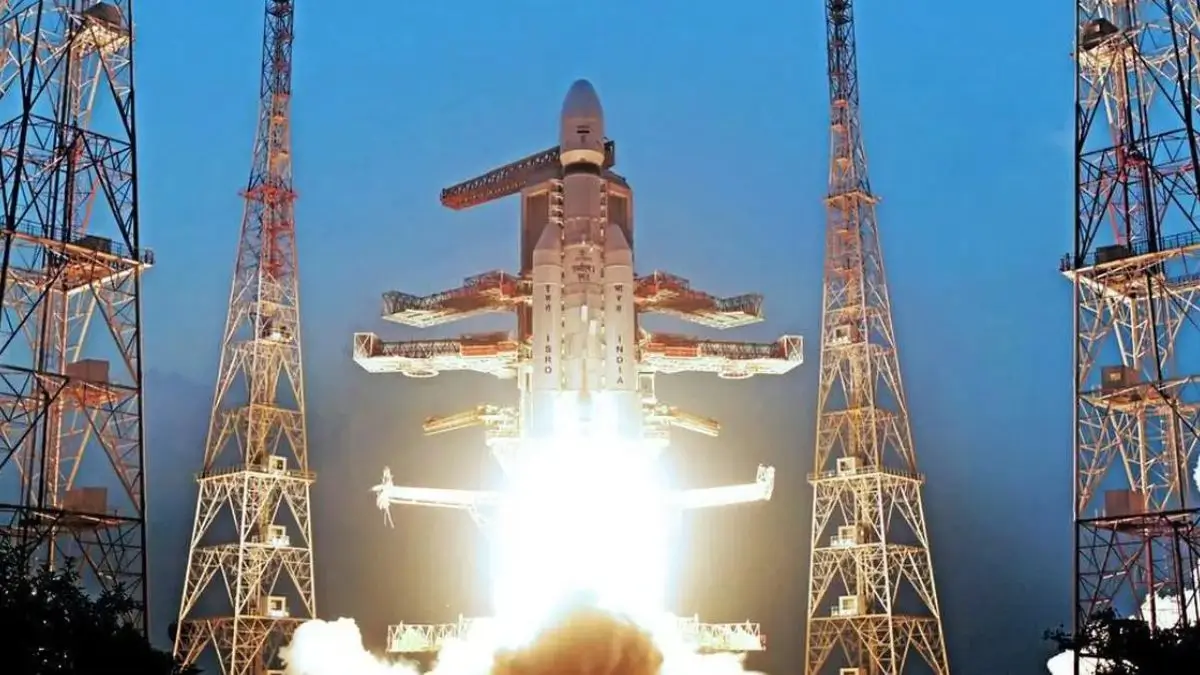
India is preparing for an important uncrewed mission under its Gaganyaan programme, known as G1. This mission is expected to take place around March 2026 and will be launched by the Indian Space Research Organisation using the human-rated LVM3 rocket.
Instead of astronauts, the spacecraft will carry Vyommitra, a humanoid robot designed to behave like a human crew member. Vyommitra will monitor conditions inside the spacecraft, respond to commands, and provide valuable data on how systems perform in space. The mission will place the spacecraft in low-Earth orbit at a height of around 300 to 400 kilometres above Earth.
This flight will act as a full rehearsal for future crewed missions and will help ISRO understand how the spacecraft behaves in real space conditions.
Why the Gaganyaan Mission Matters
The G1 mission is not just a test flight—it is a major step toward India’s first human space journey. The mission will check vital systems such as life support, communication links, crew safety features, re-entry control, and sea recovery using parachutes.
Success will show that India can independently launch, manage, and safely bring back a human-rated spacecraft. This ability places India among a small group of countries with complete human spaceflight capability. It also supports India’s long-term goals, including space stations, commercial launches, and deeper involvement in global space projects.
Artemis-II Prepares for a Return to the Moon
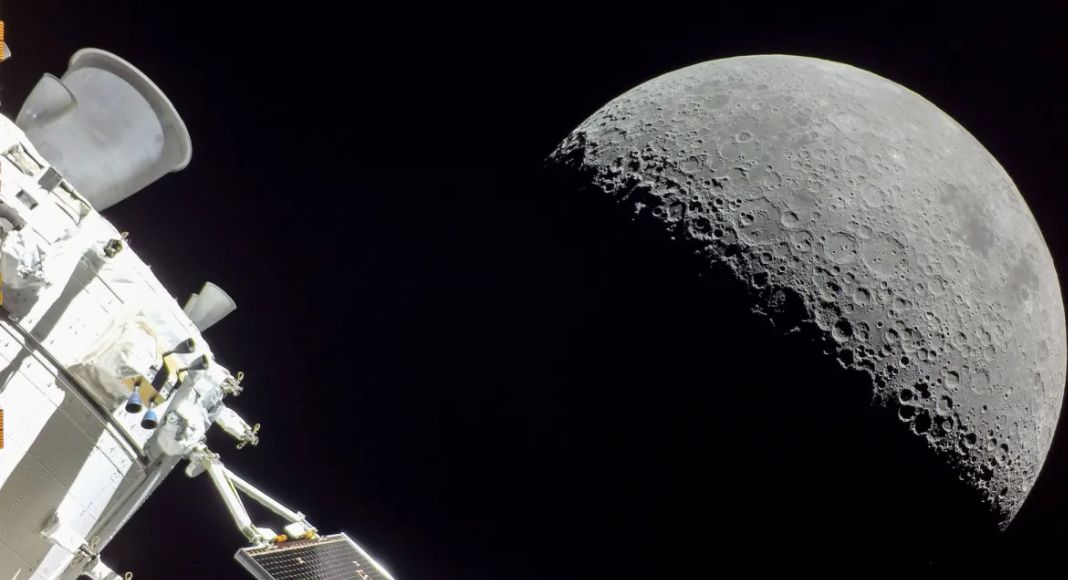
At the same time, NASA is working toward Artemis-II, a mission planned for no earlier than February 5, 2026. This mission will carry four astronauts aboard the Orion spacecraft, launched by the powerful Space Launch System rocket.
Artemis-II will send humans beyond low-Earth orbit and around the Moon, something not done since the Apollo era ended in 1972. The spacecraft will travel thousands of kilometres beyond the Moon, setting a new distance mark for human space travel.
This mission is a key step in NASA’s plan to build a lasting human presence near the Moon and prepare for future journeys to Mars.
Two Missions, One Shared Future
While Gaganyaan focuses on building strong foundations in Earth orbit, Artemis-II looks toward deep space. Together, these missions show how space exploration is evolving—from short missions close to Earth to longer journeys that prepare humans for life beyond our planet.
The lessons learned in 2026 will shape space travel plans for many years. As Gaganyaan and Artemis-II move forward, they signal a future where space exploration is driven by shared ambition, advanced technology, and a growing number of spacefaring nations.