Bhoramdev Corridor Project Launched to Transform Heritage Tourism in Chhattisgarh

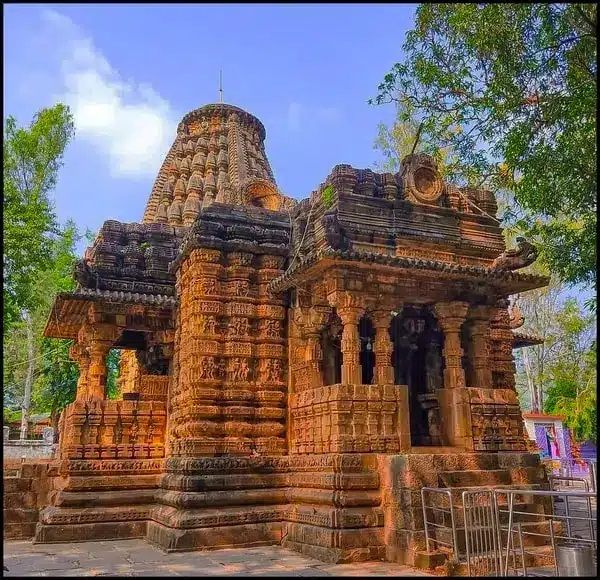
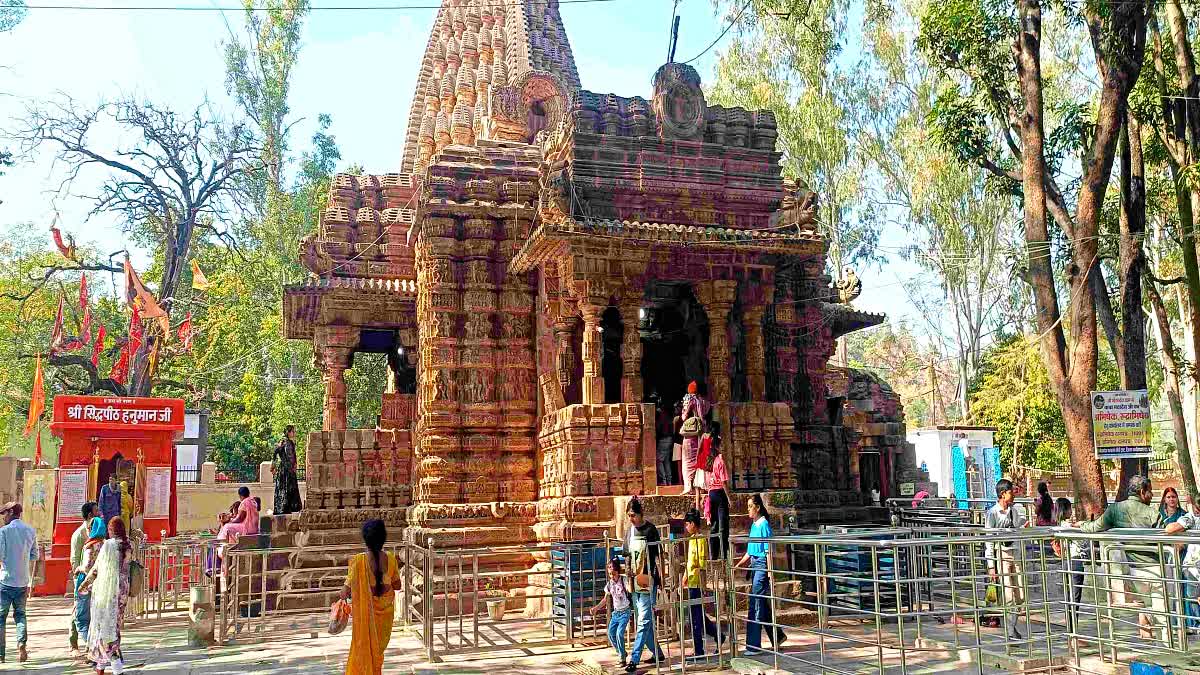
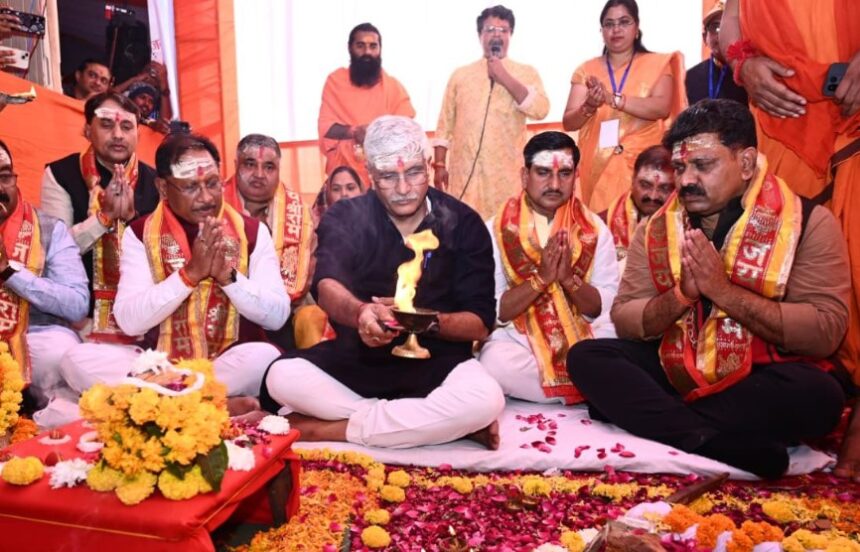
Bhoramdev Corridor Project Launched in a significant step towards strengthening heritage-based tourism, the foundation stone of the ambitious Bhoramdev Corridor Development Project was laid at the historic Bhoramdev Dham in Kabirdham district of Chhattisgarh. This project is designed to improve facilities for pilgrims and tourists while carefully protecting the rich cultural, spiritual, and architectural heritage of the Bhoramdev Temple complex, one of the most important heritage sites in central India.
Bhoramdev Corridor Project Launched: A New Chapter for Heritage and Pilgrimage Tourism
The launch of the Bhoramdev Corridor Project marks an important moment for Chhattisgarh’s tourism journey. Bhoramdev Dham has long been a place of deep religious faith and historical pride, attracting devotees, history lovers, and art enthusiasts from different parts of the country. However, limited infrastructure and basic amenities have often restricted the overall visitor experience.
Thank you for reading this post, don't forget to subscribe!The new corridor project aims to change this by creating a well-planned and visitor-friendly environment. The focus is not only on development but also on preserving the soul of the temple and its surroundings. By blending tradition with modern facilities, the project seeks to make Bhoramdev Dham more accessible, comfortable, and meaningful for visitors of all ages.
Bhoramdev Corridor Project Launched with Strong Leadership Behind the Initiative
The foundation stone of the project was jointly laid by Chhattisgarh Chief Minister Vishnu Deo Sai and Union Minister for Tourism and Culture Gajendra Singh Shekhawat. Their presence highlighted the strong cooperation between the Centre and the State in promoting tourism-led development.
Both leaders emphasised that heritage sites are not just places of worship but also living symbols of India’s cultural identity. The Bhoramdev Corridor Project reflects a shared vision to protect these symbols while ensuring that development reaches local communities in a sustainable and respectful way.
Bhoramdev Corridor Project Launched Under Swadesh Darshan Scheme 2.0 and Project Vision
The Bhoramdev Corridor Development Project is being carried out under the Central Government’s Swadesh Darshan Scheme 2.0. This scheme focuses on theme-based tourism development with special attention to sustainability, destination management, and long-term planning.
With an estimated cost of around ₹146 crore, the project follows the successful model of the Kashi Vishwanath Corridor. That project showed how heritage conservation and modern urban planning can work together to enhance pilgrim experiences without harming the historical character of sacred sites.
At Bhoramdev, the same approach will be applied. Infrastructure improvements will be planned in a way that respects the temple’s ancient design, natural surroundings, and spiritual atmosphere.
Timeless Glory of the Bhoramdev Temple
The Bhoramdev Temple is often called the “Khajuraho of Chhattisgarh” because of its stunning stone carvings and architectural beauty. Built centuries ago, the temple stands as a fine example of ancient Indian craftsmanship. The detailed sculptures on its walls reflect religious stories, daily life, and artistic excellence from a bygone era.
Apart from its architectural value, the temple holds deep religious importance. Devotees visit the shrine throughout the year, especially during festivals and special occasions. Its location amid hills and forests adds to its peaceful and spiritual charm, making it a unique destination for both pilgrims and tourists.
What the Corridor Will Offer
The Bhoramdev Corridor Project aims to provide modern facilities that meet the needs of today’s visitors. Planned developments include better approach roads, pedestrian pathways, improved lighting, clean drinking water facilities, rest areas, and well-managed public spaces.
The project will also focus on improving crowd management during peak seasons, ensuring safety and comfort for devotees. Signage, interpretation centres, and information facilities will help visitors understand the history and significance of the temple more clearly.
Importantly, all these developments will be carried out while maintaining harmony with the existing landscape and heritage structures.
Boost to Local Economy and Livelihoods
One of the most promising aspects of the Bhoramdev Corridor Project is its potential to support the local economy. Increased tourist footfall is expected to create new opportunities for local residents, including jobs in hospitality, transport, guiding services, handicrafts, and small businesses.
Local artisans and craftsmen may benefit from greater exposure, as visitors often seek traditional products and souvenirs connected to the cultural identity of the region. This can help preserve traditional skills while providing sustainable income sources.
The project is also expected to encourage the development of nearby villages by improving connectivity and basic services, contributing to overall regional growth.
Cultural Preservation Alongside Development
A key strength of the project lies in its balanced approach. While development is essential, the project places equal importance on protecting cultural and historical values. Conservation experts and planners are expected to ensure that new structures and facilities do not disturb the original temple architecture or its spiritual setting.
By promoting responsible tourism, the project aims to create awareness among visitors about the importance of heritage conservation. This approach helps ensure that future generations can continue to experience and appreciate the cultural richness of Bhoramdev Dham.
Looking Ahead for Bhoramdev Dham
The Bhoramdev Corridor Project Launched represents more than just an infrastructure upgrade. It signals a broader commitment to using tourism as a tool for inclusive growth, cultural pride, and sustainable development.
As the project progresses, Bhoramdev Dham is likely to emerge as a major spiritual and heritage tourism hub in central India. With improved facilities, better management, and a renewed focus on preservation, the site is set to offer a richer and more fulfilling experience to visitors while strengthening the cultural identity and economic future of the region.