Karnataka Hate Speech Bill Reserved

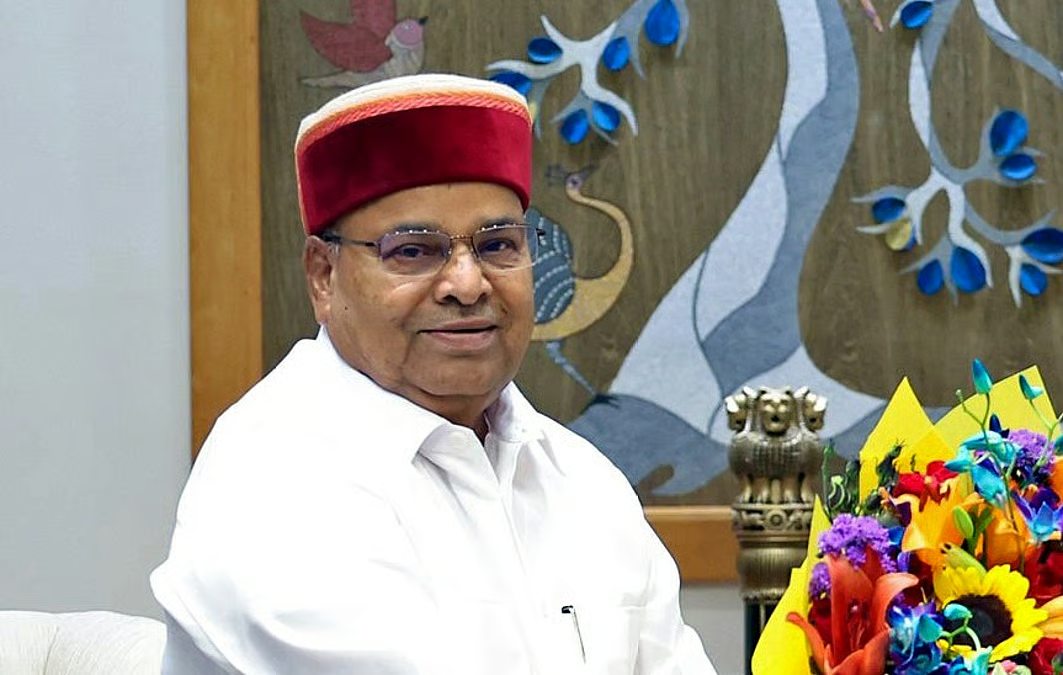
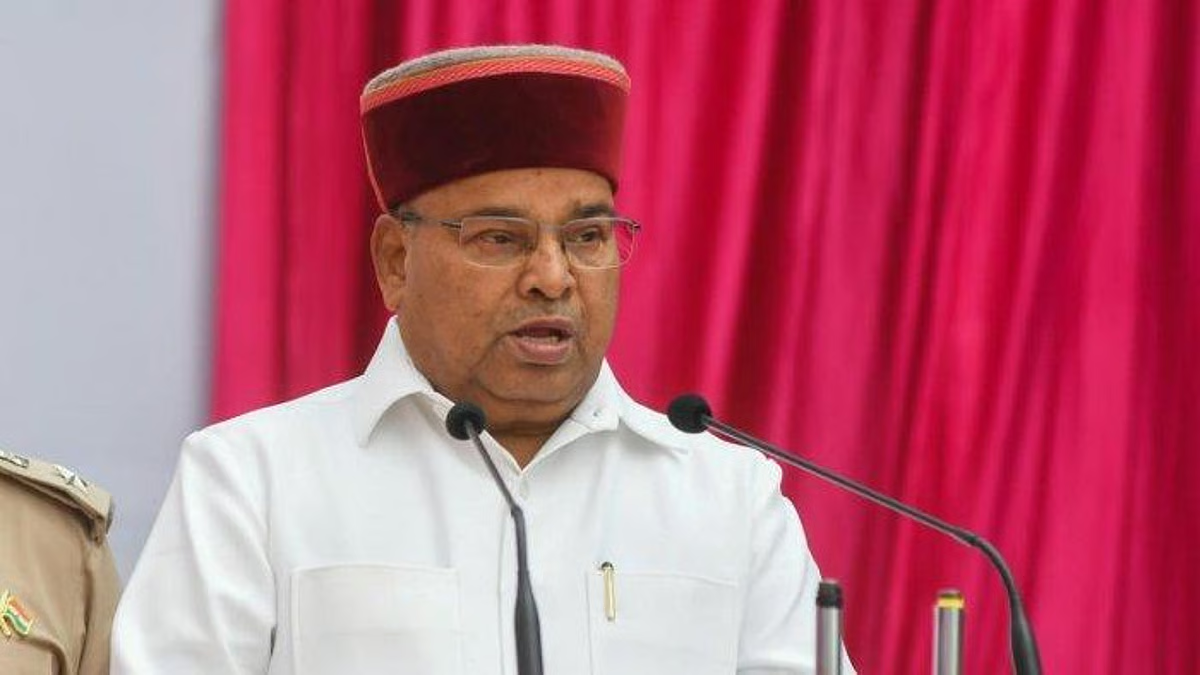
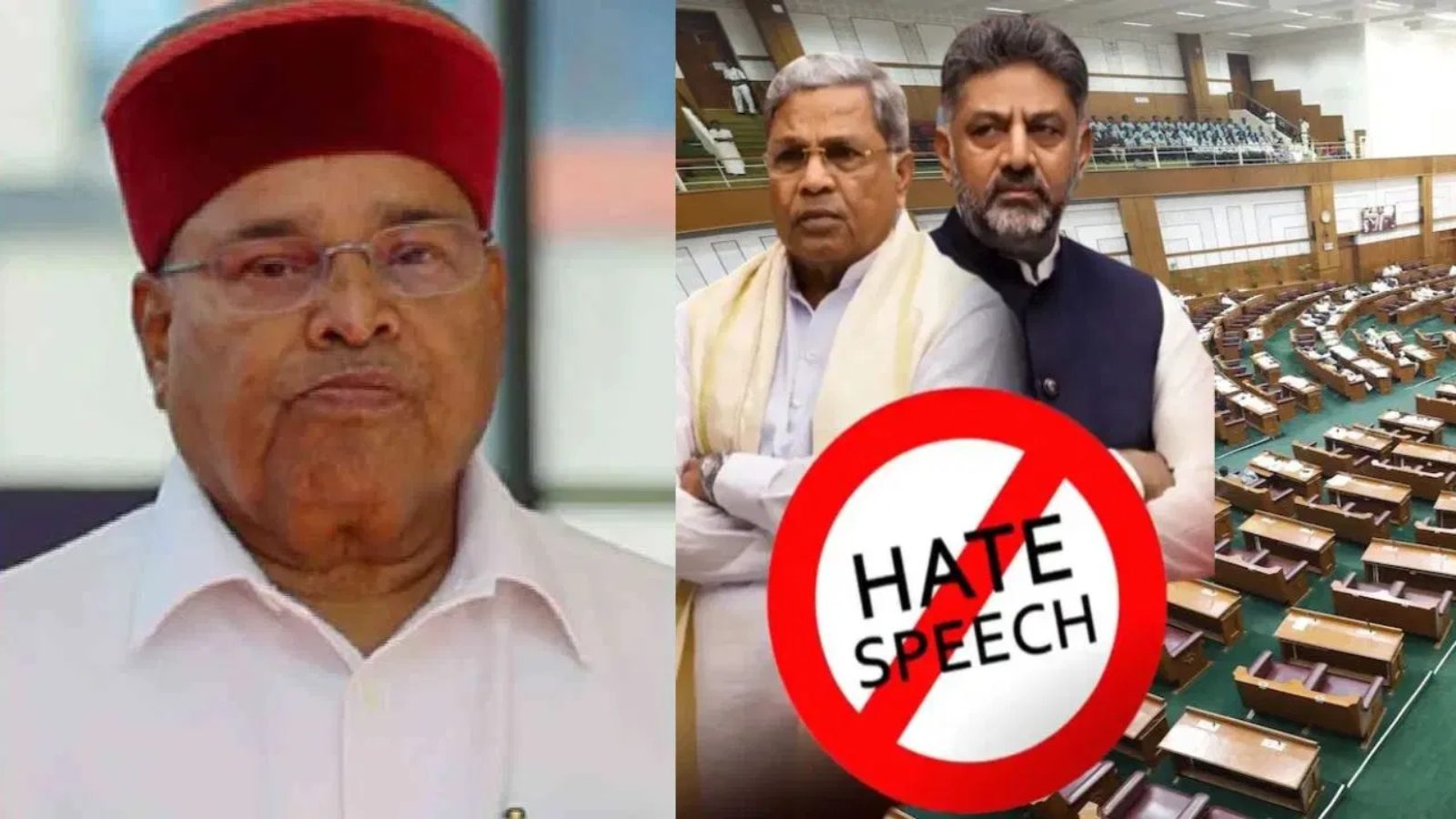
Karnataka Governor Thaawar Chand Gehlot has reserved the Karnataka Hate Speech Bill Reserved for the consideration and assent of the President of India. The decision comes after concerns were raised about constitutional, legal, and procedural aspects of the legislation, temporarily pausing its implementation. The Bill had been passed during the winter session of the state legislature held in Belagavi in December 2025.
Thank you for reading this post, don't forget to subscribe!Governor’s Use of Constitutional Powers
Under the Constitution of India, the Governor has the authority to reserve certain Bills for the President’s consideration. In this case, Articles 200, 201, and 254 were invoked. These provisions allow the Governor to forward a Bill if it appears to conflict with the Constitution or with central laws. This step indicates that the proposed law raises questions that go beyond the legislative powers of the state government.
The Governor’s action also reflects a careful check on state legislation, ensuring it aligns with national legal standards and respects citizens’ constitutional rights. By reserving the Bill, the Governor has temporarily prevented its enactment until the President examines its validity.
Key Provisions of the Bill
The Karnataka Hate Speech and Hate Crimes (Prevention) Bill, 2025 aims to curb hate speech and related crimes in the state. Hate speech is defined broadly as any statement, expression, or communication that harms or creates disharmony against an individual or group based on religion, race, caste, gender, sexual orientation, place of birth, or disability.
The Bill gives the state government powers to regulate online content, including the authority to block or remove material considered hateful. It also increases the severity of punishments and fines and broadens the scope of offences to include both physical and digital forms of hate speech.
Enhanced Punishments and Organisational Accountability
One of the key features of the Bill is its expanded punishment structure. Aligned with Bharatiya Nyaya Sanhita Sections 196(1) and 196(2), it allows imprisonment of up to seven years, even for first-time offences. Financial penalties are also significant, with fines ranging from ₹50,000 for a first offence to ₹1 lakh for repeat offences.
Another notable provision is organisational and leadership accountability. Leaders and office-bearers of registered or unregistered organisations can be held responsible for hate speech connected to events or activities conducted under their banner. This means that not only individuals but also institutions promoting hateful messages can face legal consequences.
Concerns About Vagueness and Due Process
Despite its intentions, the Bill has faced criticism for being vaguely worded. The Governor highlighted that its definition of hate speech could potentially include normal speech, academic discussion, or intellectual debate, raising the risk of misuse.
Reports suggest that the Lok Bhavan received around 40 representations opposing the Bill, warning that it could lead to arbitrary enforcement. Procedural issues were also cited, including limited public consultation, insufficient interdepartmental review, and inadequate discussion in the Assembly. Critics argue that these shortcomings may conflict with Articles 14, 19, and 21 of the Constitution, which protect equality, freedom of speech, and personal liberty. There are also concerns about potential overlap or conflict with central laws, making the Bill legally sensitive.
Political and Public Reactions
The reservation of the Bill has sparked debate among political leaders, legal experts, and civil society. Supporters say it is a necessary step to prevent communal disharmony and hold people accountable for hate speech. Opponents argue that the Bill, in its current form, could suppress legitimate expression and intellectual debate.
Public discussions on social media and in print have reflected a mix of opinions, with some citizens emphasizing the importance of free speech and others pointing to the need for stronger laws to combat rising hate crimes.
Next Steps for Karnataka Hate Speech Bill Reserved
The reserved Bill will now await the President’s scrutiny. The central government may provide guidance, suggest amendments, or approve it with or without modifications. Until that process is complete, the Karnataka Hate Speech Bill cannot be implemented, keeping the state in a pause on this critical legislation.
This decision by Governor Gehlot underscores the careful balancing act between protecting citizens from hate crimes and preserving constitutional freedoms. The debate around the Bill is likely to continue, reflecting the challenges of framing laws in sensitive areas of public expression and social harmony.