Draft National Electricity Policy 2026 Sets New Direction for India’s Power Sector

The Union Ministry of Power has released the Draft National Electricity Policy 2026 and invited comments from the public, industry players, and state governments. This draft policy sets out a long-term plan to reshape India’s power sector so it can meet the country’s growing energy needs while staying affordable and cleaner. Once approved, it will replace the National Electricity Policy of 2005, which no longer reflects the major changes seen in the power sector over the last twenty years.
Thank you for reading this post, don't forget to subscribe!The new draft aligns with India’s long-term development vision and aims to ensure that electricity remains reliable, accessible, and sustainable for everyone in the coming decades.
How India’s Power Sector Has Changed Over Time
Since 2005, India’s electricity sector has gone through a major transformation. Power generation capacity has increased nearly four times, with private companies playing a much bigger role than before. A single national power grid became operational in 2013, allowing electricity to flow smoothly across states. By March 2021, electricity reached every household in the country, marking a major milestone.
Electricity use has also risen steadily. Average electricity consumption per person reached around 1,460 units in 2024–25. Despite these gains, the draft policy points out that some deep-rooted problems remain, especially in power distribution. Many distribution companies continue to struggle with heavy losses, rising debt, tariffs that do not match actual costs, and a system where some users pay more to cover subsidies for others.
Power Demand Growth and Climate Commitments
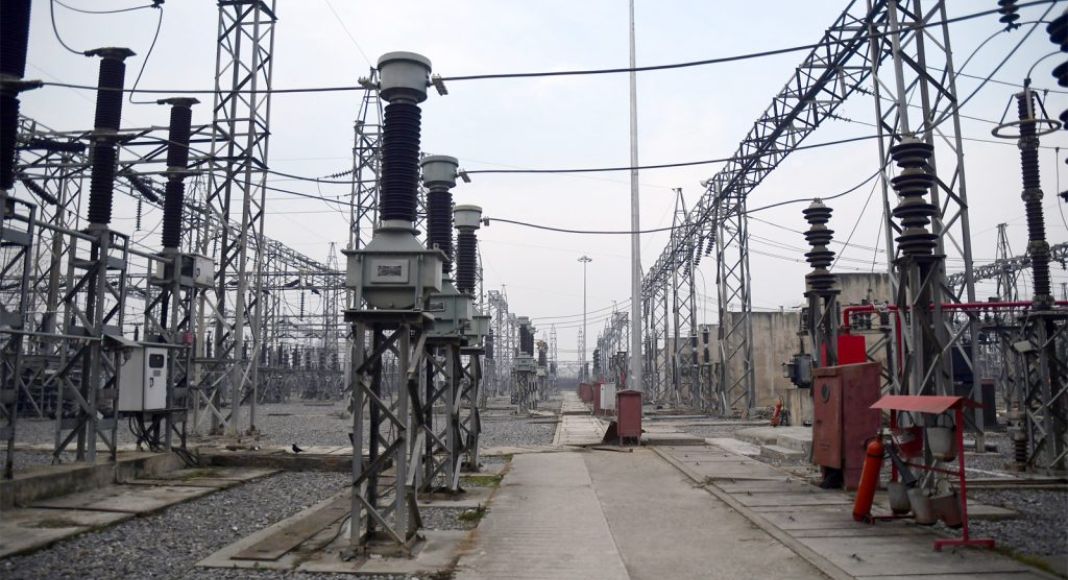
The Draft National Electricity Policy 2026 sets clear goals for future electricity use. It aims to raise per capita electricity consumption to about 2,000 units by 2030 and to more than 4,000 units by 2047. These targets reflect expectations of economic growth, increased use of electric vehicles, and higher electricity demand from homes, industries, and services.
At the same time, the policy keeps climate goals in focus. India has committed to cutting the emissions intensity of its economy by 45 per cent by 2030 compared to 2005 levels and to achieving net-zero emissions by 2070. The draft policy tries to strike a balance between meeting rising power demand, keeping electricity affordable, and reducing environmental impact.
Reforms Planned Across the Power System
A major focus of the draft policy is improving planning and financial health across the power value chain. Distribution companies and state load dispatch centres will be required to plan their power needs in advance to ensure enough supply at all times. These efforts will be supported by a national-level plan prepared by the Central Electricity Authority.
On the financial side, the policy suggests regular yearly updates to electricity tariffs so prices better reflect actual costs. It also proposes greater use of demand-based charges and gradual reduction of cross-subsidies, particularly for sectors such as manufacturing, railways, and metro services. These steps are meant to reduce losses and improve the financial stability of distribution companies.
Draft National Electricity Policy: Clean Energy, Storage, and Power Markets
The draft policy places strong emphasis on expanding renewable energy. It supports faster growth of solar and wind power, along with battery energy storage systems to manage supply during peak demand. New ideas such as peer-to-peer power trading are also encouraged, allowing consumers to trade electricity directly.
By 2030, the policy aims to treat renewable energy and conventional power equally in scheduling and grid operations. This move is expected to make renewable power more dependable and easier to integrate into the grid.
Modern Grids and a Diverse Energy Mix
Looking ahead to 2047, the policy proposes increasing nuclear power capacity to about 100 gigawatts, including the use of small and modular reactors. It also supports faster development of hydropower projects with storage and the pairing of storage systems with thermal plants.
Other key areas include upgrading transmission networks, improving power markets, strengthening grid cybersecurity, and promoting local manufacturing of critical technologies like grid control systems by 2030. Overall, the Draft National Electricity Policy 2026 presents a forward-looking plan to deliver reliable, affordable, and cleaner electricity for India’s future, while inviting public feedback before it is finalised.