Zero Fresh Waste City: Lucknow Sets a New Urban Example

Zero Fresh Waste City is how Lucknow, the capital of Uttar Pradesh, is now being described as it moves ahead as a strong example of modern and responsible city living. With a fast-growing population of nearly 40 lakh people and around 7.5 lakh shops, offices, and institutions, managing daily waste has always been a big challenge. Instead of allowing this problem to grow, the city has taken smart and practical steps to handle waste in a better way.
Thank you for reading this post, don't forget to subscribe!Today, Lucknow proudly stands as Uttar Pradesh’s first Zero Fresh Waste City, where no new garbage is dumped in open areas. This important achievement reflects careful planning, steady investment, and a clear focus on protecting the environment and public health while keeping the city clean and liveable for its residents.
A Major Step Towards Cleaner Waste Handling
The biggest reason behind Lucknow becoming a Zero Fresh Waste City is the start of its third fresh waste processing plant at Shivari. With this new facility, the city now has three fully working waste processing plants. Together, they can handle more than 2,100 metric tonnes of waste every single day.
The Shivari plant alone can process 700 metric tonnes of waste daily. Because of this combined capacity, all the waste collected in the city is now treated in a scientific way. Open dumping grounds are no longer needed for fresh waste, making the city cleaner and safer for residents.
How Waste Is Collected and Sorted Daily
Every day, Lucknow produces close to 2,000 metric tonnes of waste from homes, markets, offices, and public spaces. This waste is managed jointly by the Lucknow Municipal Corporation and Bhumi Green Energy. One of the most important steps in this process is waste separation.
Waste is divided into two main types. About 55 per cent is organic waste such as food leftovers and garden waste. The remaining 45 per cent is inorganic waste like plastic, metal, and paper. Organic waste is turned into compost and biogas, while inorganic waste is recycled or converted into Refuse Derived Fuel, also known as RDF.
Door-to-door garbage collection covers more than 96 per cent of the city. Many households now separate their waste at home, helping the system work smoothly and reducing pressure on processing plants.
Clearing Old Garbage and Reclaiming Land
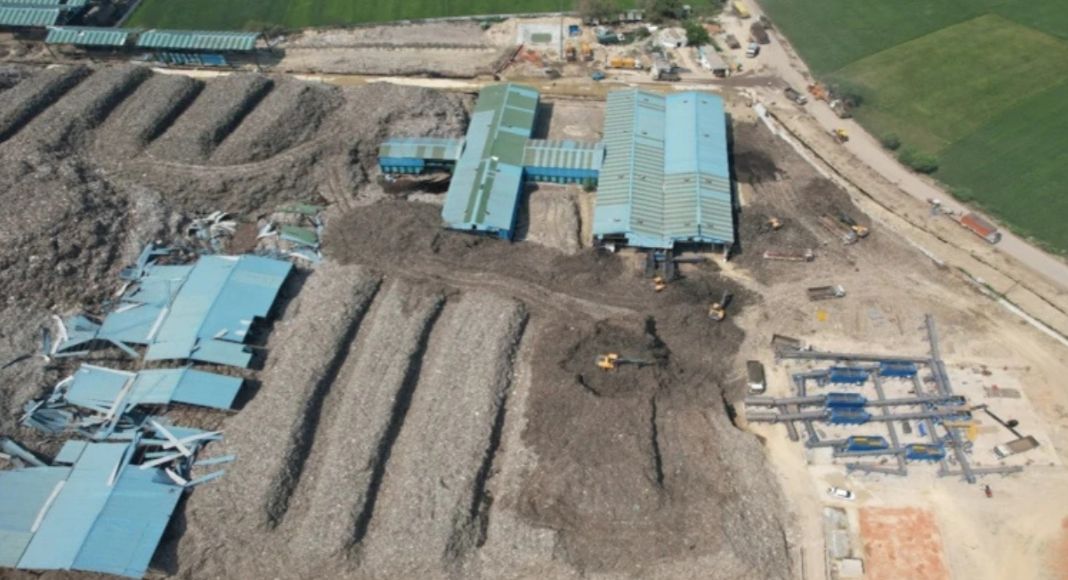
Apart from managing daily waste, Lucknow has also focused on removing old garbage piles that had built up over the years. Out of nearly 18.5 lakh metric tonnes of old waste, more than 12.8 lakh metric tonnes has already been treated.
The processed material is reused in different ways. Some of it becomes RDF, some is used in construction work, and some turns into bio-soil. This effort has helped recover more than 25 acres of land. The reclaimed area now has modern waste facilities, internal roads, sheds, and weighing systems, creating a complete waste treatment zone instead of a dumping ground.
Power Generation from Waste in the Future
Lucknow’s journey as a Zero Fresh Waste City does not stop here. The city plans to set up a 15 megawatt waste-to-energy plant at Shivari. This plant will use 1,000 to 1,200 metric tonnes of RDF every day to produce electricity.
This step will reduce the need to transport waste to faraway cement plants and lower fuel costs. At the same time, it will generate clean power, turning waste into a valuable resource.
A Model for Other Cities
Lucknow’s waste management system follows the idea of using resources wisely and reducing waste wherever possible. By recycling, reusing, and producing energy from waste, the city is cutting down landfill use and protecting natural resources.
As India’s cities continue to grow, Lucknow’s success as a Zero Fresh Waste City shows that clean, organised, and sustainable waste management is achievable. Its journey offers a practical roadmap for other cities aiming for a healthier and greener future.