


Swiss Glacier Melt Hits Record in 2026

Swiss Glacier Melt reached an extreme level in 2026, with Switzerland’s glaciers losing more than 5% of their total ice volume during the year. A winter with very low snowfall followed by record-breaking summer heatwaves created difficult conditions for glaciers across the Swiss Alps.
Thank you for reading this post, don't forget to subscribe!The Aletsch Glacier, Switzerland’s largest glacier, recorded its biggest annual melt on record in 2026. The Rhône Glacier and Clariden Glacier also experienced their greatest recorded melt during the same year, highlighting the scale of ice loss across the country.
Switzerland Loses 5.5% of Glacier Volume
Between the 2025 and 2026 measurement seasons, Switzerland’s total glacier ice volume declined by approximately 5.5%. The loss was driven by a combination of limited snow accumulation during winter and unusually high temperatures during summer.
The average thickness of Swiss glaciers decreased by around 2.5 to 4 metres during 2026. Some glacier tongues lost as much as 10 metres of ice.
The latest figures show how quickly glacier conditions can change when snowfall is low and temperatures remain high for extended periods.
Aletsch Glacier Records Biggest Melt
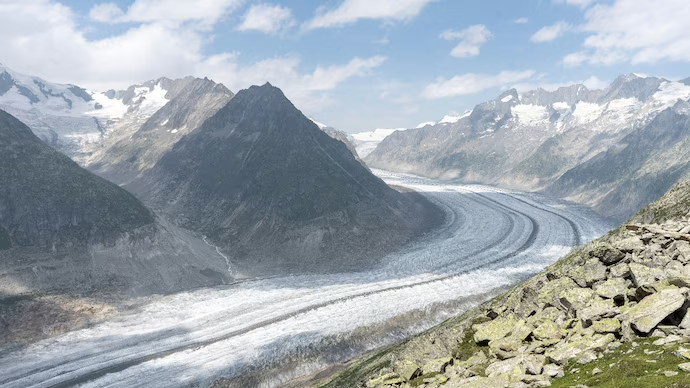
The Aletsch Glacier, located in the Bernese Alps, is the largest glacier in Switzerland in terms of both area and ice volume. It recorded its largest-ever melt in 2026.
The glacier is one of the best-known ice formations in the Swiss Alps and has been monitored for changes in its size and mass. Its latest loss is part of a wider pattern affecting glaciers across Switzerland.
The Aletsch Glacier’s condition is closely watched because changes in large glaciers provide important information about the state of the Alpine cryosphere.
Rhône and Clariden Glaciers Also Affected
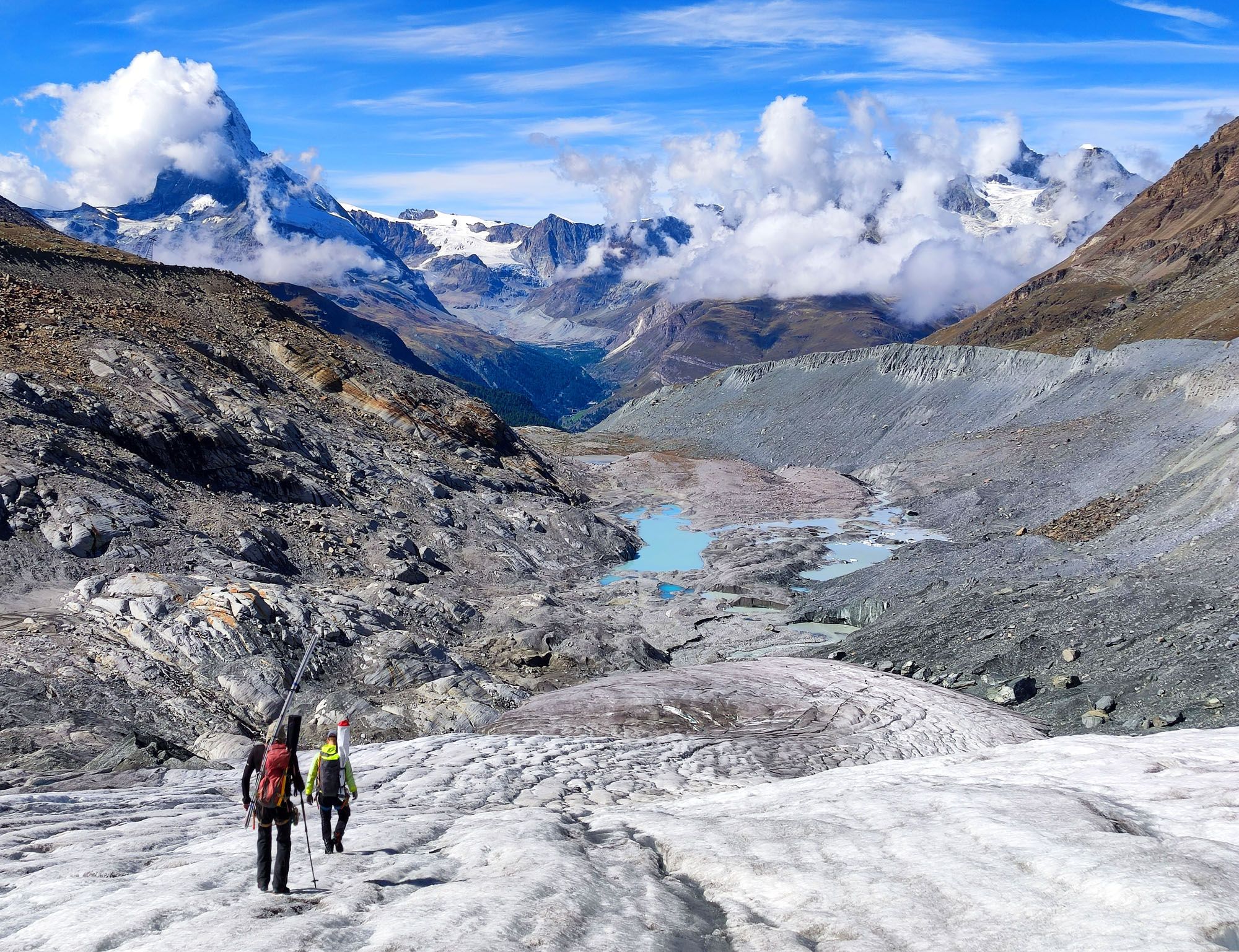
The Rhône Glacier and Clariden Glacier also recorded their greatest annual melt in 2026.
These glaciers are among the Swiss glaciers that have been monitored over long periods. Measurements of their ice thickness, length and mass help scientists understand how Alpine glaciers respond to changes in temperature and snowfall.
The simultaneous record melt at several major glaciers indicates that the 2026 conditions were not limited to one particular part of Switzerland.
Low Snowfall and Summer Heat
The extreme Swiss Glacier Melt in 2026 was linked to two major weather factors. The winter season brought unusually little snow, leaving glaciers with less fresh snow to protect their existing ice.
During summer, Switzerland experienced record-breaking heatwaves. High temperatures increased the rate at which exposed glacier ice melted.
Snow is important for glaciers because it adds new mass and can also reflect sunlight. When snow cover is limited, darker ice and exposed surfaces can absorb more solar energy, contributing to faster melting.
Nearly 20% Ice Loss in Five Years
The latest measurements indicate that Switzerland has lost nearly 20% of its total glacier volume during the past five years.
This rapid decline has affected both large glaciers and smaller ice bodies across the Swiss Alps. Some small glaciers have become too small to continue existing as separate glaciers.
In 2026, glaciers including Bella Tola in Valais and Griessfirn in Glarus disappeared completely.
The disappearance of smaller glaciers is an important sign of the continuing changes taking place in Alpine mountain environments.
GLAMOS Tracks Glacier Changes
The Glacier Monitoring in Switzerland, known as GLAMOS, is responsible for monitoring the country’s glaciers. It tracks changes in glacier mass balance, length and ice volume.
GLAMOS uses different methods to collect information, including field measurements, aerial observations and remote sensing.
Matthias Huss, director of GLAMOS, described 2026 as an extreme year for Swiss glaciers. According to the monitoring service, several years of unusually high glacier melt have occurred successively since 2022.
Long-term measurements are important because a single year can be affected by unusual weather, while data collected over many years can show broader changes in glacier conditions.
Billions of Litres of Meltwater Released
The large-scale Swiss Glacier Melt also released a huge amount of water. Between May and September 2026, melting glaciers released around 2.2 trillion litres of water.
Glacier melt contributes water to rivers and other water systems during warmer months. However, continued glacier loss can change the way mountain regions receive and store water over longer periods.
Glaciers act as natural stores of frozen water. They accumulate snow and ice over colder periods and release water as they melt. Significant long-term ice loss can therefore affect Alpine water systems.
Impact on the Alpine Environment
Switzerland has around 1,400 glaciers, with most located in the Alps. These glaciers form part of the Alpine cryosphere, which includes snow, ice and permafrost.
Glaciers are also connected with mountain ecosystems and landscapes. Changes in ice cover can affect streams, valleys and habitats that depend on seasonal water flows.
The loss of glacier ice can also change the appearance and structure of mountain landscapes. As glaciers retreat, previously covered areas can become exposed, while unstable slopes and changing water channels may create new environmental challenges.
Record Melt Highlights Continuing Changes
The Swiss Glacier Melt recorded in 2026 adds to a series of extreme glacier-loss years in Switzerland. Low winter snowfall and intense summer heat created particularly difficult conditions for the country’s glaciers.
The record losses at Aletsch, Rhône and Clariden glaciers, along with the disappearance of smaller glaciers, show the scale of change taking place across the Swiss Alps.
Continued monitoring by GLAMOS and other scientific organisations will provide further information on glacier thickness, ice volume and retreat in the coming years.