


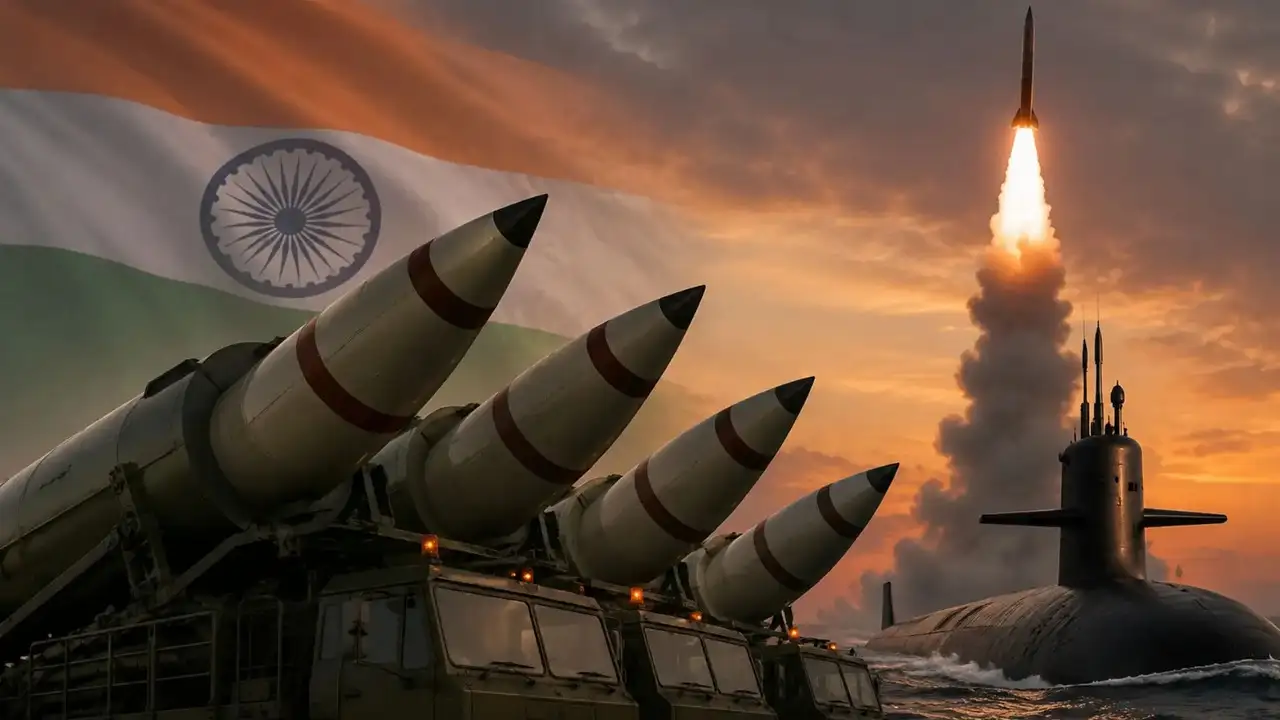
India Nuclear Arsenal Reaches 190

India Nuclear Arsenal has reached an estimated 190 warheads as of early 2026, according to global research assessments. This places India among the countries that maintain nuclear weapons as part of their national security strategy.
Thank you for reading this post, don't forget to subscribe!The increase reflects ongoing efforts to strengthen defence systems and maintain a balanced approach to regional security. India continues to follow a policy focused on deterrence rather than aggression.
India’s Nuclear Strategy and Policy
India follows a strategy known as minimum credible deterrence. This means the country maintains enough nuclear capability to prevent threats but does not aim for excessive stockpiles.
Another key part of India’s policy is the no-first-use principle. Under this approach, nuclear weapons would only be used in response to a nuclear attack. This policy plays an important role in shaping India’s global image as a responsible nuclear power.
These strategies are designed to maintain stability while ensuring national security.
Delivery Systems and Military Capability
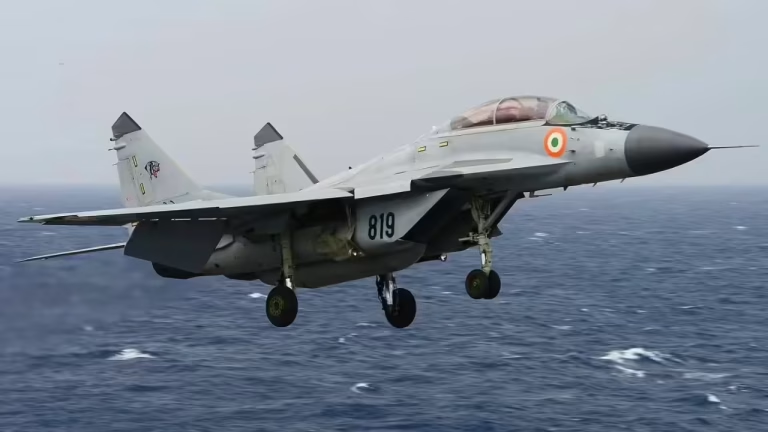
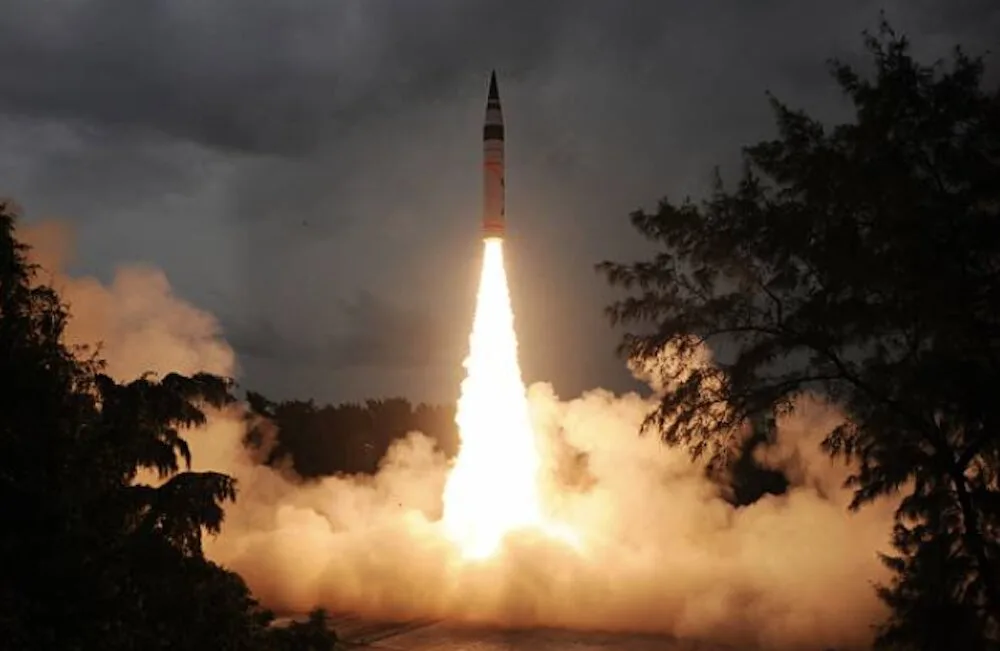
India’s nuclear weapons can be delivered through multiple platforms. These include aircraft, land-based missiles, and sea-based systems. This combination is often referred to as a nuclear triad.
Having different delivery systems increases flexibility and improves overall defence readiness. It also ensures that the country can respond effectively in different situations if required.
In recent years, India has continued to develop longer-range missile systems. These advancements are aimed at improving reach and strengthening deterrence capabilities.
India Nuclear Arsenal Reaches 190 highlights India’s growing focus on strategic deterrence, advanced missile systems, and modern defence capabilities in 2026.
Advancements in Missile Technology
Missile technology is a key area of development within India’s defence system. One major focus is on systems that can carry multiple warheads.
These advanced systems allow a single missile to target more than one location. This improves efficiency and enhances strategic capability.
India is also working on canister-based missile systems. These systems store missiles in sealed containers, allowing for faster launch readiness and better protection during storage and transport.
Strengthening Sea-Based Defence
Sea-based nuclear capability is an important part of India’s defence structure. Nuclear-powered submarines play a major role in this area.
These submarines can carry nuclear missiles and operate underwater for long periods, making them difficult to detect. This increases the survivability of nuclear forces and adds a strong layer to national security.
Reports suggest that limited deployment of nuclear warheads on such submarines has already started for strategic patrols. This step strengthens the sea-based component of the nuclear triad.
Regional Security and Strategic Balance
India’s nuclear planning is influenced by regional security conditions. Relations with neighbouring countries, especially those with nuclear capabilities, play a role in shaping defence strategies.
Recent developments in South Asia have highlighted the importance of maintaining balance and avoiding escalation. Both India and Pakistan continue to focus on deterrence to prevent conflict from rising to dangerous levels.
This balance is essential for maintaining peace and stability in the region.
Global Nuclear Scenario in 2026
The global nuclear landscape continues to evolve. As of 2026, several countries maintain nuclear arsenals as part of their defence systems.
The total number of nuclear warheads worldwide remains high, with thousands kept in military stockpiles. These weapons are held by a small group of countries that continue to invest in modernisation and technological upgrades.
India remains part of this global framework while focusing on responsible use and strategic stability.
Growing Focus on Defence Modernisation
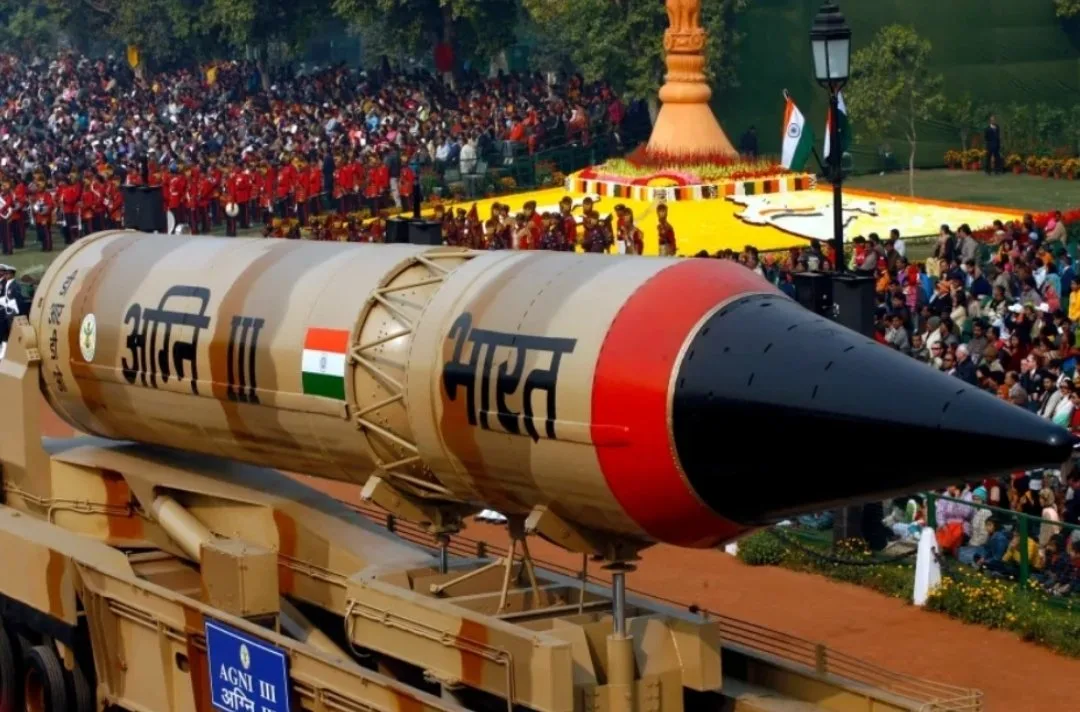
India is steadily investing in modern defence technologies to keep up with changing global trends. This includes improvements in missile systems, surveillance, and strategic planning.
The focus is not only on increasing numbers but also on improving quality, safety, and efficiency. Modernisation efforts aim to ensure that defence systems remain reliable and effective in the long term.
As global security challenges continue to evolve, India’s approach highlights a mix of caution, preparedness, and technological growth.