


Indigenous Navy Rockets for MiG-29K

Indigenous Navy Rockets development has become a key focus as the Indian Navy moves towards strengthening its defence capabilities. In May 2026, the Navy invited companies to design and produce 80-mm rockets for its MiG-29K fighter aircraft. This step supports India’s larger goal of building defence equipment within the country and reducing dependence on imports.
Thank you for reading this post, don't forget to subscribe!The project is being handled through the Naval Armament Inspectorate in Goa. It reflects a strong push toward modernisation and self-reliance in military technology.
Focus on MiG-29K Carrier-Based Fighters
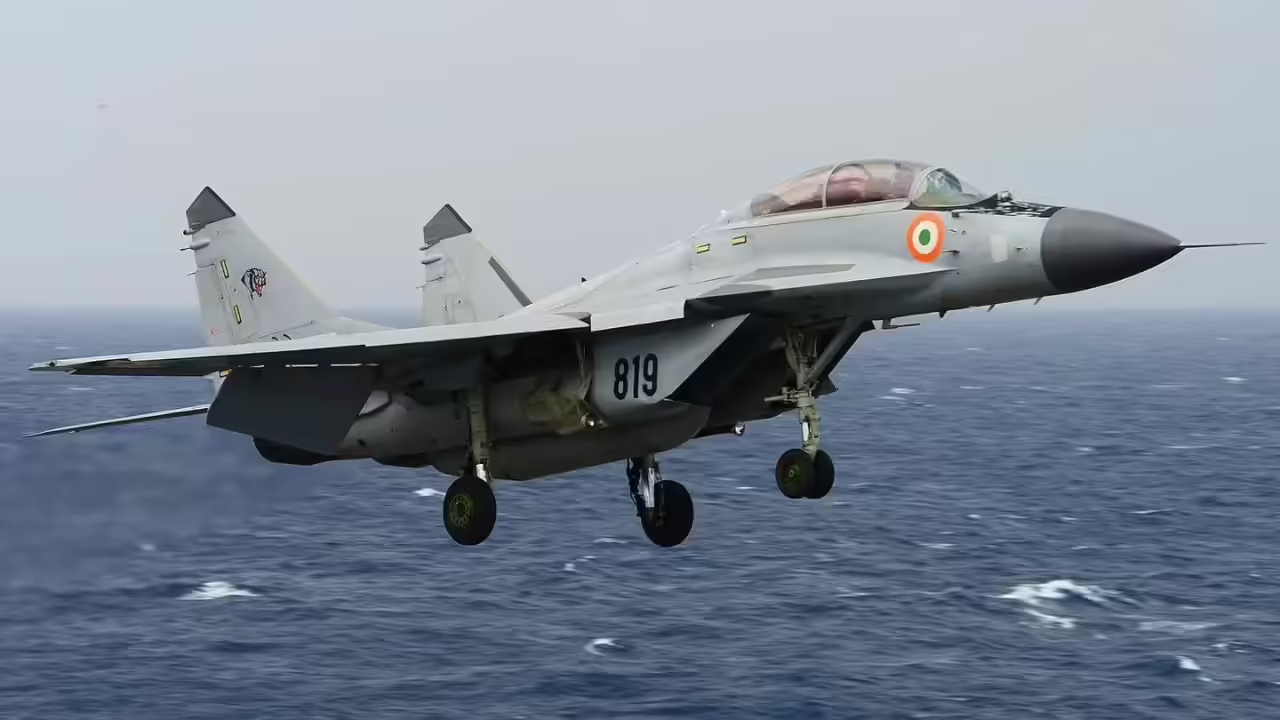
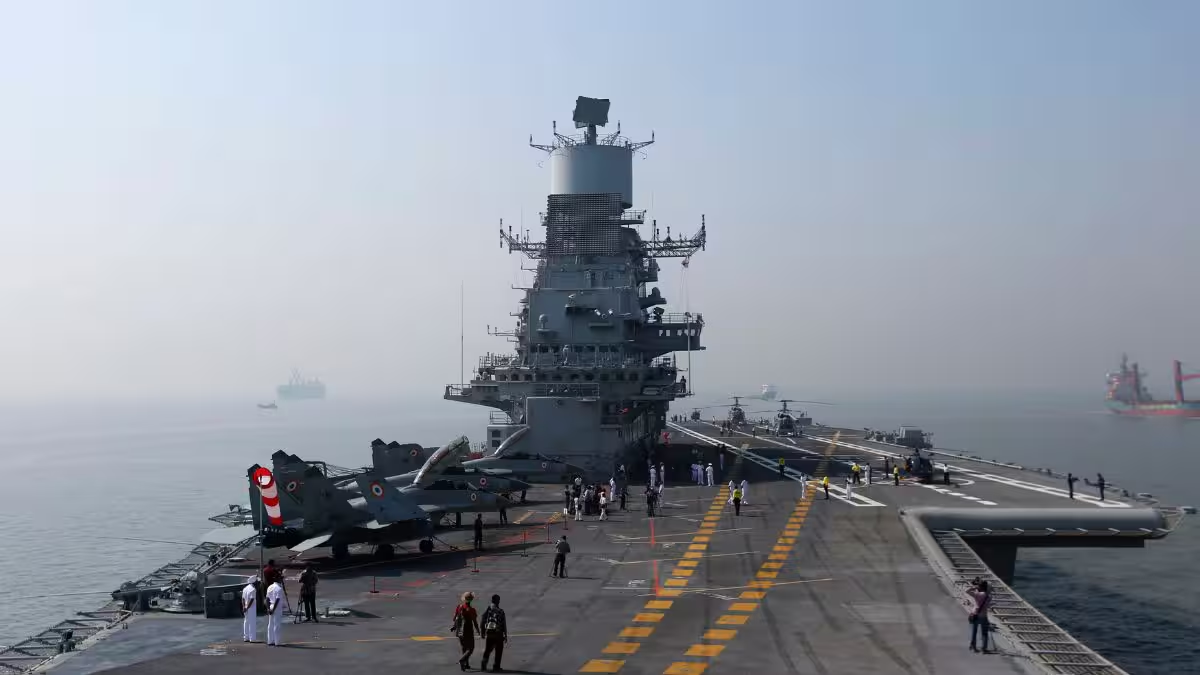
The MiG-29K is a powerful fighter jet used by the Indian Navy for operations at sea. It is specially designed to operate from aircraft carriers and can perform multiple roles, including air defence and ground attacks.
The Navy also uses the MiG-29KUB, which is a twin-seat version mainly used for training pilots. These aircraft are currently deployed on India’s aircraft carriers and play a major role in naval security.
With around 40+ aircraft in operation, improving their weapon systems is an important step in maintaining combat readiness.
Role of Aircraft Carriers in Operations
India operates two major aircraft carriers that support these fighter jets. These carriers allow aircraft to take off and land in the middle of the sea, giving the Navy a strong presence in strategic regions.
Carrier-based aviation is important for protecting sea routes, responding to threats, and supporting missions far from the mainland. Upgrading weapons like rockets ensures that these aircraft remain effective in different types of operations.
Key Features of the 80-mm Rockets
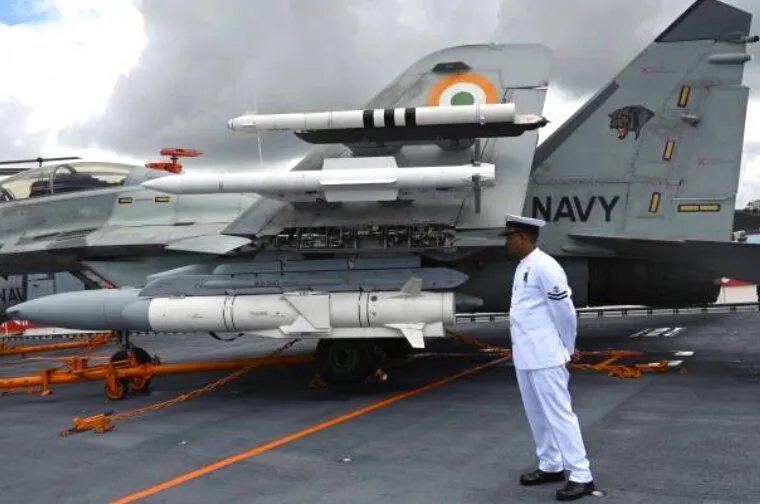
The new 80-mm rockets are designed as air-to-ground weapons. These rockets are unguided but highly effective for short-range targets. They are expected to meet several technical requirements to match operational needs.
Each rocket will weigh around 11 kilograms and measure about 1.5 metres in length. It is expected to travel at high speed and strike targets within a range of up to 4 kilometres.
The rocket should also be capable of penetrating strong surfaces and creating impact through fragmentation. These features make it suitable for various combat situations.
Performance and Durability Requirements
The Navy has set strict standards for the rocket’s performance. It must work in extreme temperatures, from very cold to very hot conditions. This is important because naval operations take place in different climates around the world.
The rockets are also expected to have a long shelf life of at least 15 years. This ensures reliability and reduces the need for frequent replacement.
In addition, a practice version of the rocket will be developed. This version will not carry explosives but will help pilots train under realistic conditions.
Procurement and Development Timeline
After the design and testing phase, the Navy plans to purchase a large number of these rockets. The initial order includes both live rockets and practice rounds for training purposes.
The development process will involve testing prototypes to ensure they meet all operational standards. Once approved, the rockets are expected to be introduced into service within the 2026–27 timeframe.
This timeline shows the urgency and importance of the project in current defence planning.
Boost to Self-Reliance in Defence
This initiative is closely linked to India’s push for self-reliance in defence manufacturing. By developing weapons locally, the country aims to reduce dependency on foreign suppliers and strengthen its domestic industry.
Local production also creates opportunities for Indian companies to innovate and contribute to advanced defence technologies. It encourages research, job creation, and long-term growth in the sector.
Such projects are becoming more common as India focuses on building its own capabilities in critical areas.
Growing Importance of Defence Technology
The demand for modern weapons and advanced systems is increasing as global security challenges evolve. Countries are investing more in upgrading their military equipment and technologies.
India is also taking steps to stay prepared by improving its defence infrastructure and adopting new technologies. Projects like the Indigenous Navy Rockets highlight the shift towards smarter and more efficient systems.
As defence strategies continue to change, the focus on innovation and self-reliance is expected to grow even further.