Israel Focus On Disarming Hamas as New Phase Begins in Gaza Policy

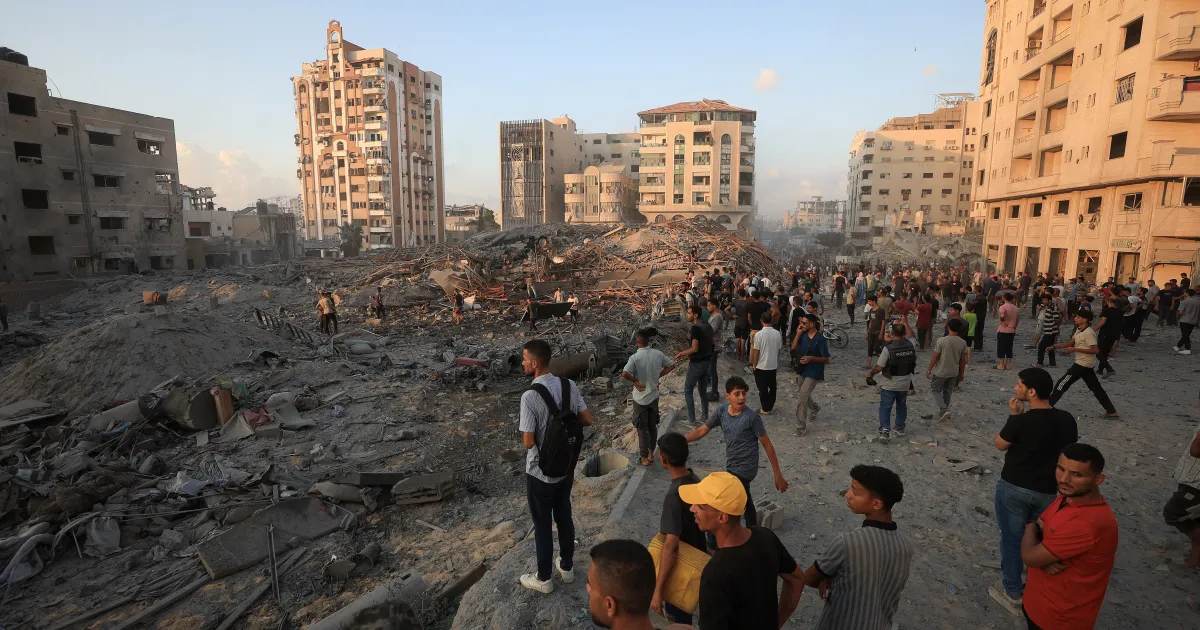
Israel Focus On Disarming Hamas has become the central theme of Israel’s strategy after the recovery of the last hostage held in Gaza. Israeli Prime Minister Benjamin Netanyahu has announced that the country is now entering a new phase in its approach toward the Palestinian territory. With the hostage issue reaching what Israel sees as its first major milestone, attention has shifted to what Israeli leaders describe as their main long-term goal: eliminating Hamas’s military power and ensuring Gaza is fully demilitarised.
Thank you for reading this post, don't forget to subscribe!This announcement comes at a time when Gaza remains deeply scarred by months of conflict, humanitarian crisis, and intense diplomatic activity. While fighting has slowed under a fragile ceasefire framework, the political and security future of Gaza remains uncertain. Netanyahu’s statements suggest that Israel does not view the current calm as the end of the conflict, but rather as a pause before deeper structural changes are pursued.
Shift After Hostage Recovery
The return of the final hostage marked a significant emotional and political moment for Israel. Families of captives have been protesting for months, demanding that the government prioritise their loved ones. Netanyahu described the hostage recovery as the completion of the first stage of Israel’s objectives.
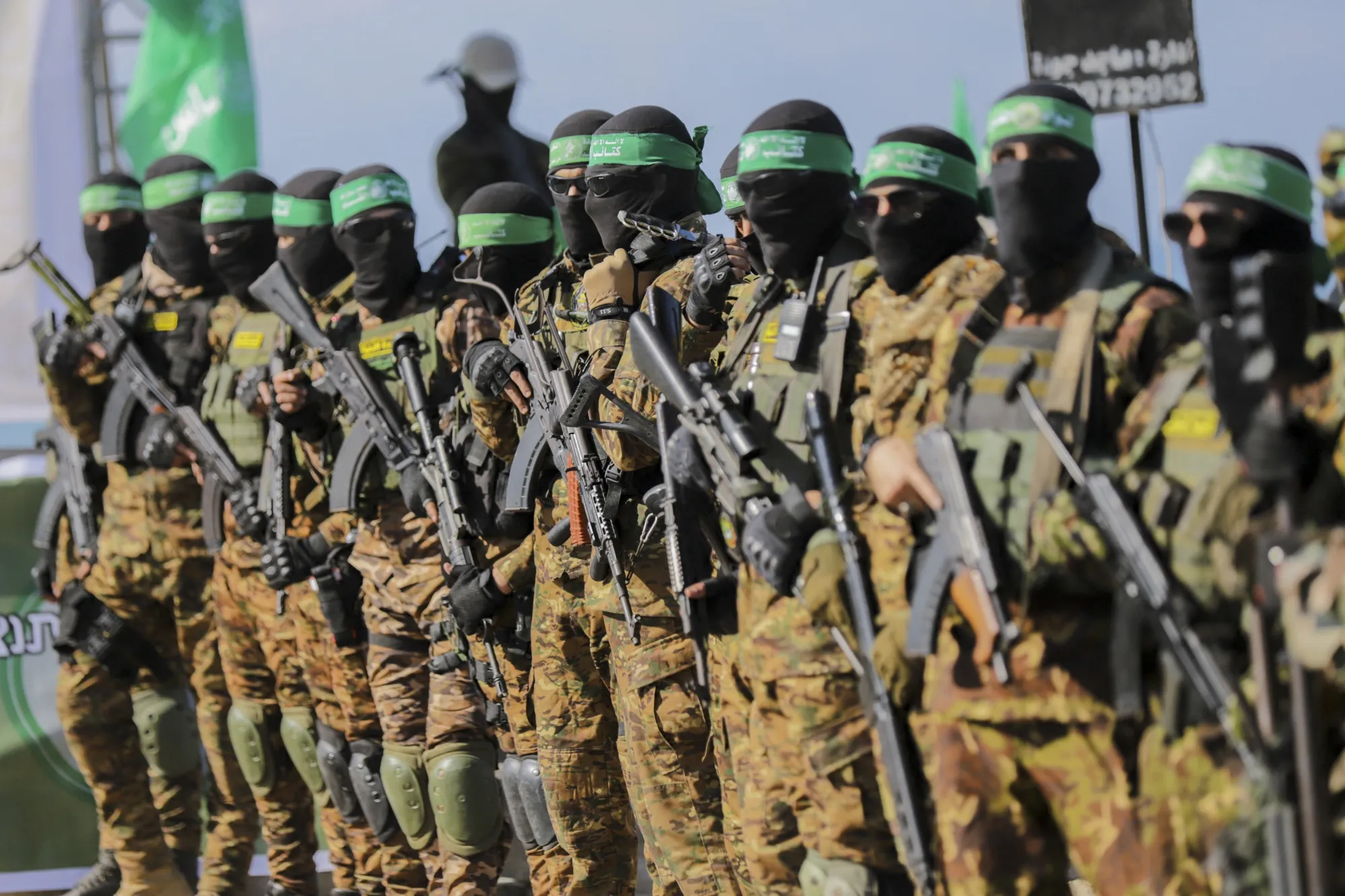
He stated that Israel’s next priority is to dismantle Hamas’s armed wing, destroy its weapons caches, and eliminate its underground tunnel networks. According to Israeli officials, these tunnels have been a key part of Hamas’s ability to operate, move fighters, store weapons, and launch attacks.
Netanyahu also made it clear that Israel intends to maintain long-term security control over Gaza. He said this is necessary to prevent Hamas or any other militant group from rebuilding its strength in the future. This position suggests that Israel does not foresee a quick handover of security responsibilities to any Palestinian authority.
Disarmament As Core Objective
Disarmament of Hamas is now being presented as non-negotiable by the Israeli government. Netanyahu argued that without removing Hamas’s weapons, any ceasefire would only be temporary. In Israel’s view, allowing Hamas to stay armed would mean that future attacks are almost inevitable.
Israeli military planners are reportedly focusing on three main targets:
- Destruction of remaining rocket and missile stockpiles
- Elimination of command centers and training facilities
- Neutralisation of tunnel systems beneath Gaza
Officials say this process could take considerable time, even with reduced large-scale combat operations. Israel believes that steady pressure, intelligence-driven strikes, and strict monitoring of Gaza’s borders will be key tools in this phase.
Ceasefire Framework And Differences
The current ceasefire plan, backed by the United States and other international partners, was designed as a two-stage process. The first stage focused on the release of hostages, while the second stage is intended to address Hamas’s military capabilities.
Hamas has claimed that the return of the last hostage demonstrates its commitment to the ceasefire. However, the group has so far rejected demands to lay down its arms. Hamas leaders argue that disarmament would leave Gaza defenceless and under permanent Israeli control.
This fundamental disagreement remains the biggest obstacle to moving forward. While mediators continue efforts to keep dialogue alive, both sides appear far apart on what the next steps should look like.
Israel’s Position On Gaza’s Future
Netanyahu has repeatedly stated that Gaza will not become an independent Palestinian state. He reaffirmed that Israel opposes any move toward Palestinian statehood in the enclave.
According to him, Israel must retain overall security authority “from the Jordan River to the sea.” He argues that past withdrawals and agreements did not bring peace, and that only firm control can guarantee Israeli safety.
This stance has drawn criticism from many countries, particularly as several Western nations have recently taken steps toward recognising Palestinian statehood. These moves were partly motivated by the scale of destruction and civilian suffering in Gaza.
Israel, however, views such recognition as premature and dangerous, saying it could reward violence and weaken efforts to contain militant groups.
International Reactions And Diplomatic Pressure
Israel’s new emphasis on disarming Hamas is being closely watched by the international community. Some allies support Israel’s right to defend itself but also stress the need for a political solution.
Humanitarian organisations warn that prolonged military operations, even if smaller in scale, could worsen conditions for Gaza’s civilian population. Food shortages, damaged infrastructure, and limited medical services remain major challenges.
At the same time, diplomatic pressure is increasing on Israel to present a clear vision for Gaza’s governance once Hamas is weakened. Questions remain about who would administer the territory, how services would be provided, and what role, if any, the Palestinian Authority might play.
Regional Tensions And The Iran Factor
Netanyahu also used his recent statements to warn Iran against any direct confrontation with Israel. He said that any attack from Iran would be met with what he described as unprecedented force.
These remarks come amid heightened regional tensions. The presence of US naval forces near Iran and strong statements from Washington have added to concerns about possible escalation beyond Gaza.
Iran, for its part, has accused the United States of trying to destabilise the region and has criticised what it calls threats against its sovereignty. Iran’s support for groups opposed to Israel, including Hamas and Hezbollah, keeps it deeply tied to the broader conflict.
Public Mood Inside Israel
Within Israel, reactions to the new strategy are mixed. Many citizens support the goal of disarming Hamas, believing it is essential for long-term security. Others worry that endless military engagement will bring more losses without resolving the root causes of the conflict.
Families of soldiers and former hostages have called for a balanced approach that prioritises both security and diplomacy. Some voices in Israeli society are urging leaders to explore political pathways alongside military measures.
Israel Focus On Disarming Hamas: A Long And Uncertain Road Ahead
Israel’s declaration that it will now focus on disarming Hamas signals that the Gaza conflict is far from over. While the hostage chapter may have reached a turning point, the deeper struggle over Gaza’s future, Palestinian aspirations, and regional stability continues.
The coming months are likely to involve a combination of limited military actions, intense diplomacy, and continued international scrutiny. Whether Israel’s strategy will succeed in permanently weakening Hamas without plunging the region into further chaos remains an open question.
What is clear is that the focus has shifted, and Israel’s leadership is determined to reshape Gaza’s security landscape in line with its own vision, even as global debate over the costs and consequences grows louder.