


Ken Betwa Interlink Project –Benefits, Challenges, and Impact on Bundelkhand

Ken Betwa Interlink Project is one of India’s most ambitious river-linking initiatives aimed at solving water scarcity in the drought-prone Bundelkhand region. This project has gained attention after the Central Government approved a 90:10 funding pattern, where 90% of the cost will be borne by the Centre and 10% by the states.
Thank you for reading this post, don't forget to subscribe!India has long faced the dual problem of floods in some regions and drought in others. The Ken Betwa Interlink Project is designed to balance this inequality by transferring surplus water from one river basin to another. It is not just an engineering project but also a socio-economic and environmental initiative with far-reaching consequences.
What is the Ken Betwa Interlink Project?
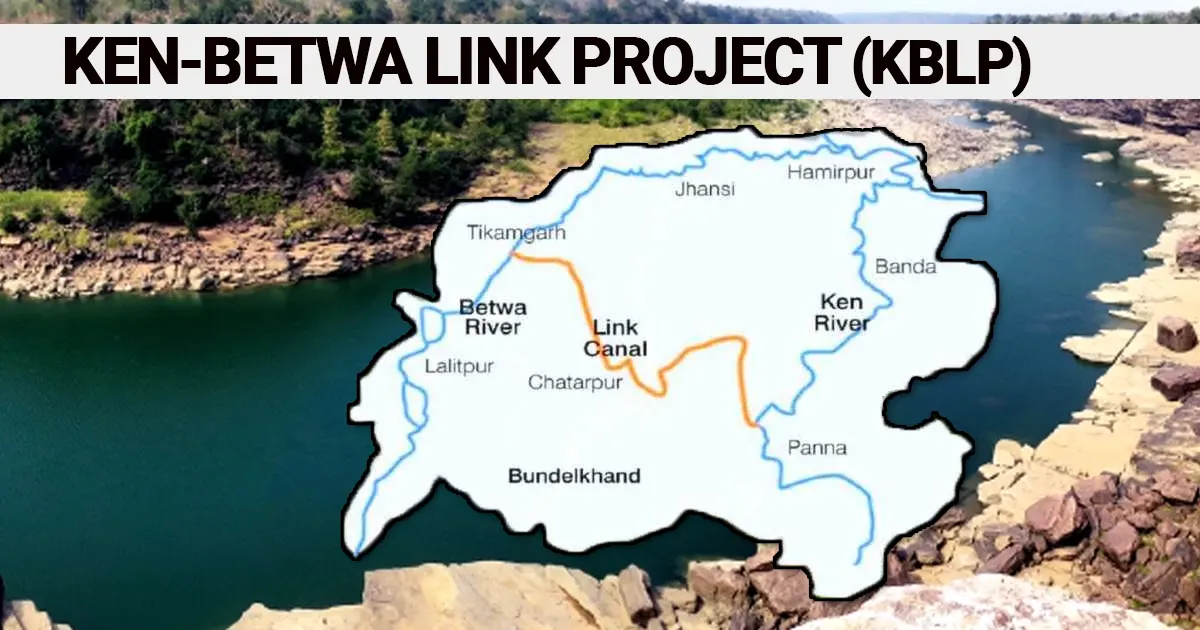
The Ken Betwa Interlink Project (KBLP) is a river interlinking scheme that aims to transfer surplus water from the Ken River in Madhya Pradesh to the Betwa River in Uttar Pradesh.
Key Objectives:
- Provide irrigation to drought-prone Bundelkhand
- Reduce dependence on rainfall
- Supply drinking water
- Generate hydroelectric power
This project is part of India’s larger plan of interlinking 30 rivers across the country.
Geographic Overview
- Ken River originates in Madhya Pradesh and flows through the Panna region.
- Betwa River also originates in Madhya Pradesh and flows into Uttar Pradesh.
- Both rivers are tributaries of the Yamuna River.
Important Locations Covered:
- Uttar Pradesh districts: Jhansi, Banda, Lalitpur, Mahoba
- Madhya Pradesh districts: Tikamgarh, Panna, Chhatarpur
Important Dams on Betwa:
| Dam Name | Location |
|---|---|
| Rajghat Dam | MP-UP Border |
| Paricha Dam | Uttar Pradesh |
| Matatila Dam | Uttar Pradesh |
Why is the Ken Betwa Interlink Project Needed?
India receives nearly 80% of its rainfall during monsoon (June–September). This creates uneven water availability throughout the year.
Key Problems:
- Seasonal rainfall
- Unequal distribution of water
- Frequent droughts in Bundelkhand
- Overdependence on groundwater
Solution:
The Ken Betwa Interlink Project helps by:
- Transferring water from surplus regions to deficit areas
- Ensuring year-round water availability
- Reducing drought and flood imbalance
How Does River Interlinking Work?
River interlinking involves:
- Construction of canals
- Building dams and reservoirs
- Connecting rivers through a network
Example:
The Pattiseema Lift Irrigation Scheme in Andhra Pradesh successfully linked the Godavari and Krishna rivers, showing the feasibility of such projects.
Major Components of the Project
1. Daudhan Dam
- Built on Ken River
- Height: 77 meters
- Key storage structure
2. Canal System
- Transfers water to Betwa basin
- Helps irrigation and drinking supply
3. Hydropower Generation
- Expected production: 75 MW
Benefits of Ken Betwa Interlink Project
1. Irrigation Development
- Irrigation to around 6 lakh hectares of land
- Boost in agriculture productivity
2. Reduction in Farmer Distress
- Stable water supply
- Reduced crop failure
- Helps prevent farmer suicides
3. Drinking Water Supply
- Water supply to 13 lakh people
4. Power Generation
- Hydropower generation of 75 MW
5. Employment Opportunities
- Jobs during construction phase
- Long-term economic growth
6. Environmental Benefits
- Afforestation along canals
- Groundwater recharge
7. Infrastructure Development
- Canal roads improve transport
- Better market access
8. Tourism Growth
- Reservoirs may promote tourism
- Fisheries and bird sanctuaries
Environmental Concerns
Despite its benefits, the Ken Betwa Interlink Project has serious environmental risks.
1. Impact on Panna Tiger Reserve
- Submergence of 10% of critical tiger habitat
- Threat to biodiversity
2. Impact on Wildlife
- Affects vulture nesting sites
- Threat to gharials in sanctuary
3. Ecosystem Disturbance
- Forest loss
- Change in river flow patterns
Social Concerns
Displacement of People
- Around 20,000 people will be displaced
- Loss of homes and livelihoods
Rehabilitation Issues
- Need for proper resettlement
- Compensation challenges
Economic Challenges
- High project cost
- Increasing expenses due to delays
- Maintenance cost after completion
Political Challenges
Water sharing disputes between states create major hurdles.
Conflict Points:
- Madhya Pradesh vs Uttar Pradesh water share
- Demand for more water in pre-monsoon season
- Disagreement on release timing
Environmental Clearance Issues
The project has been delayed due to:
- Approval from environmental authorities
- Concerns raised by wildlife organizations
- Scrutiny by National Green Tribunal (NGT)
Constitutional Provisions
Article 262 of Indian Constitution
| Provision | Description |
|---|---|
| Article 262(1) | Parliament can decide water disputes |
| Article 262(2) | Courts cannot interfere in such disputes |
Important Note:
Water is a State Subject, so mutual agreement is necessary.
Impact on Bundelkhand Region
Bundelkhand is one of India’s most drought-prone areas.
Expected Changes:
- Improved irrigation
- Increased crop production
- Better livelihood for farmers
- Reduced migration
Environmental vs Development Debate
The Ken Betwa Interlink Project highlights the conflict between:
- Development needs
- Environmental protection
Key Question:
Is it worth sacrificing forest and wildlife for human development?
Way Forward
To make the Ken Betwa Interlink Project successful:
1. Proper Rehabilitation
- Fair compensation
- Employment opportunities
2. Environmental Protection
- Minimize forest loss
- Protect wildlife habitats
3. Better Coordination
- River Basin Authority formation
- Cooperation between states
4. Use of Technology
- Efficient water management systems
- Monitoring environmental impact
Conclusion
The Ken Betwa Interlink Project has the potential to transform the drought-prone Bundelkhand region by providing water, improving agriculture, and boosting economic growth. However, it also brings significant environmental, social, and political challenges.
A balanced approach is essential. The government must ensure that development does not come at the cost of nature and human displacement. Proper planning, transparency, and sustainable practices will determine the success of this ambitious project.
FAQs on Ken Betwa Interlink Project
1. What is the Ken Betwa Interlink Project?
It is a river-linking project to transfer water from Ken River to Betwa River.
2. Which states are involved?
Madhya Pradesh and Uttar Pradesh.
3. What is the main aim?
To provide irrigation and water supply to drought-prone Bundelkhand.
4. How much land will be irrigated?
Around 6 lakh hectares.
5. What are the major concerns?
Environmental damage, displacement of people, and political disputes.