




Biofuels: Renewable Energy for a Sustainable Future

Biofuels are becoming an important source of renewable energy across the world. As countries try to reduce pollution, cut greenhouse gas emissions, and decrease dependence on fossil fuels, biofuels have emerged as a cleaner and more sustainable alternative. They are produced from organic materials such as plants, agricultural waste, animal waste, and other biological resources.
India is also promoting the use of biofuels to improve energy security, support farmers, and protect the environment. Recent initiatives such as ethanol blending, biofuel policies, and second-generation ethanol plants have strengthened the country’s commitment toward clean energy.

What are Biofuels?
Biofuels are fuels produced from organic materials that are living or were once living. Unlike fossil fuels, which take millions of years to form, biofuels can be produced within a short period of time from renewable biological resources.
Biofuels can exist in different forms:
| Type | Examples |
|---|---|
| Solid Biofuels | Wood, dried plant materials, manure |
| Liquid Biofuels | Bioethanol, Biodiesel |
| Gaseous Biofuels | Biogas |
These fuels can be used in vehicles, industries, electricity generation, and heating systems. They can either replace fossil fuels completely or be mixed with them.
The growing demand for biofuels is mainly due to rising crude oil prices, increasing environmental concerns, and the need to provide additional income opportunities to farmers.
Why are Biofuels Important?
The world is facing serious environmental challenges such as climate change and air pollution. Traditional fossil fuels release large amounts of carbon dioxide and other harmful gases.

Biofuels offer several benefits:
- Reduce greenhouse gas emissions
- Lower dependence on imported oil
- Support rural development
- Create employment opportunities
- Help manage agricultural and municipal waste
- Promote clean and renewable energy
Because of these advantages, many countries are investing heavily in biofuel technology.
Categories of Biofuels
Biofuels are generally divided into four generations based on the raw materials and technology used.
First Generation Biofuels
First-generation biofuels are produced from food crops containing sugar, starch, vegetable oils, or animal fats.
Common examples include:
- Bioethanol
- Biodiesel
- Vegetable oil
- Bioethers
- Biogas
These biofuels are easy to produce using conventional technologies. However, they use food crops as raw materials, which can affect food availability and increase food prices.
Second Generation Biofuels
Second-generation biofuels are produced from non-food biomass and agricultural waste materials.
Examples include:
- Crop residues
- Rice straw
- Wheat straw
- Corn stalks
- Wood chips
- Fruit peels
These biofuels help utilize waste materials and do not directly compete with food production.
Advantages include:
- Lower greenhouse gas emissions
- Better waste management
- Reduced pressure on food resources
However, production technology is more complex and costly.
Third Generation Biofuels
Third-generation biofuels are produced from microorganisms, especially algae.
Algae can grow in areas unsuitable for food cultivation and require less fertile land.
Benefits include:
- High fuel production potential
- Reduced competition with agriculture
- Efficient use of land resources
One challenge is that large-scale production still requires significant investment and advanced technology.
Fourth Generation Biofuels
Fourth-generation biofuels involve genetically modified crops designed to absorb large amounts of carbon dioxide.
The process includes:
- Growing specially engineered plants.
- Converting biomass into fuel.
- Capturing carbon released during production.
- Storing carbon underground.
These fuels are often called carbon-negative fuels because they can remove more carbon from the atmosphere than they release.
Major Types of Biofuels
Bioethanol
Bioethanol is one of the most widely used biofuels.
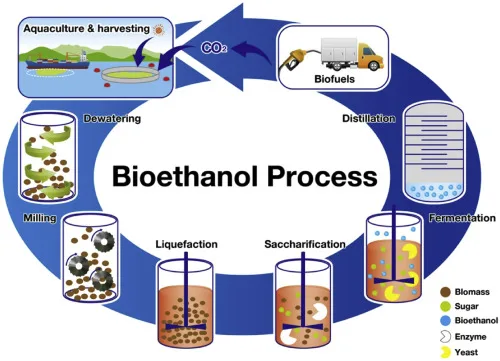
It is produced through the fermentation of sugar and starch-rich crops such as:
- Sugarcane
- Corn
- Maize
Bioethanol is commonly blended with petrol. This improves fuel combustion and reduces harmful emissions.
Benefits of bioethanol include:
- Cleaner burning fuel
- Lower carbon monoxide emissions
- Reduced dependence on petroleum
Biodiesel
Biodiesel is produced from:
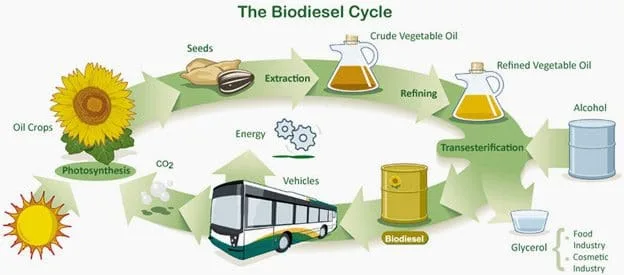
- Vegetable oils
- Animal fats
- Used cooking oils
The production process is called transesterification.
Advantages of biodiesel include:
- Lower emissions
- Biodegradable nature
- Compatibility with diesel engines
Biodiesel is considered one of the most promising alternatives to conventional diesel fuel.
Biogas
Biogas is generated through the anaerobic decomposition of organic waste.
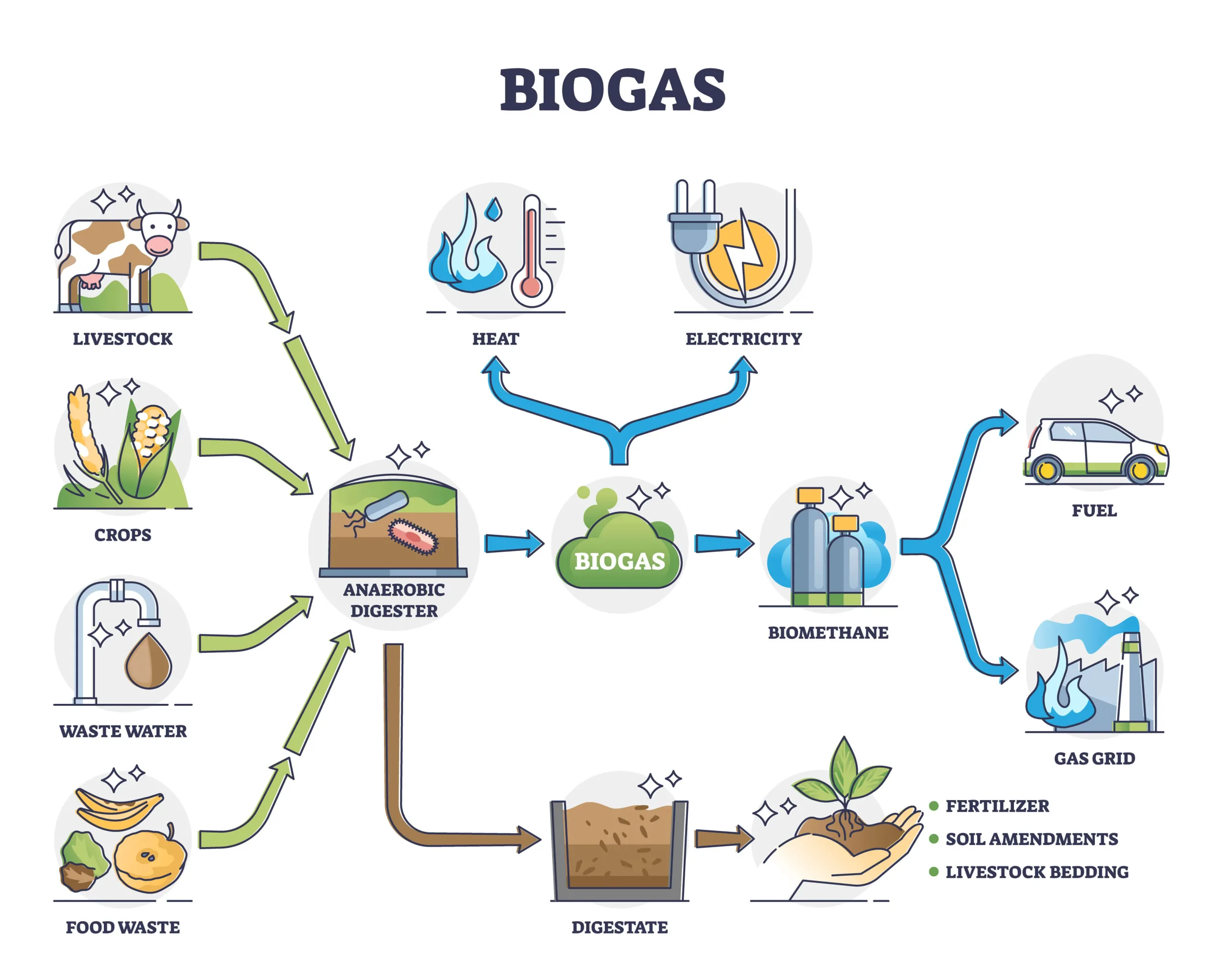
Sources include:
- Animal dung
- Agricultural waste
- Human waste
- Food waste
The main component of biogas is methane.
Biogas is commonly used for:
- Cooking
- Electricity generation
- Heating
- Vehicle fuel after purification
Biobutanol
Biobutanol is produced through fermentation processes similar to bioethanol.
Its advantages include:
- Higher energy content than ethanol
- Better compatibility with existing fuel infrastructure
- Reduced vehicle emissions
Biobutanol is also used in the chemical, textile, and perfume industries.
Biohydrogen
Biohydrogen is considered one of the cleanest future fuels.

It can be produced through:
- Gasification
- Pyrolysis
- Biological fermentation
When used as fuel, hydrogen mainly produces water as a by-product, making it highly environmentally friendly.
Advantages of Biofuels
Renewable Energy Source
Biofuels are produced from renewable biological materials, making them sustainable over the long term.
Reduced Pollution
Biofuels generally release fewer harmful emissions compared to fossil fuels.
This helps improve air quality and reduce climate change impacts.
Energy Security
Countries can produce biofuels domestically, reducing dependence on imported crude oil.
This improves national energy security.
Waste Management
Agricultural residues and municipal waste can be converted into useful energy.
This reduces waste disposal problems.
Employment Generation
The biofuel industry creates jobs in:
- Agriculture
- Transportation
- Manufacturing
- Research and development
This contributes to rural economic growth.
Support for Farmers
Farmers can earn additional income by supplying crop residues and energy crops for biofuel production.
Disadvantages of Biofuels
Lower Energy Efficiency
Some biofuels provide less energy compared to traditional fossil fuels.
For example, ethanol contains less energy than petrol.
High Production Costs
Biofuel production often requires:
- Land
- Water
- Technology
- Processing facilities
These factors increase production costs.
Food Security Concerns
Using food crops for fuel production may affect food supply and increase food prices.
Water Consumption
Large quantities of water are needed for growing feedstock crops and processing biofuels.
Biodiversity Risks
Expansion of biofuel crops can reduce biodiversity if natural ecosystems are converted into agricultural land.
International Efforts for Sustainable Biofuels
Many international organizations promote sustainable biofuel production.
Roundtable on Sustainable Biomaterials (RSB)
RSB is a global initiative involving:
- Farmers
- Governments
- Scientists
- Companies
- Non-governmental organizations
It has developed sustainability standards for responsible biofuel production.
Sustainable Biofuels Consensus
This initiative encourages governments and industries to ensure environmentally and socially responsible biofuel production.
Bonsucro
Bonsucro promotes sustainable sugarcane production.
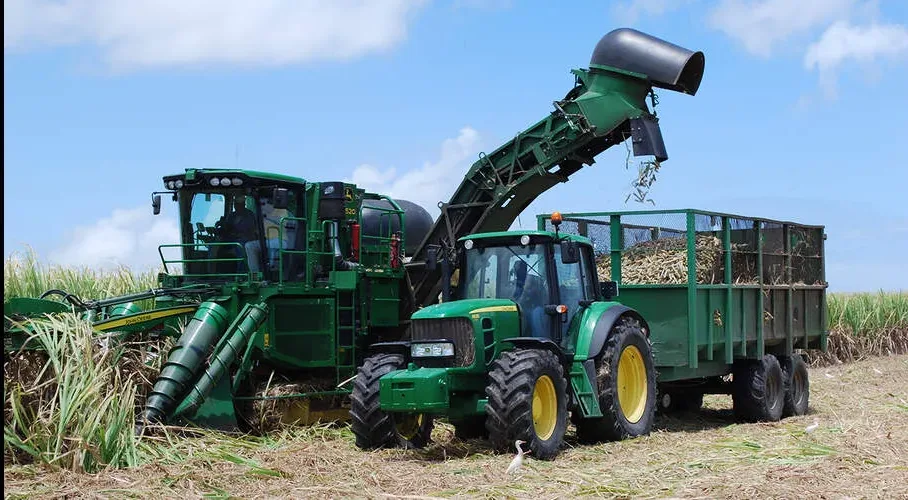
It develops standards for products such as:
- Sugar
- Ethanol
- Molasses
Its goal is to reduce environmental and social impacts while maintaining economic benefits.
Growth of Biofuels in India
India’s biofuel journey began several decades ago.
Early Developments
During the 1970s and 1980s, India explored blending ethanol with petrol through various studies and pilot projects.
Ethanol Blending Programme
In 2002, the government introduced ethanol blending in selected states.
This program encouraged oil companies to mix ethanol with petrol.
National Biofuel Policy
India launched the National Biofuel Policy in 2009 and later updated it through the National Policy on Biofuels 2018.
The policy aims to:
- Increase domestic biofuel production
- Support farmers
- Improve energy security
- Reduce environmental pollution
Recent Biofuel Initiatives in India
Pradhan Mantri JI-VAN Yojana
Launched in 2019, this scheme promotes commercial projects in the second-generation ethanol sector.
Its objectives include:
- Encouraging innovation
- Supporting research and development
- Creating biofuel infrastructure
Ethanol Blending Programme
India has accelerated its ethanol blending efforts.
The government aims to achieve 20% ethanol blending in petrol, helping reduce oil imports and emissions.
GOBAR-DHAN Scheme
The GOBAR-DHAN scheme promotes the conversion of:
- Cattle dung
- Organic waste
- Farm waste
into:
- Biogas
- Bio-CNG
- Organic compost
This improves sanitation and generates income in rural areas.
RUCO Initiative
The Repurpose Used Cooking Oil (RUCO) initiative encourages the collection and conversion of used cooking oil into biodiesel.
This helps reduce waste and promote cleaner fuel production.
Development of 2G Ethanol Plants
India has established second-generation ethanol projects that use agricultural residues such as rice straw.
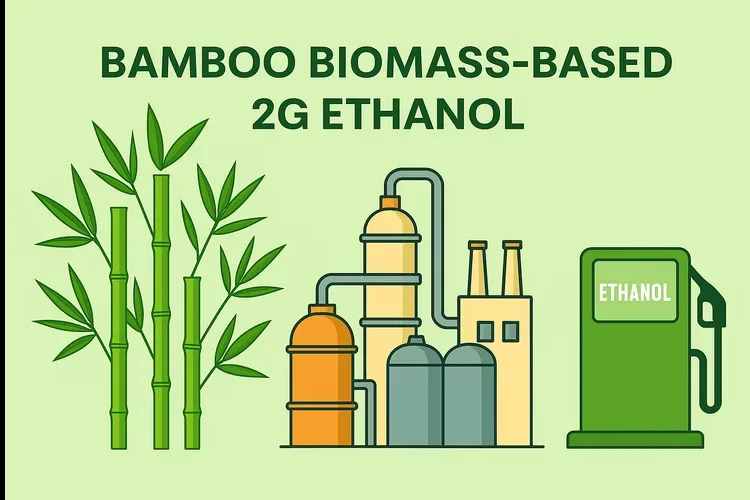
These plants help:
- Reduce stubble burning
- Improve air quality
- Generate renewable energy
- Increase farmers’ income
Future of Biofuels in India
The future of biofuels in India looks promising. With rising energy demand and growing environmental concerns, biofuels can play a major role in achieving sustainable development.
The country has abundant agricultural resources and biomass waste that can be converted into clean energy. Expanding second-generation and advanced biofuel technologies can reduce pollution while supporting rural livelihoods.
Future efforts should focus on:
- Sustainable feedstock production
- Better technology development
- Efficient waste utilization
- Strong public-private partnerships
- Increased investment in research
A balanced approach that protects food security while promoting renewable energy can help India become a global leader in biofuel production.
Biofuels represent an important step toward a cleaner, greener, and more energy-secure future. By using agricultural waste, organic resources, and innovative technologies, countries can reduce dependence on fossil fuels and build a sustainable energy system for future generations.
FAQs on Biofuels
1. What are biofuels?
Biofuels are renewable fuels made from organic materials such as plants, agricultural waste, animal waste, and algae. They are used as alternatives to fossil fuels.
2. Why are biofuels important?
Biofuels help reduce greenhouse gas emissions, decrease dependence on imported crude oil, support farmers, and promote clean energy.
3. What are the main types of biofuels?
The major types of biofuels are:
- Bioethanol
- Biodiesel
- Biogas
- Biobutanol
- Biohydrogen
4. What is bioethanol?
Bioethanol is a renewable fuel produced from sugar-rich or starch-rich crops such as sugarcane and corn through a fermentation process.
5. What is biodiesel?
Biodiesel is a fuel made from vegetable oils, animal fats, and used cooking oils. It can be used in diesel engines with little or no modification.
6. What is the difference between biofuels and fossil fuels?
Biofuels are produced from renewable biological resources, while fossil fuels are formed from ancient organic matter over millions of years and are non-renewable.
7. What are first-generation biofuels?
First-generation biofuels are made from food crops such as sugarcane, corn, vegetable oils, and animal fats.
8. What are second-generation biofuels?
Second-generation biofuels are produced from agricultural residues, crop waste, wood chips, and other non-food biomass materials.