Road Safety: Importance, Causes, Impacts and Government Initiatives

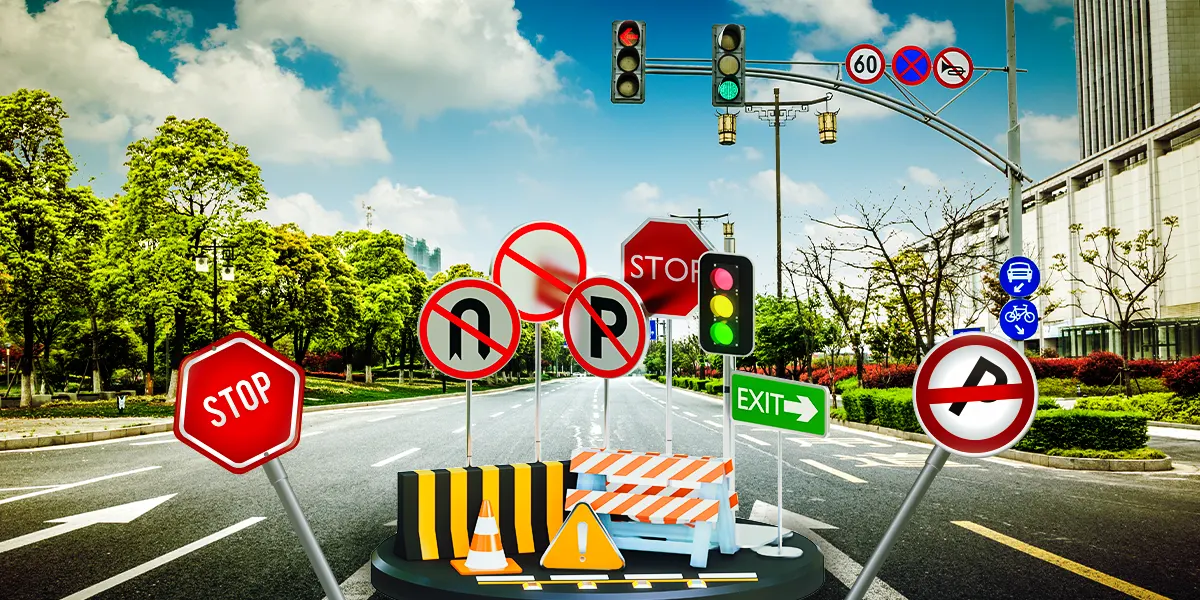
Road Safety is one of the most important public issues in India today. Every year, thousands of people lose their lives in road accidents, while many others suffer serious injuries that affect their lives permanently. As India’s population, vehicle ownership, and road networks continue to grow, ensuring road safety has become a major responsibility for both the government and citizens.
According to official reports, road accidents remain one of the leading causes of death in the country. The increase in vehicles, rapid urbanization, traffic congestion, and unsafe driving practices have contributed significantly to this problem. Road safety is not only about preventing accidents but also about protecting lives, reducing economic losses, and creating safer communities.

What is Road Safety?
Road Safety refers to the measures and practices used to prevent road accidents and reduce injuries and deaths caused by traffic crashes. It includes safe road design, proper traffic management, vehicle safety standards, enforcement of traffic laws, and responsible behavior by road users.
Road safety involves everyone who uses roads, including drivers, passengers, pedestrians, cyclists, and motorcyclists.
Importance of Road Safety
Road transport is the backbone of India’s transportation system. Most goods and passengers travel through roads. Roads connect villages, towns, and cities and support economic growth.
However, as the number of vehicles increases, road accidents also increase. Therefore, road safety has become essential for several reasons.
Protection of Human Lives
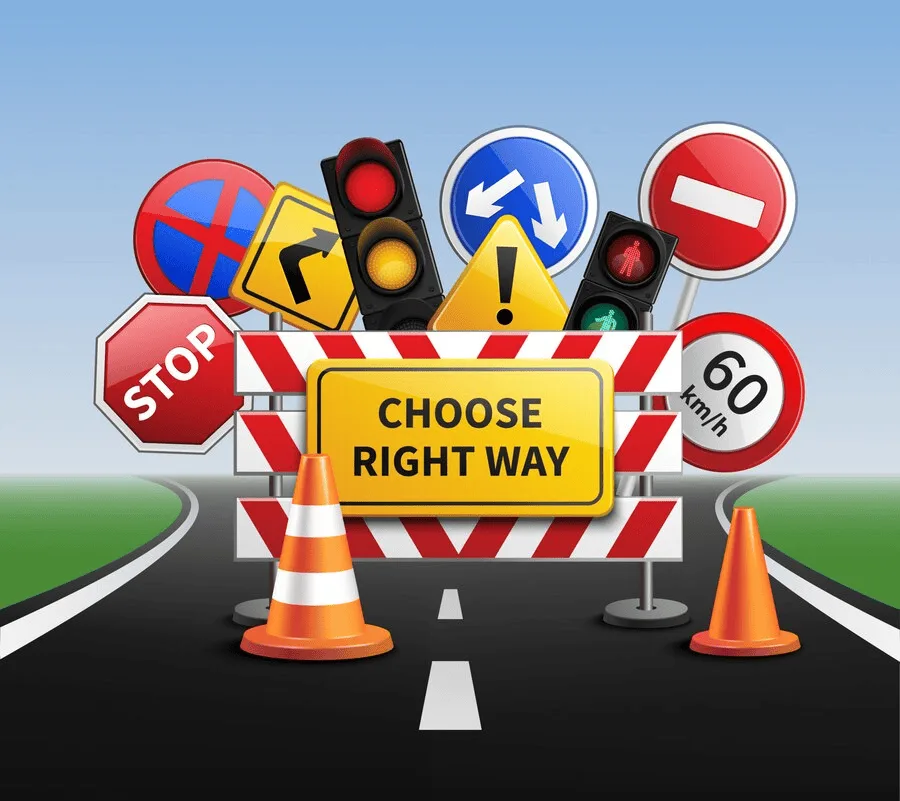
The primary goal of road safety is to save lives. Every accident prevented means fewer injuries and fewer families losing their loved ones.
Economic Development
Road accidents cause significant financial losses. Medical expenses, vehicle damage, loss of productivity, and legal costs affect both individuals and the economy.
Safe Transportation
A safe road system encourages people to travel confidently and supports smooth transportation of goods and services.
Reduced Burden on Healthcare
Fewer accidents mean fewer emergency cases in hospitals, allowing healthcare systems to use resources more effectively.
Better Quality of Life
Safe roads help create healthier and happier communities where people can travel without fear.
Current Road Safety Situation in India
India has one of the largest road networks in the world. Millions of vehicles travel on roads every day. While road infrastructure has improved over the years, road accidents continue to be a serious challenge.
Road traffic injuries are among the leading causes of death and disability. Many victims are young people who are in their most productive years. This creates long-term social and economic problems for families and society.
Impact of Poor Road Safety
Lack of road safety affects individuals, families, communities, and the nation as a whole.
Economic Impact
Road accidents cause huge economic losses every year. These losses include:
| Economic Losses | Impact |
|---|---|
| Medical expenses | High treatment costs |
| Vehicle repairs | Financial burden on owners |
| Loss of income | Reduced earnings for families |
| Productivity loss | Negative effect on the economy |
| Insurance claims | Increased financial pressure |
Studies show that India loses a significant portion of its Gross Domestic Product (GDP) due to road accidents.
Social Impact
Road accidents create emotional and social problems for families.
Burden on Families
When a family member dies or becomes disabled in an accident, the household may lose its main source of income. Poor families are often affected the most.
Poverty and Debt
Medical treatment and rehabilitation costs can push families into debt and financial hardship.
Psychological Effects
Victims and family members often suffer from stress, anxiety, depression, and emotional trauma after accidents.
Impact on Vulnerable Road Users
Certain groups face higher risks on roads. These are known as Vulnerable Road Users (VRUs).
They include:
- Pedestrians
- Cyclists
- Motorcyclists
- Elderly people
- Children
These groups account for a large share of road accident deaths and serious injuries.
Impact on Women
Road accidents also affect women significantly.
Women often have to take additional responsibilities after an accident involving a family member. They may need to:
- Manage household expenses
- Care for injured family members
- Take up additional work
- Support children and elderly family members
As a result, road accidents can create long-term social and economic challenges for women.
Major Causes of Road Accidents
Understanding the causes of road accidents is essential for improving road safety.
1. Poor Road Infrastructure
Many accidents occur because of:
- Damaged roads
- Potholes
- Poor lighting
- Lack of road signs
- Weak road engineering
- Improper road maintenance
Unsafe road conditions increase the chances of crashes.
2. Over-Speeding
Over-speeding is one of the biggest causes of road accidents in India.
When vehicles move at excessive speed:
- Drivers have less time to react.
- Stopping distance increases.
- Accident severity becomes higher.
3. Drunk Driving
Driving under the influence of alcohol or drugs reduces concentration and reaction time.
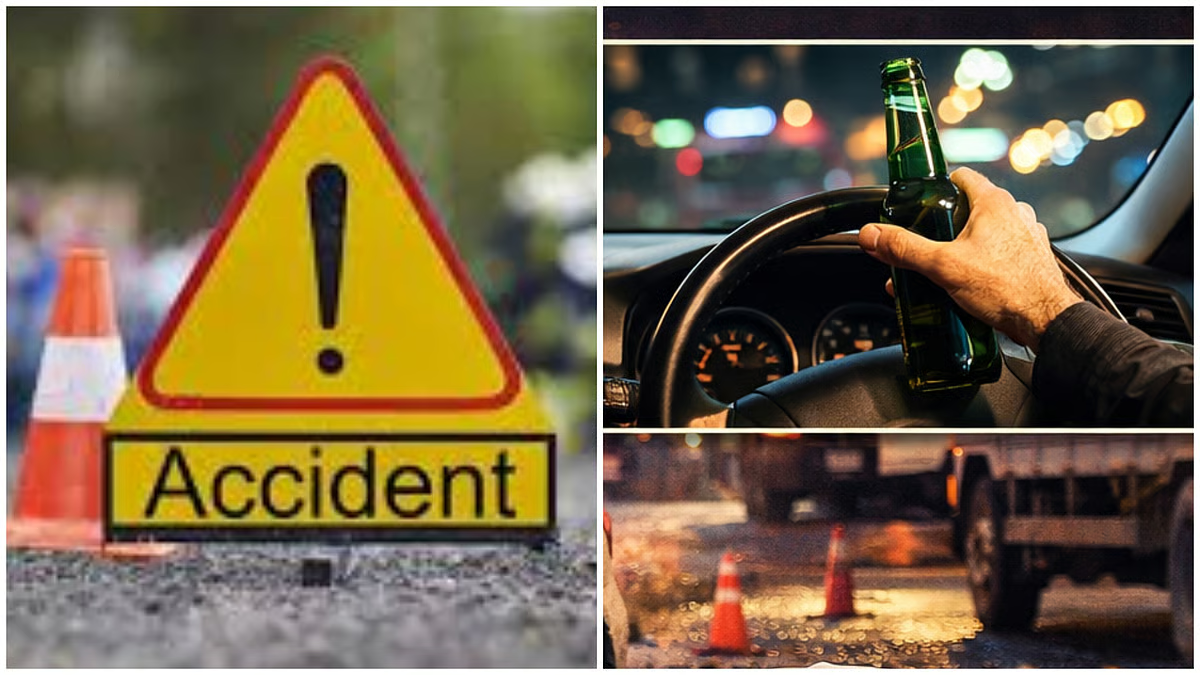
Common effects include:
- Poor judgment
- Slower responses
- Loss of vehicle control
This greatly increases accident risks.
4. Mobile Phone Use While Driving
Using mobile phones while driving is becoming increasingly dangerous.
Activities such as:
- Talking on the phone
- Texting
- Using social media
- Watching videos
can distract drivers and lead to accidents.
5. Not Wearing Helmets and Seatbelts
Helmets and seatbelts are simple but effective safety measures.
Failure to use them can result in:
- Serious head injuries
- Spinal injuries
- Fatal accidents
6. Driver Fatigue
Long-distance driving without rest causes fatigue.
Tired drivers may:
- Fall asleep
- Lose concentration
- React slowly to road conditions
7. Overloaded Vehicles
Many commercial vehicles carry loads beyond their capacity.
Overloading can:
- Reduce vehicle stability
- Damage roads
- Increase braking distance
- Cause vehicle failure
8. Poor Vehicle Safety Standards
Vehicles lacking proper safety features increase accident risks.
Important safety features include:
- Airbags
- Anti-lock Braking System (ABS)
- Electronic Stability Control (ESC)
- Strong crash protection structures
Measures to Improve Road Safety
Several practical measures can significantly reduce accidents.
E-Challan System
The E-Challan system uses digital technology to issue traffic violation notices.
Benefits include:
- Increased transparency
- Reduced corruption
- Better traffic law enforcement
- Faster penalty collection
Speed Detection Devices
Modern technology helps monitor vehicle speed.
Examples include:
- Radar guns
- Speed cameras
- Automatic speed detection systems
These devices help control over-speeding.
Better Road Engineering
Road design improvements can reduce accidents.
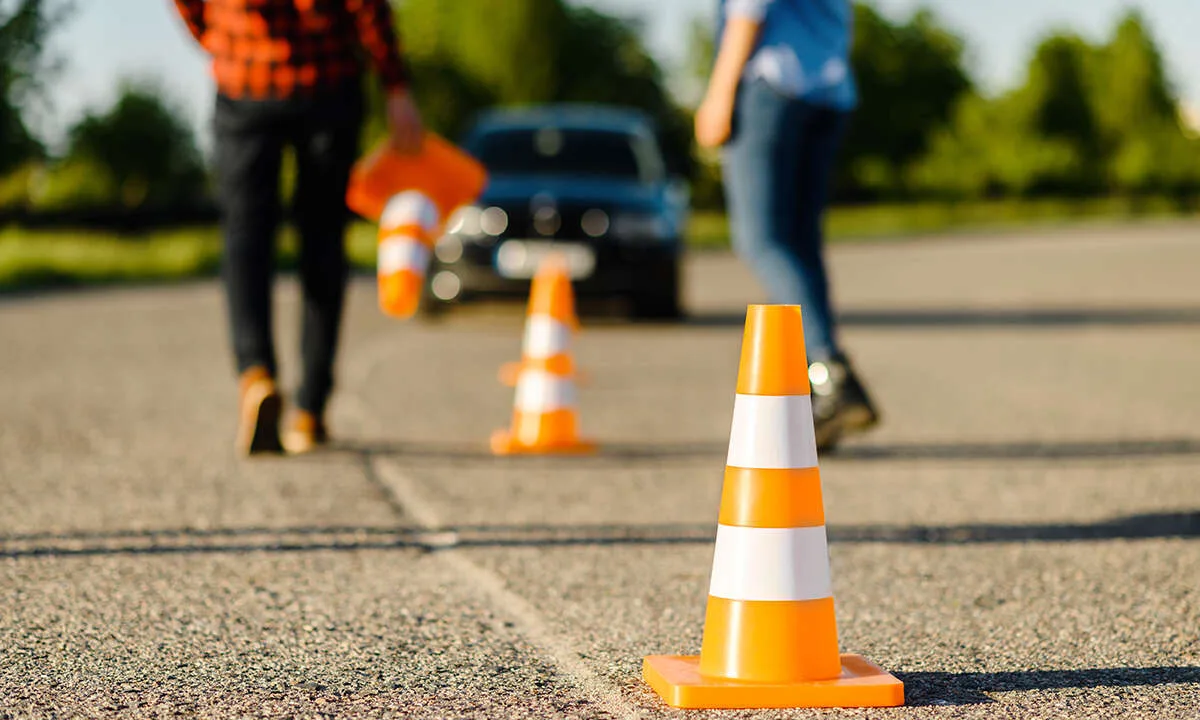
Important measures include:
- Speed breakers
- Roundabouts
- Reflective road markings
- Proper signage
- Pedestrian crossings
Strict Traffic Rules
Strong enforcement of traffic laws encourages responsible behavior.
Heavy penalties for violations such as:
- Drunk driving
- Over-speeding
- Dangerous driving
can reduce accidents.
Improved Vehicle Safety
Manufacturers should include advanced safety features in all vehicles.
Important features include:
- Airbags
- ABS
- ESC
- Crash protection systems
Role of Bystanders
People present at accident sites can save lives by:
- Calling emergency services
- Providing basic first aid
- Helping victims reach hospitals quickly
Timely assistance can prevent many deaths.
Road Safety Education
Regular awareness campaigns should educate people about:
- Traffic rules
- Safe driving habits
- Pedestrian safety
- Helmet and seatbelt use
Government Initiatives for Road Safety
The Government of India has launched several initiatives to improve road safety.
Motor Vehicles (Amendment) Act, 2019
This law introduced stricter penalties for traffic violations.
Key features include:
| Provision | Purpose |
| Higher fines | Reduce violations |
| Accident Fund | Support accident victims |
| Insurance coverage | Protection for road users |
| Road Safety Board | Improve safety planning |
Bharat NCAP
Bharat New Car Assessment Programme (Bharat NCAP) evaluates vehicle safety.
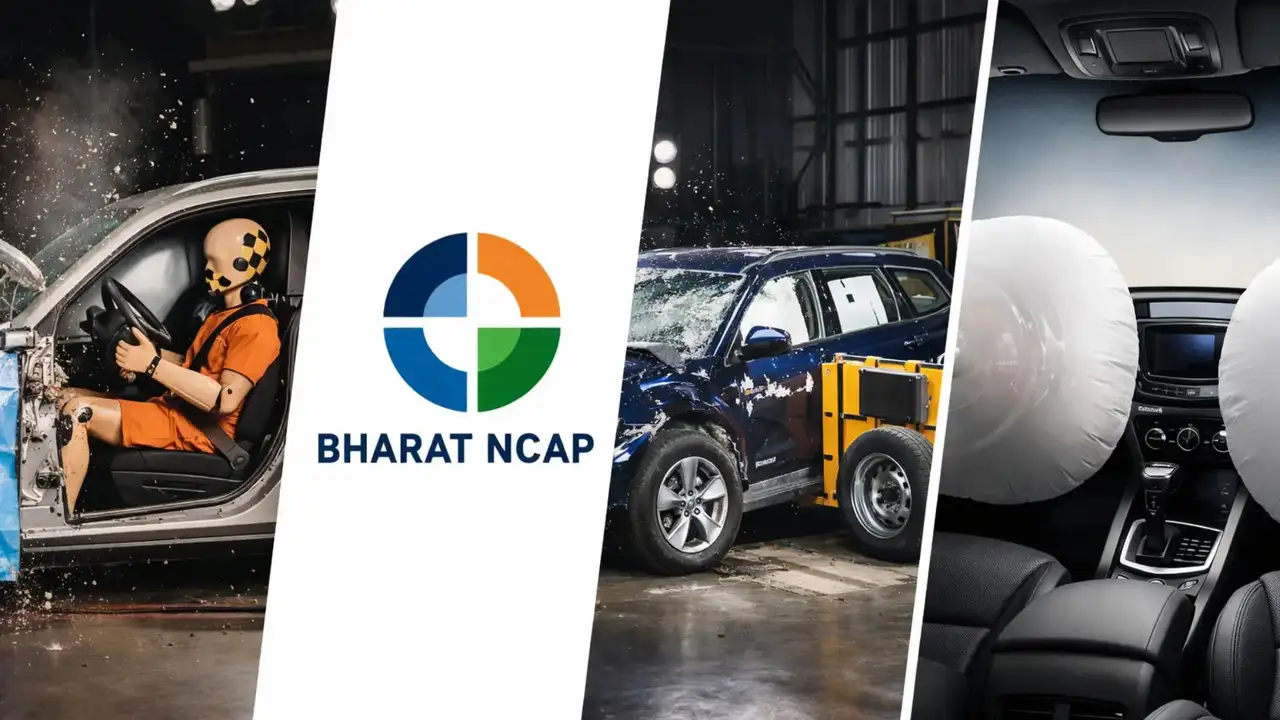
Its objectives are:
- Improve vehicle safety standards
- Inform consumers about crash performance
- Encourage manufacturers to build safer vehicles
National Highways Authority of India (NHAI)
NHAI is responsible for:
- Highway development
- Road maintenance
- Traffic management
- Highway safety improvements
Control of National Highways Act
This law helps regulate traffic and land use along national highways, reducing safety risks.
Global Initiatives for Road Safety
Brasilia Declaration on Road Safety
Many countries, including India, support the Brasilia Declaration.
Its goal is to reduce global road accident deaths and injuries.
Decade of Action for Road Safety 2021–2030
The United Nations launched this initiative to reduce road traffic deaths and injuries by 50% before 2030.
International Road Assessment Programme (iRAP)
iRAP works with governments and organizations worldwide to make roads safer and save lives.
Way Forward for Better Road Safety
Road safety requires cooperation between governments, law enforcement agencies, vehicle manufacturers, and citizens.
Important steps include:
- Increasing helmet use among motorcyclists.
- Promoting seatbelt use for all passengers.
- Improving road infrastructure.
- Strengthening traffic law enforcement.
- Enhancing vehicle safety standards.
- Expanding road safety education programs.
- Improving emergency medical response systems.
- Encouraging responsible driving behavior.
- Using technology for traffic monitoring.
- Conducting regular road safety audits.
Road Safety is not only a government responsibility but also a social responsibility. Every driver, passenger, cyclist, and pedestrian must follow traffic rules and adopt safe practices. By combining better infrastructure, stronger laws, modern technology, and public awareness, India can significantly reduce road accidents and create safer roads for everyone.
FAQs
1. What is Road Safety?
Road Safety refers to measures taken to prevent road accidents and protect all road users from injuries and deaths.
2. What are the main causes of road accidents in India?
Over-speeding, drunk driving, mobile phone use while driving, poor road conditions, and failure to wear helmets or seatbelts are major causes.
3. Why is Road Safety important?
Road Safety helps save lives, reduce injuries, lower economic losses, and improve transportation systems.
4. What is Bharat NCAP?
Bharat NCAP is India’s vehicle safety rating program that evaluates cars based on crash safety standards.
5. How does the Motor Vehicles Amendment Act 2019 improve road safety?
The Act introduced higher penalties for traffic violations and established measures to support accident victims and improve enforcement.
6. Who are Vulnerable Road Users (VRUs)?
Pedestrians, cyclists, motorcyclists, children, and elderly people are considered Vulnerable Road Users.
7. How can citizens contribute to Road Safety?
Citizens can follow traffic rules, wear helmets and seatbelts, avoid drunk driving, and help accident victims during emergencies.
8. What role does technology play in Road Safety?
Technology such as E-Challan systems, speed cameras, radar guns, and intelligent traffic management systems helps reduce violations and improve safety.