


World Heritage Sites in India

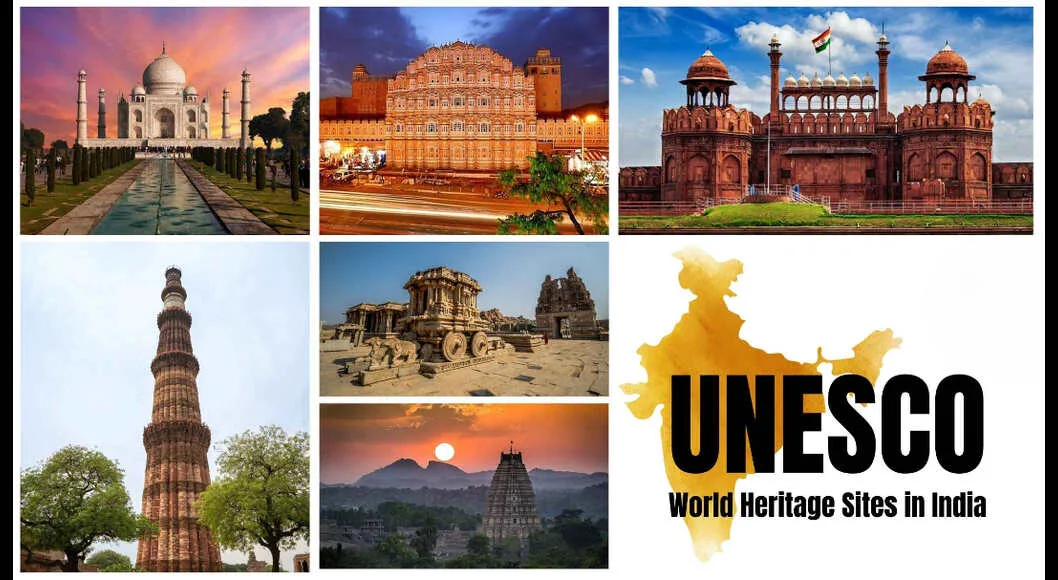
World Heritage Sites in India are among the most valuable treasures of the nation, representing its rich history, culture, architecture, and biodiversity. Recognized by UNESCO, these sites are considered to have outstanding universal value for humanity. India, with its diverse heritage, proudly hosts dozens of such sites that reflect centuries of civilization, artistic excellence, and natural beauty.
Thank you for reading this post, don't forget to subscribe!Introduction to World Heritage Sites
A World Heritage Site is a place either cultural, natural, or mixed that is officially recognized by UNESCO for its exceptional importance to humanity. These sites are protected under the World Heritage Programme, which aims to preserve and promote global heritage for future generations.
The foundation of this initiative lies in the Convention concerning the Protection of the World Cultural and Natural Heritage, adopted in 1972. This international treaty encourages countries to identify, protect, and conserve heritage sites of global significance.
India currently has 38 World Heritage Sites, which include:
- 30 Cultural Sites
- 7 Natural Sites
- 1 Mixed Site
About UNESCO
The UNESCO was established in 1945 with the goal of promoting peace through international cooperation in education, science, and culture. Headquartered in Paris, it plays a crucial role in preserving the intellectual and cultural heritage of humanity.
Cultural World Heritage Sites in India
Cultural World Heritage Sites in India represent the artistic, architectural, and historical achievements of ancient and medieval civilizations. Recognized by UNESCO, these sites highlight India’s deep-rooted traditions, religious diversity, and architectural brilliance. India has 30 cultural World Heritage Sites, each reflecting a unique chapter of history.
Mughal and Medieval Architecture
Agra Fort (1983)
Located in Agra, this 16th-century Mughal fortress is built of red sandstone. It includes magnificent structures such as the Jahangir Palace and Khas Mahal, built by Shah Jahan, along with audience halls like Diwan-i-Khas.
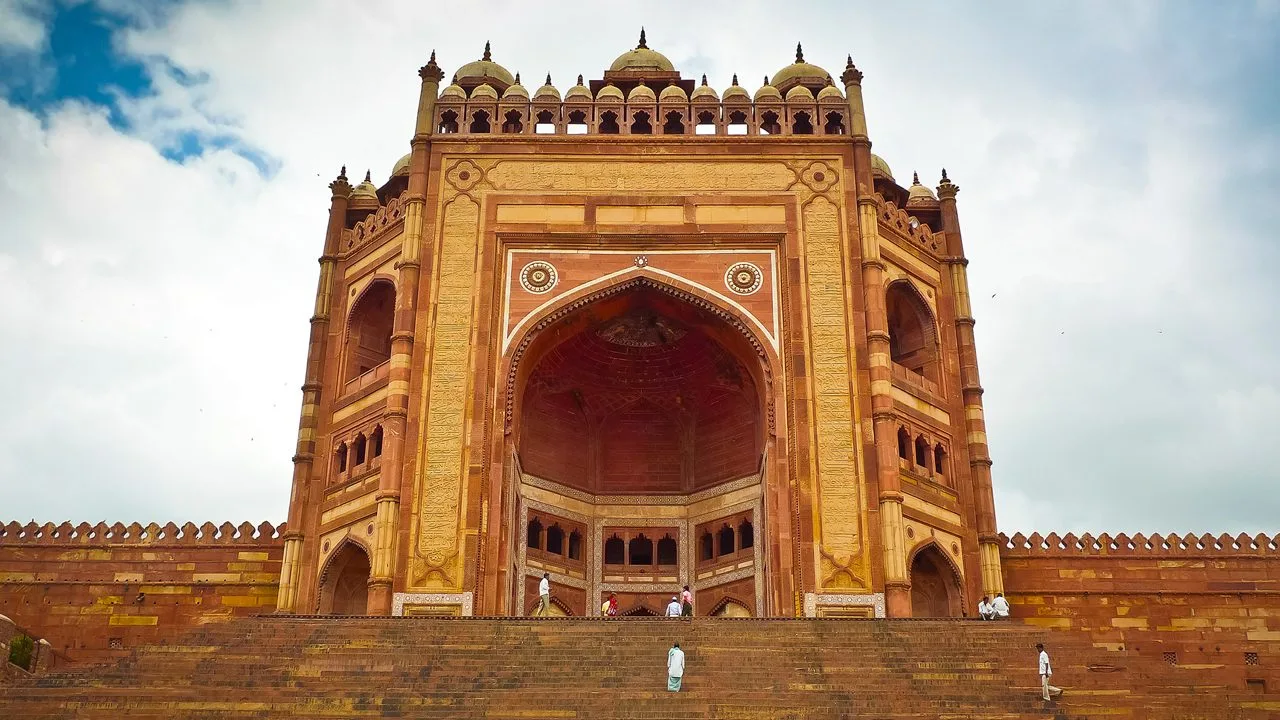
Fatehpur Sikri (1986)
Built by Akbar, this historic city served briefly as the Mughal capital. Known as the “City of Victory,” it houses remarkable monuments including Jama Masjid and showcases Indo-Islamic architecture.
Taj Mahal (1983)
The Taj Mahal is a symbol of eternal love and one of the most iconic monuments in the world. Built by Shah Jahan, it is famous for its white marble beauty and intricate craftsmanship.
Red Fort Complex (2007)
Situated in Delhi, this grand fort was the palace of Mughal emperor Shah Jahan. It reflects a blend of Persian, Timurid, and Indian architectural styles, with features like the Nahr-i-Behisht water channel.
Ancient and Religious Sites
Ajanta and Ellora Caves (1983, 1986)
Located in Maharashtra, these caves are masterpieces of rock-cut architecture. Ajanta is known for its Buddhist paintings, while Ellora features Hindu, Buddhist, and Jain sculptures.
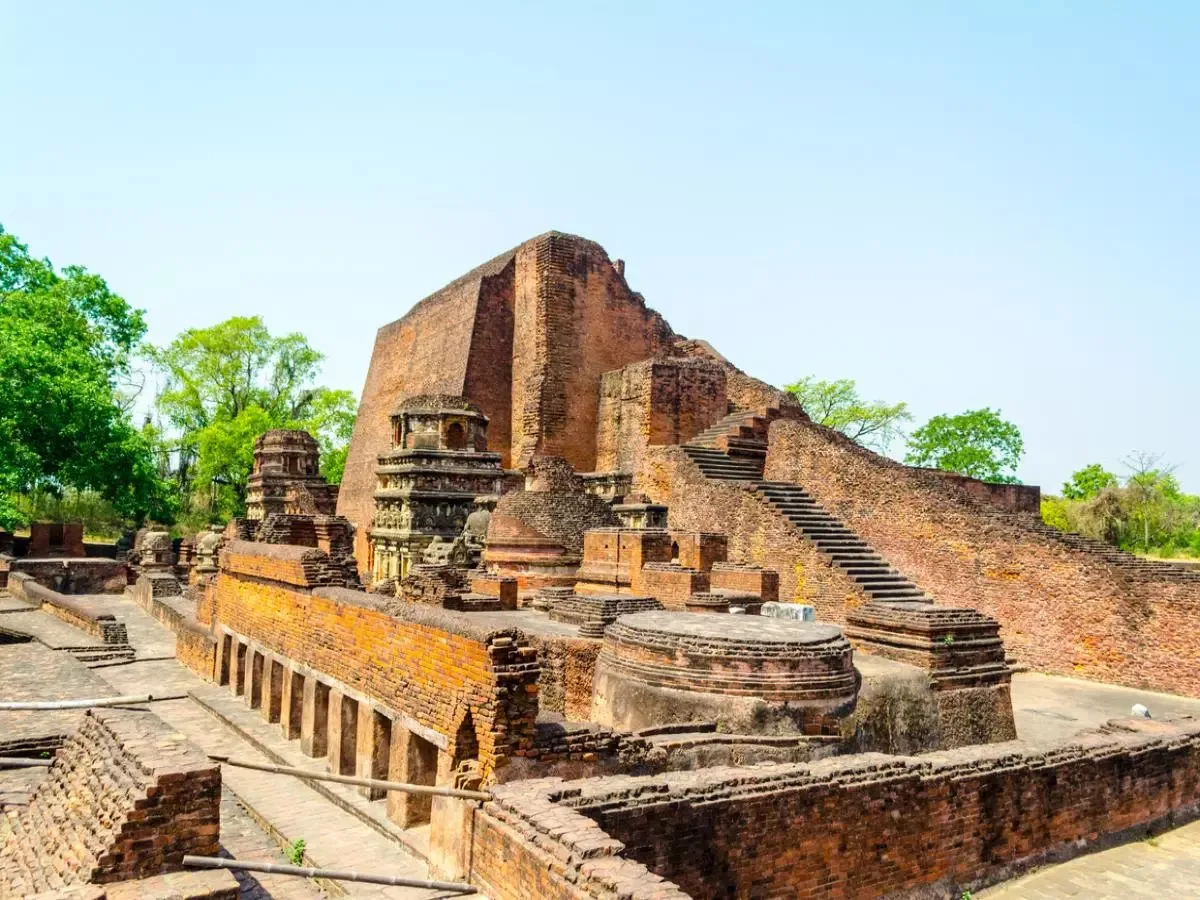
Archaeological Site of Nalanda Mahavihara (2016)
Situated in Bihar, this ancient university dates from the 3rd century BCE to the 13th century CE. It includes stupas, shrines, and viharas and is considered the oldest university in the Indian subcontinent.
Mahabodhi Temple Complex (2002)
Located in Bodh Gaya, this sacred site marks the place where Gautama Buddha attained enlightenment.
Buddhist Monuments at Sanchi (1989)
One of the oldest Buddhist sanctuaries in India, Sanchi contains stupas, monasteries, and pillars dating back to the 2nd and 1st centuries BCE.
Temple Architecture and Sacred Sites
Sun Temple, Konark (1984)
Located in Odisha, this temple is designed as a giant chariot dedicated to the Sun God, showcasing advanced architectural and sculptural skills.
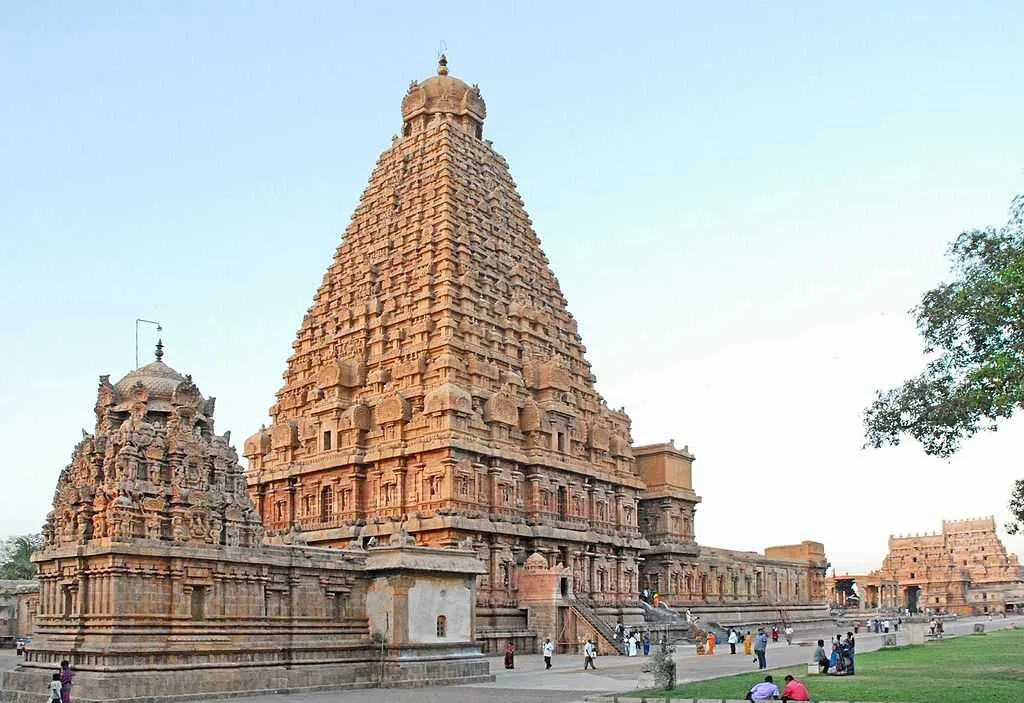
Great Living Chola Temples (1987, 2004)
These temples in Tamil Nadu were built by Chola kings and represent excellence in architecture, sculpture, painting, and bronze casting.
Khajuraho Group of Monuments (1986)
Located in Madhya Pradesh, these temples are known for their detailed and artistic sculptures depicting human life and spirituality.
Historical Cities and Urban Heritage
Historic City of Ahmedabad (2017)
Situated in Gujarat, this city reflects a blend of Hindu, Jain, and Islamic architecture, showcasing cultural harmony.
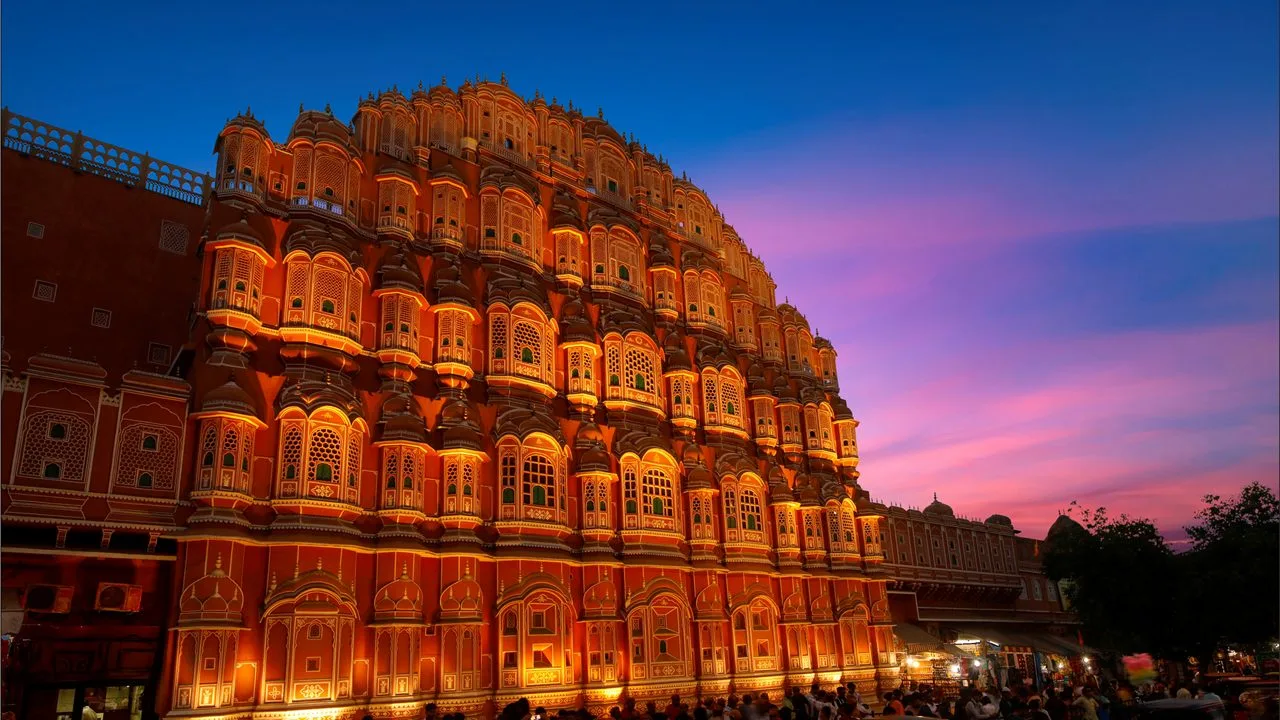
Jaipur City (2019)
The Jaipur is known as the Pink City and represents planned urban development combining Rajput and Mughal styles.
Chhatrapati Shivaji Terminus (2004)
Located in Mumbai, this railway station is an outstanding example of Victorian Gothic Revival architecture blended with Indian elements.
Archaeological and Architectural Marvels
Champaner-Pavagadh Archaeological Park (2004)
Located in Gujarat, this site includes prehistoric remains, a hill fortress, and the Kalikamata Temple. It is considered the only complete Islamic pre-Mughal city.
Rani-ki-Vav (2014)
This stepwell in Gujarat is designed like an inverted temple and features more than a thousand sculptures, emphasizing the sanctity of water.
Qutub Minar and its Monuments (1993)
Located in Delhi, this 72.5-meter-high tower is built of red sandstone and is surrounded by historical structures like Alai Darwaza and Quwwat-ul-Islam Mosque.
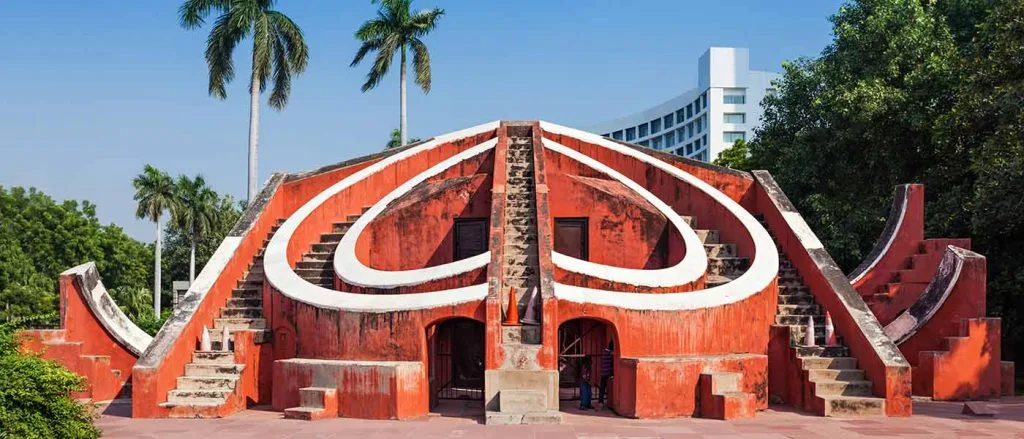
Jantar Mantar (2010)
Located in Jaipur, this astronomical observatory consists of 20 instruments used for measuring celestial positions.
Cultural Landscapes and Monuments
Group of Monuments at Hampi (1986)
Located in Karnataka, Hampi was the last capital of the Vijayanagara Empire and is known for its temples and palaces.
Group of Monuments at Mahabalipuram (1984)
Situated along the Coromandel Coast, these monuments were built by Pallava kings and include rathas, mandapas, and open-air reliefs like the “Descent of the Ganges.”
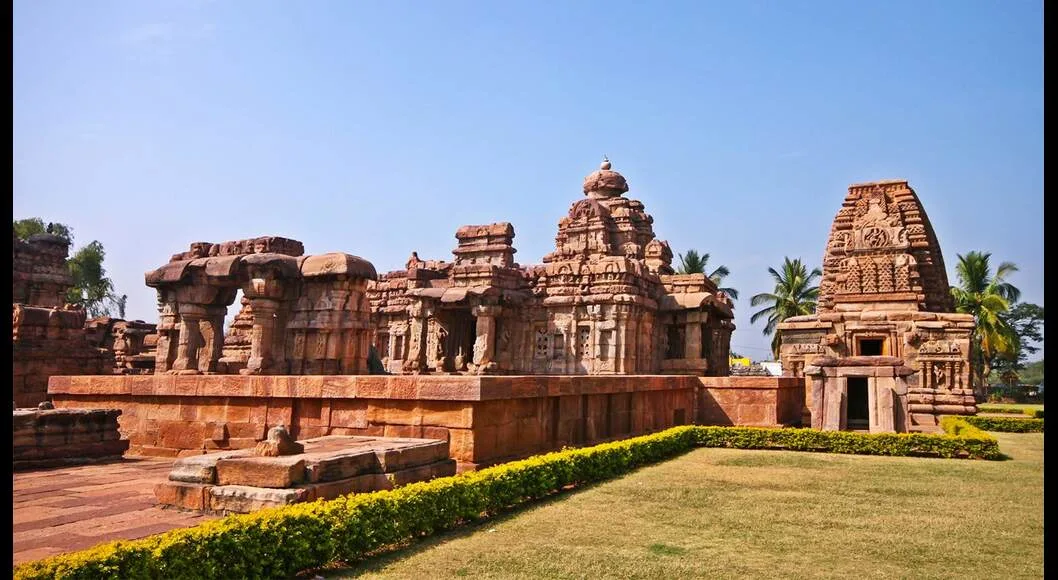
Group of Monuments at Pattadakal (1987)
Located in Karnataka, Pattadakal showcases a blend of northern and southern Indian architectural styles.
Hill Forts of Rajasthan (2013)
This group includes six forts across Rajasthan, representing Rajput military architecture and cultural heritage.
Other Significant Cultural Sites
Churches and Convents of Goa (1986)
These monuments reflect the spread of Christianity in Asia and include the Basilica of Bom Jesus.
Elephanta Caves (1987)
Located near Mumbai, these caves contain rock-cut sculptures dedicated to Lord Shiva.
Mountain Railways of India (1999, 2005, 2008)
Includes Darjeeling Himalayan Railway, Nilgiri Mountain Railway, and Kalka-Shimla Railway, representing engineering marvels in hilly terrain.
Rock Shelters of Bhimbetka (2003)
Located in Madhya Pradesh, these shelters contain prehistoric cave paintings dating back to the Mesolithic period.
The Architectural Work of Le Corbusier (2016)
This transnational site includes modern architectural contributions such as Chandigarh’s Capitol Complex.
Victorian Gothic and Art Deco Ensembles of Mumbai (2018)
These buildings represent a blend of European styles with Indian elements, showcasing Mumbai’s colonial and modern heritage.ty.
Natural World Heritage Sites in India
Natural heritage sites in India highlight the country’s immense ecological diversity, rich wildlife, and unique landscapes. These sites are recognized by UNESCO for their outstanding environmental importance.
India has 7 Natural World Heritage Sites, each representing different ecosystems ranging from Himalayan mountains to coastal mangroves.
Himalayan and Mountain Ecosystems
Great Himalayan National Park Conservation Area (2014)
Located in Himachal Pradesh, this park lies in the western Himalayan region and is known for its high alpine peaks, alpine meadows, and riverine forests.
It includes glacial and snowmelt water sources of several rivers and their catchment areas.
The park is a biodiversity hotspot, featuring around 25 types of forests and numerous animal species, many of which are endangered.
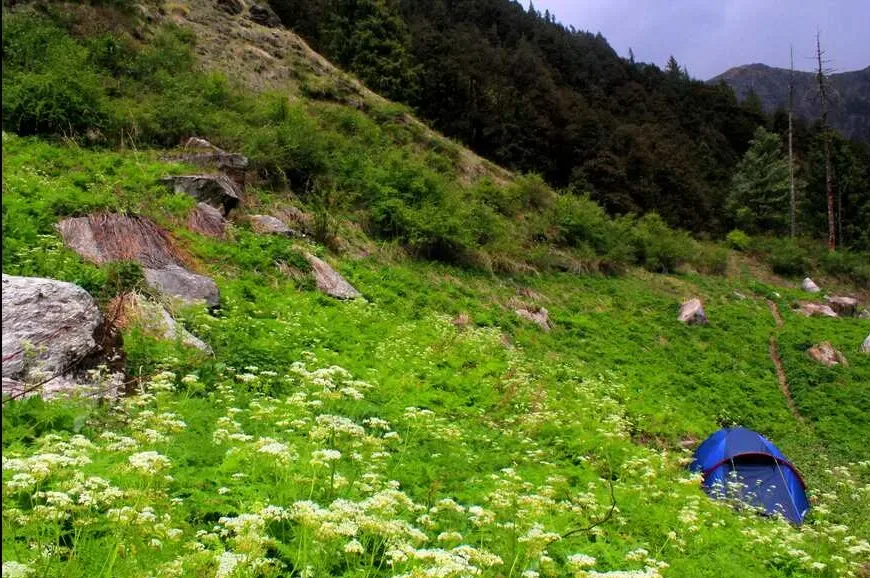
Nanda Devi and Valley of Flowers National Parks (1988, 2005)
Situated in Uttarakhand, these parks are among the most beautiful high-altitude landscapes in India.
- Nanda Devi National Park is known for its rugged mountain wilderness and is dominated by the Nanda Devi peak.
- The Valley of Flowers is famous for its colorful alpine flower meadows.
These parks are home to rare species such as the snow leopard and Himalayan musk deer.
Wildlife Sanctuaries and National Parks
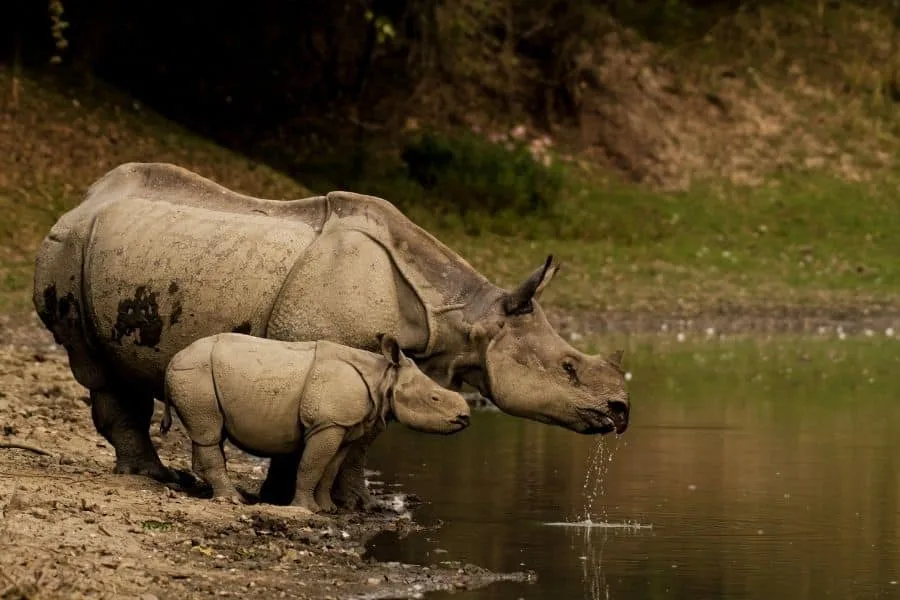
Kaziranga National Park (1985)
Located in Assam, this park is globally famous for the one-horned rhinoceros.
It is also rich in biodiversity, supporting a wide variety of wildlife species and ecosystems.
Manas Wildlife Sanctuary (1985)
Also located in Assam, this sanctuary is a major biodiversity hotspot and part of the Manas Tiger Reserve.
It features forested hills, alluvial grasslands, and tropical evergreen forests, creating a scenic and peaceful environment.
The sanctuary provides habitat to endangered species such as the tiger, pygmy hog, swamp deer, one-horned rhino, and Bengal florican.
Sundarbans National Park (1987)
Situated in West Bengal, this park is the largest mangrove forest in the world.
It is home to the famous Royal Bengal Tiger and supports a unique coastal ecosystem.
Unique Ecosystems
Keoladeo National Park (1985)
Located in Rajasthan, this wetland was once used as a duck hunting reserve until the late 19th century and became a national park in 1982.
It is home to around 375 bird species and serves as a wintering ground for migratory birds, including the critically endangered Siberian Crane.
The park also supports species like the Greater Spotted Eagle and Imperial Eagle and is known for its resident breeding bird populations.
Western Ghats (2012)
The Western Ghats form a long mountain chain running parallel to India’s western coast across states like Kerala, Maharashtra, Goa, Gujarat, Tamil Nadu, and Karnataka.
Stretching over 1600 km, they play a crucial role in influencing the Indian monsoon climate by acting as a barrier to rain-bearing winds.
This region is one of the world’s top biodiversity hotspots, containing tropical evergreen forests and over 325 globally threatened species.
Mixed Heritage Site in India
Khangchendzonga National Park (2016)
Located in Sikkim, this is India’s only mixed World Heritage Site, recognized for both cultural and natural significance. It is dominated by Mount Khangchendzonga, the third-highest peak in the world.
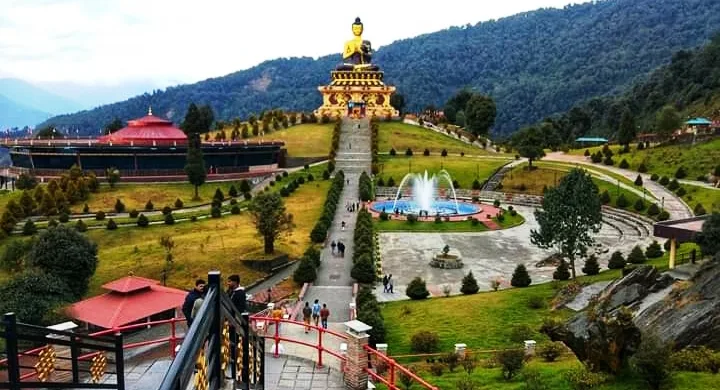
The park includes:
- Glaciers and rivers
- Sacred landscapes
- Rich biodiversity
It holds deep spiritual importance for local communities and blends natural beauty with cultural traditions.
Importance of World Heritage Sites
World Heritage Sites in India are not just tourist attractions; they serve several critical purposes:
Cultural Preservation
They help protect ancient traditions, art, and architecture from destruction.
Environmental Conservation
Natural sites preserve biodiversity and ecosystems.
Tourism and Economy
These sites attract millions of tourists, contributing to economic growth.
Education and Research
They offer valuable insights into history, science, and culture.
Challenges in Preservation
Despite their importance, these sites face several challenges:
- Urbanization and pollution
- Climate change
- Over-tourism
- Lack of awareness
Efforts are being made by the government and UNESCO to address these issues through conservation programs.
Conclusion
World Heritage Sites in India reflect the country’s glorious past, vibrant culture, and natural richness. From the majestic Taj Mahal to the biodiversity of Kaziranga National Park, each site tells a unique story.
Preserving these sites is not just the responsibility of the government but of every citizen. They are a legacy passed down through generations and must be protected for the future.
India’s World Heritage Sites continue to inspire, educate, and connect people across the globe, making them an invaluable part of humanity’s shared heritage.
FAQs
1. What are World Heritage Sites in India?
World Heritage Sites in India are places recognized by UNESCO for their cultural, natural, or historical importance.
2. How many World Heritage Sites are there in India?
India has 38 World Heritage Sites, including cultural, natural, and one mixed site.
3. Which is the most famous World Heritage Site in India?
The Taj Mahal is the most famous World Heritage Site known worldwide.
4. What is a mixed World Heritage Site?
A mixed site has both cultural and natural significance. Khangchendzonga National Park is the only one in India.
5. Why are World Heritage Sites important?
They help preserve history, culture, biodiversity, and promote tourism and education.
6. Who manages World Heritage Sites globally?
They are managed and protected under the World Heritage Programme by UNESCO.