Medieval and Modern Indian Literature: Complete Guide to Indian Heritage & Culture

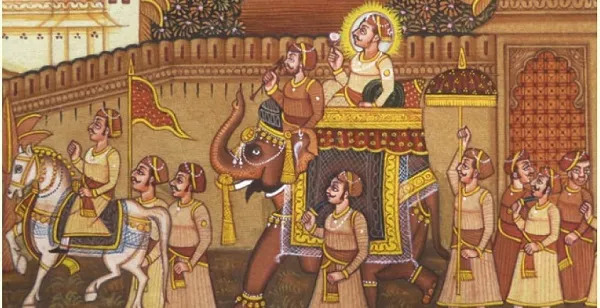
Medieval and Modern Indian Literature is an important part of India’s rich heritage and culture. It shows how people lived, believed, and expressed their thoughts over time. From devotional poetry in the medieval period to modern novels and nationalist writings, Indian literature reflects social change, religious ideas, and cultural diversity.
Thank you for reading this post, don't forget to subscribe!Introduction to Medieval and Modern Indian Literature
Medieval and Modern Indian Literature covers a long period of history. The medieval period is generally from 600 AD to 1700 AD, while the modern period begins from the late 19th century and continues today.
- Medieval literature focused mainly on religion, devotion, and spirituality
- Modern literature focused on nationalism, social reform, and real-life issues
Both periods played an important role in shaping Indian culture and identity.
Medieval Indian Literature (600 AD – 1700 AD)
Medieval and Modern Indian Literature begins with the medieval phase, which saw major changes in language, religion, and writing styles.
Key Features of Medieval Indian Literature
Religious Influence
Most literature was based on religion, devotion, and spirituality. Temples, Puranas, and religious beliefs strongly influenced writing.
Rise of Regional Languages
Writers started using local languages like Hindi, Tamil, Kannada, and Bengali instead of Sanskrit, making literature easy for common people.
Bhakti and Sufi Movements
These movements made literature simple and emotional. They promoted unity, devotion, and equality in society.
Oral Tradition
Many stories and poems were passed orally by singers and storytellers because literacy was low.
Limited Literacy
Only a small group of people, mainly Brahmins and elites, could read and write.
Phases of Medieval Indian Literature
1. Early Medieval Period (7th – 14th Century)
- Rise of devotional poets like Alwars and Nayanmars in South India
- Literature mainly in Tamil and regional languages
- Focus on devotion to God and personal spirituality
2. Late Medieval Period (14th – 18th Century)
- Famous poets like Kabir, Guru Nanak, and Tulsidas
- Growth of Bhakti and Sufi poetry
- Literature became more popular among common people
Language Situation in Medieval Period
Medieval and Modern Indian Literature shows important language changes during this time.
Linguistic Tensions
Writers had to choose between Sanskrit (supported by kings like Pallavas and Cholas) and regional languages promoted by the Bhakti movement. Even Vaishnavas were divided into Thenkalai (Tamil) and Vadakalai (Sanskrit) groups.
1. Sanskrit
- Language of educated elites and Brahmins
- Used in Vedas, Puranas, and scholarly texts
- Not spoken by common people
2. Apabhramsa
- Developed from Prakrit (700–1000 CE)
- Became an important literary language over time
3. Decline of Pali
- Pali lost importance after the 12th century
- Last works include Padya Chudamani and Jinacharita
- Sanskrit again became important in Buddhist texts
4. Tamil
- One of the oldest Indian languages
- Very rich in Bhakti literature
- Reached its peak during the Chola period
Important Medieval Literature Works
Sanskrit Literature
- Ramcharit by Sandhyakar Nandi
- Gita Govinda by Jayadeva
- Dayabhaga by Jimutavahana
- Works by Chakrapani Dutta and Ballal Sen also important
Tamil Literature
- Ramavatharam by Kamban
- Aathichudi by Avvaiyar
- Raghav-Padaviya inspired by Ramayana
These works are key examples of Medieval and Modern Indian Literature.
Cultural Features of Medieval Literature
Loss of Folk Literature
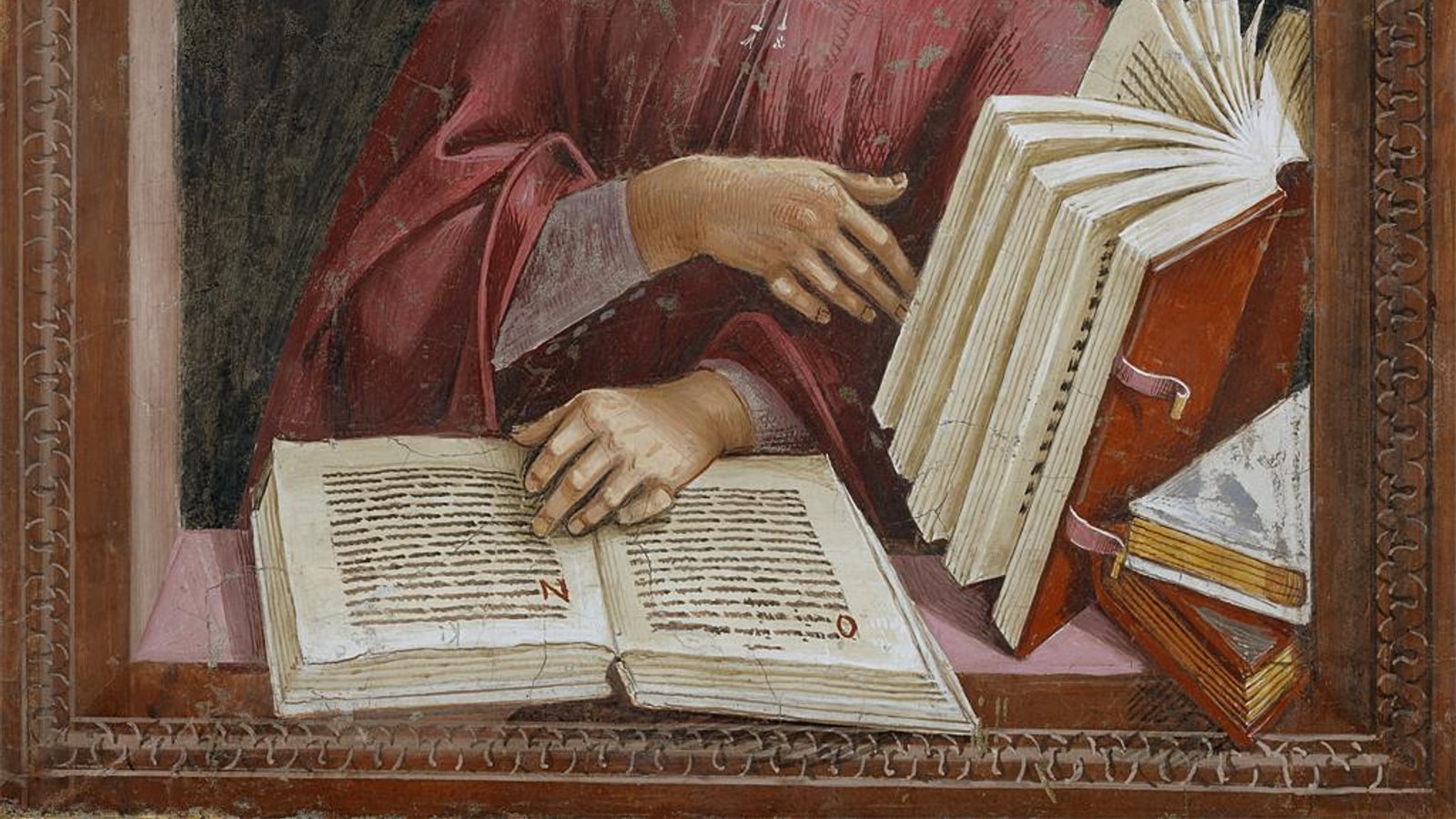
Many folk stories were not preserved because they were not written down.
Modes of Transmission
Most literature spread through oral storytelling due to lack of books and education.
Places of Performance
- Court literature was for kings and elites
- Temple performances were for common people
Status of Authors
- Court poets were mostly educated Brahmins
- Bhakti poets came from all social groups, including lower castes
Audience Dynamics
Sanskrit literature was mainly for elite groups (gosthis), while Bhakti literature connected with common people. Poets often focused on entertainment and emotional appeal.
Limited Role of Women
Very few women writers were known, such as Akka Mahadevi and Karaikkal Ammaiyar, though they made strong contributions.
Impact of Religion on Medieval Literature
Religion played a very important role in Medieval and Modern Indian Literature, especially during the medieval period.
Key Points
- Rise of Brahmanism with concepts like the Trimurti (Brahma, Vishnu, Shiva)
- Decline of Buddhism and Jainism
- Growth of temple culture, idol worship, and rituals
- Development of different sects like Shaivism, Vaishnavism, and Shaktism
Role of Puranas
- Puranas like Bhagavata Purana and Markandeya Purana promoted religious ideas
- They included stories of gods, creation, and cosmic cycles
- 18 major Puranas and many Upa-puranas helped spread religious beliefs
- They shaped social and cultural life in India
Sacred Geography
Books like the Ramayana and Mahabharata created a feeling of unity by describing holy rivers, mountains, and places across India, even during political divisions.
Realism in Literature
Medieval literature included both mythical elements and real-life experiences.
Writers started describing everyday life, especially in Buddhist Sahajiya poetry.
Philosophers and Thinkers
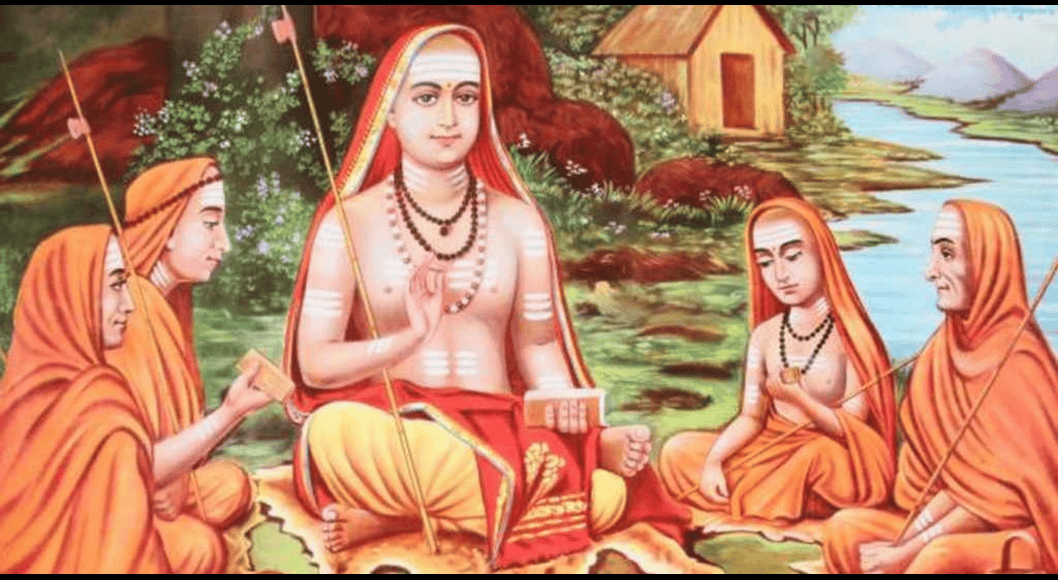
- Adi Shankaracharya – Explained non-dualism (Advaita) and the idea of Maya (illusion)
- Ramanuja – Introduced qualified non-dualism, accepting the real world as part of Brahman
Their teachings deeply influenced Medieval and Modern Indian Literature..
Impact of Bhakti Movement on Literature
The Bhakti Movement is one of the most important parts of Medieval and Modern Indian Literature. It made literature simple, emotional, and closer to the lives of common people.
Main Features
1. Devotion to God
The Bhakti Movement focused on personal devotion to a chosen god like Krishna and Rama. This devotion was often shown through love poetry, where the relationship with God was like that of a lover, friend, or child.
2. Use of Local Languages
Poets used regional languages instead of Sanskrit. This made literature easy to understand and helped the growth of languages like Hindi, Kannada, and Rajasthani.
3. Social Equality
The movement opposed the caste system and taught that everyone is equal. Many poets came from lower castes and gave voice to common people.
4. Religious Harmony
It promoted unity between Hinduism and Islam. Saints like Kabir and Guru Nanak taught that God is one and lives in every person.
5. Important Bhakti Poets
Famous poets include Kabir, Meera Bai, Tulsidas, and Guru Nanak, who wrote about devotion, love, and humanity.
6. Personal and Mystical Experience
The Bhakti Movement focused on direct personal experience of God instead of rituals. This created deep spiritual and emotional poetry.
7. Diverse Poetic Forms
It developed many poetic styles by combining local traditions and ancient epics, making literature rich and meaningful.
8. Women’s Contribution
Women poets like Meera Bai and Lal Ded played an important role. They expressed devotion and also challenged social rules of their time.
Modern Indian Literature (19th Century to Present)
Now we move to the modern phase of Medieval and Modern Indian Literature.
Key Features of Modern Indian Literature
- Influence of British Rule
Western education and ideas influenced writing. - Rise of Nationalism
Literature became a tool for freedom struggle. - Social Reform Themes
Issues like caste, gender equality, and poverty were discussed. - Growth of Novels and Drama
New literary forms developed. - Use of English Language
Many Indian writers started writing in English.
Development of Modern Literature
- Started during British rule
- Influenced by Western culture
- Growth of printing press helped spread literature
Important Writers
- Bankim Chandra Chattopadhyay
- Rabindranath Tagore
- Munshi Premchand
- Sarat Chandra Chattopadhyay
These writers shaped Medieval and Modern Indian Literature into what it is today.
Hindi Literature in Modern Period
Phases of Hindi Literature
- Bharatendu Yug (1868–1893)
- Dwivedi Yug (1893–1918)
- Chhayavaad Yug (1918–1937)
- Contemporary Period (1937–Present)
Famous Writers
- Bharatendu Harishchandra
- Munshi Premchand
- Mahadevi Verma
- Suryakant Tripathi Nirala
Their works focused on society, poverty, and women’s struggles.
Bengali Literature
Bengali literature played a major role in Medieval and Modern Indian Literature.
- Bankim Chandra Chattopadhyay wrote Anand Math
- Rabindranath Tagore wrote Gitanjali
- Raja Ram Mohan Roy supported modern ideas
The printing press started by William Carey helped in spreading literature.
Assamese and Odia Literature
Assamese Literature
- Shift from royal chronicles (Buranjis) to social issues
- Writers like Padmanaba Gohain Barua focused on common people
Odia Literature
- Writers like Fakir Mohan Senapati and Radhanath Ray
- Strong nationalist themes
Gujarati and Rajasthani Literature
Gujarati Literature
- Influenced by Bhakti movement
- Narsinh Mehta wrote devotional songs
- Saraswati Chandra by Govardhanram Tripathi is famous
Rajasthani Literature
- Rich in folk stories and devotion
- Mirabai is a key figure
Punjabi, Marathi, Sindhi, and Kashmiri Literature
Punjabi Literature
- Influenced by Sufi and Sikh traditions
- Guru Granth Sahib includes works of Baba Farid and Namdev
- Stories like Heer-Ranjha are popular
Marathi Literature
- Dnyaneshwar wrote Amrutanubhav
- Namdev wrote devotional songs
- Bal Gangadhar Tilak and M G Ranade supported literary growth
Sindhi Literature
- Influenced by Sufism
- Writers like Mirza Kalich Beg
Kashmiri Literature
- Includes Rajatarangini by Kalhana
- Mystical poetry by Lal Ded
Role of Modern Literature in National Movement
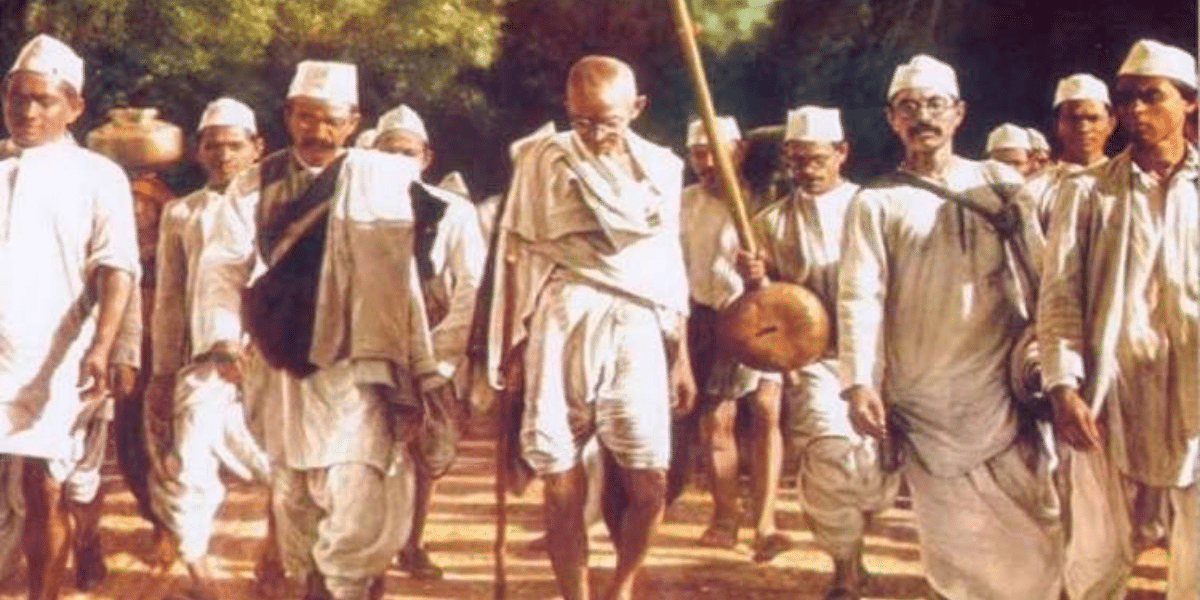
Medieval and Modern Indian Literature played a very important role in India’s freedom struggle and in shaping Indian national identity during the colonial period.
1. Nationalism through Literature
Writers used literature to inspire people to fight against British rule. Their works created unity among Indians and developed a strong sense of nationalism by connecting people with India’s culture and history.
2. Role of Indian Writers in Nationalism
Bankim Chandra Chattopadhyay was one of the first writers to combine nationalism with Indian traditions. His novels like Durgesh Nandini and Anand Math spread patriotic feelings and encouraged people to resist colonial rule.
Rabindranath Tagore gave a new meaning to nationalism by promoting unity in diversity, tolerance, and spiritual values. His novel Gora showed an inclusive and broad idea of Indian identity.
Subramania Bharati wrote powerful poems about freedom, equality, and social reform. He strongly opposed untouchability and supported national unity.
3. Patriotic and Reformist Literature
During the 19th and early 20th centuries, many writers like Bharatendu Harishchandra, Mirza Ghalib, and Rangalal used literature to oppose British rule and highlight India’s rich heritage. At the same time, they also focused on social reforms.
Historical novels by writers like Hari Narayan Apte and Bankim Chandra reminded people of India’s glorious past and motivated them to fight for freedom.
4. Role of Novels and Social Reform
Early novels such as Phulmani O Karunar Bibaran, Pratap Mudaliar Charithram, and Sri RangaRaja Charitra highlighted social issues like caste discrimination, untouchability, and widow remarriage.
These works encouraged people to reform society while preserving Indian cultural values.
5. Impact on Society
Literature became a powerful tool in Medieval and Modern Indian Literature by:
- Raising awareness about social problems
- Promoting equality and education
- Encouraging women’s rights
- Inspiring people for national unity and freedom
Through these efforts, literature helped in both freedom struggle and social change in India.
Conclusion
Medieval and Modern Indian Literature is a mirror of India’s history, culture, and society. Medieval literature focused on devotion and religion, while modern literature focused on nationalism and social reform.
Together, they show how India evolved over time and how literature played a key role in shaping people’s thoughts and identity.
FAQs on Medieval and Modern Indian Literature
1. What is Medieval Indian Literature?
It is literature written between 600 AD and 1700 AD, mainly focused on religion and devotion.
2. What is Modern Indian Literature?
It is literature from the 19th century onwards, focusing on nationalism, social reform, and modern issues.
3. What is the Bhakti Movement?
It was a religious movement that promoted devotion to God and equality among people.
4. Why is Indian literature important?
It helps us understand India’s culture, history, and social changes.
5. Who are famous Indian writers?
Kabir, Tulsidas, Rabindranath Tagore, and Premchand are some famous writers.