



Sickle Cell Mission 2047

Sickle Cell Mission is a major health initiative by India aimed at eliminating Sickle Cell Anaemia by the year 2047. The mission reflects a long-term vision to improve public health and reduce the burden of genetic diseases across the country. It was launched on 1 July 2023 in Shahdol and focuses on screening, diagnosis, awareness, and treatment.
Thank you for reading this post, don't forget to subscribe!This initiative is especially important for communities where the disease is more common, including many tribal regions. It brings together healthcare services, technology, and community outreach to address the issue in a structured way.
Understanding Sickle Cell Anaemia
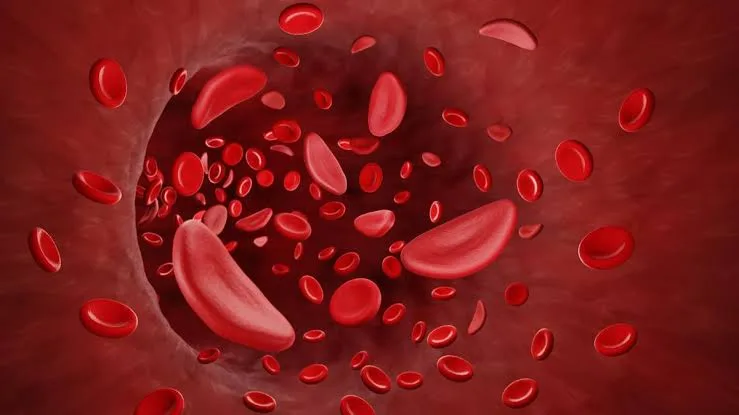
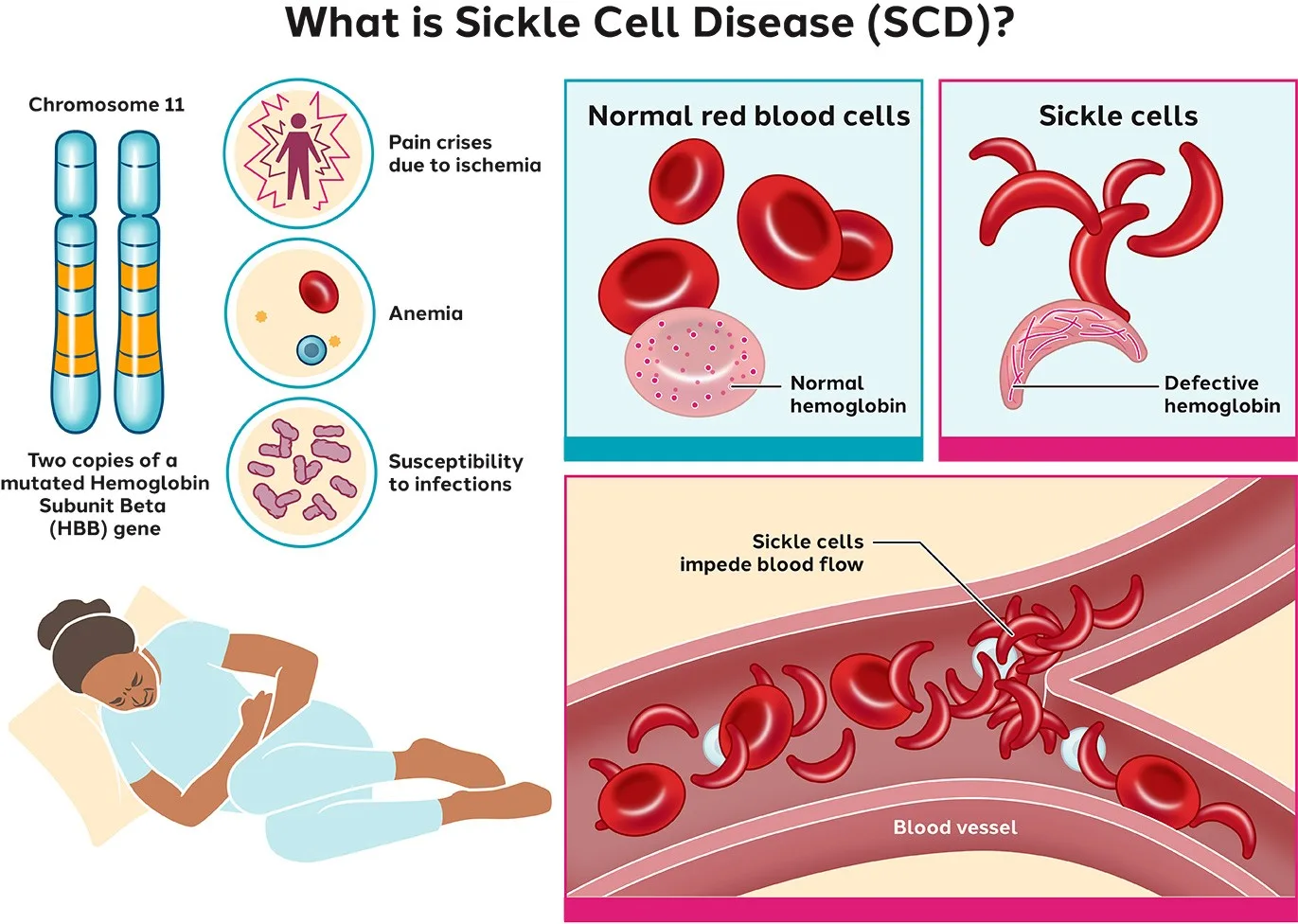
Sickle cell anaemia is a genetic condition that affects red blood cells. It is caused by an abnormal form of haemoglobin known as haemoglobin S. This makes the red blood cells become stiff and shaped like a crescent or sickle.
These irregular cells can block blood flow and reduce oxygen supply in the body. This leads to pain, fatigue, and other health complications. Since the condition is inherited, a person must receive the gene from both parents to develop the disease.
Carriers of the gene may not show symptoms, but they can pass it on to their children. This makes awareness and early detection very important.
Structure of the National Mission
The National Sickle Cell Anaemia Elimination Mission works under the guidance of the Ministry of Health and Family Welfare along with the Ministry of Tribal Affairs.
The mission is based on three main pillars. The first is health promotion, which focuses on spreading awareness and providing genetic counselling. The second is prevention, which includes large-scale screening programs. The third is holistic management, which ensures proper care and support for patients.
This structured approach helps in addressing the disease from multiple angles.
Large-Scale Screening Across India
One of the most important parts of the mission is screening. Millions of people across the country are being tested to identify both patients and carriers.
By September 2024, over 42 million people had already been screened. Among them, more than 163,000 individuals were found to have the disease, while over 1.1 million were identified as carriers.
By June 2026, the number of people screened had crossed seven crore. This large-scale effort shows how seriously the issue is being addressed.
Focus on Tribal and Rural Areas
The mission gives special attention to tribal regions, where sickle cell disease is more common. These areas often face challenges such as limited healthcare access and lack of awareness.
By focusing on these regions, the programme aims to reduce health inequalities. Mobile health units, local awareness campaigns, and community participation are key parts of this effort.
This approach ensures that even remote populations are included in the healthcare system.
Role of Technology and Data
Technology plays an important role in the success of the mission. Digital tools are used to track screening data, monitor patients, and manage healthcare services.
This helps in better planning and faster response. It also ensures that patients receive continuous care and follow-up support.
Data collected through the mission is useful for understanding disease patterns and improving strategies.
Growing Awareness and Public Participation
Public awareness is a key part of the Sickle Cell Mission. Campaigns are being conducted to educate people about the disease, its causes, and prevention.
Genetic counselling is also being promoted so that families can make informed decisions. Schools, local groups, and healthcare workers are actively involved in spreading awareness.
This growing participation is helping to reduce stigma and encourage early testing.
Impact on Healthcare System
The mission is strengthening the overall healthcare system in India. It is improving diagnostic facilities, training healthcare workers, and expanding medical services.
By focusing on a specific disease, the programme is also helping build capacity for handling other health challenges. This creates long-term benefits for public health.
Future Outlook and Health Goals
The goal of eliminating sickle cell anaemia by 2047 aligns with India’s broader vision of improving health and well-being. It also reflects the country’s commitment to addressing genetic disorders through modern healthcare approaches.
As the mission continues, more people are expected to benefit from early diagnosis and proper care. This will help reduce the impact of the disease over time.

Additional Perspective on Public Health
The Sickle Cell Mission also highlights the importance of preventive healthcare. Instead of focusing only on treatment, the programme emphasizes early detection and awareness. This approach is becoming increasingly important in modern healthcare systems, where prevention can reduce long-term costs and improve quality of life.