₹82.5Cr Bamboo Projects Northeast: Boosting Livelihoods and Sustainable Growth

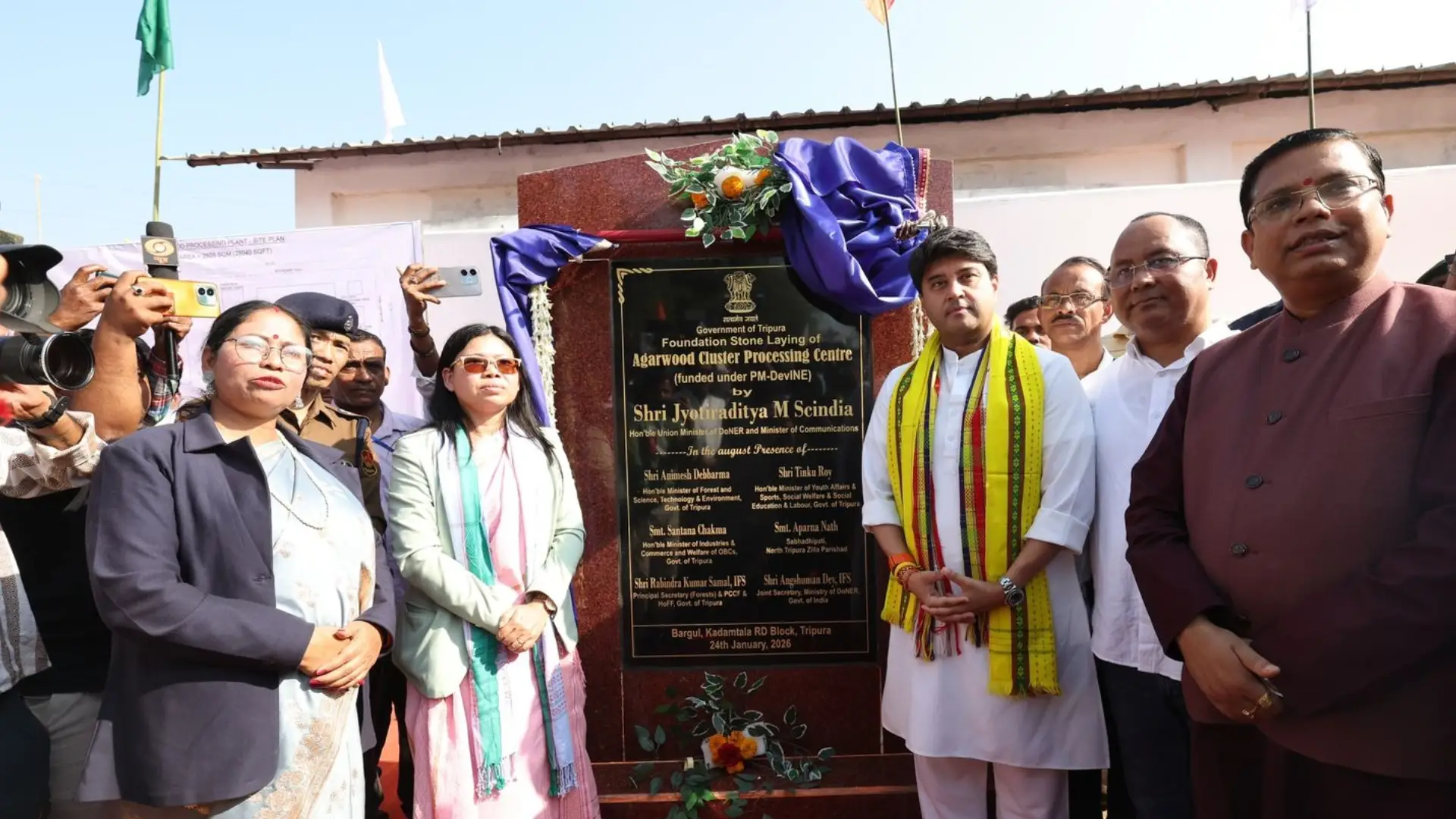
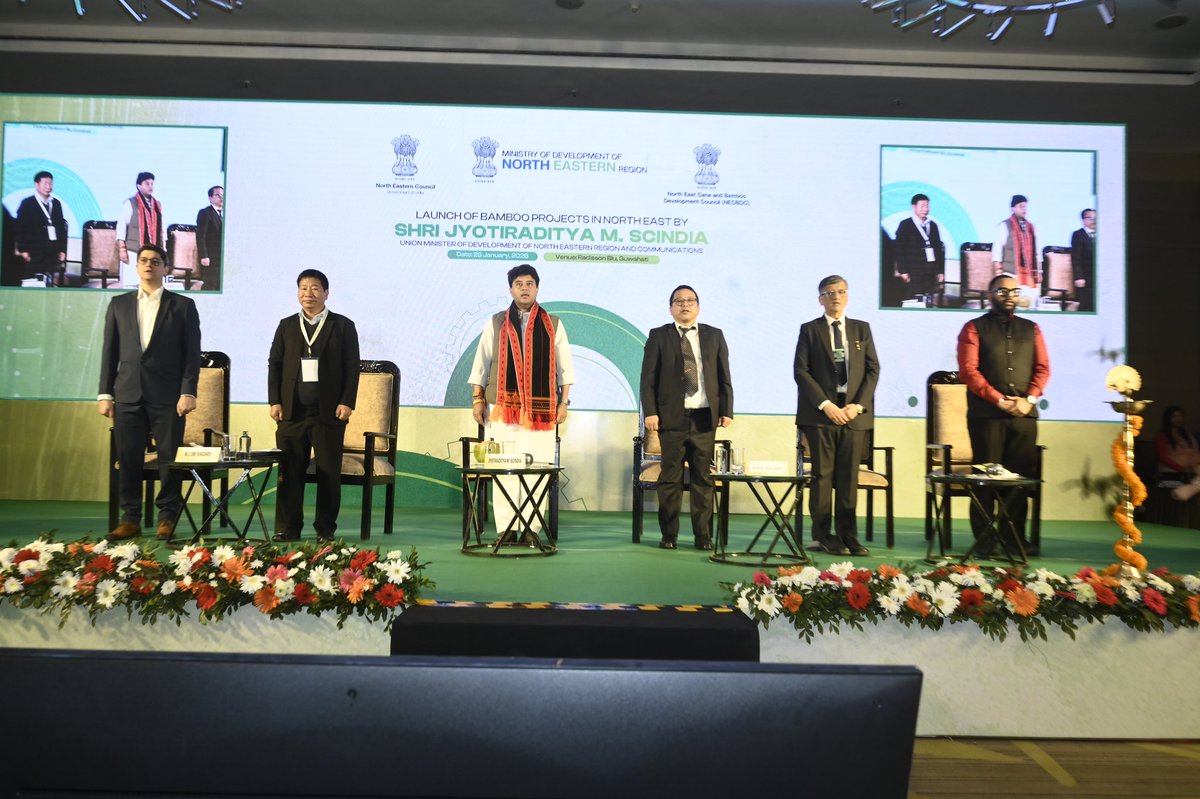
The ₹82.5Cr Bamboo Projects Northeast were launched by Union Minister Jyotiraditya M. Scindia on Monday in Guwahati. These major bamboo sector initiatives aim to strengthen livelihood opportunities, promote sustainable industries, and integrate the North Eastern Region more closely with national markets.
Thank you for reading this post, don't forget to subscribe!Boosting the Bamboo Economy in the Northeast
At the launch event, Minister Scindia highlighted the transformation of the North East under Prime Minister Narendra Modi’s leadership. He described the region’s journey from a “frontier area” to a “frontrunner of India,” emphasizing that improved connectivity, infrastructure, and economic opportunities have played a crucial role.
Bamboo, he noted, has become a strategic resource for inclusive growth. Traditionally abundant in the region, bamboo is now being seen not just as raw material but as a driver for employment, sustainable industry, and innovative products.
Empowering Artisans and Youth
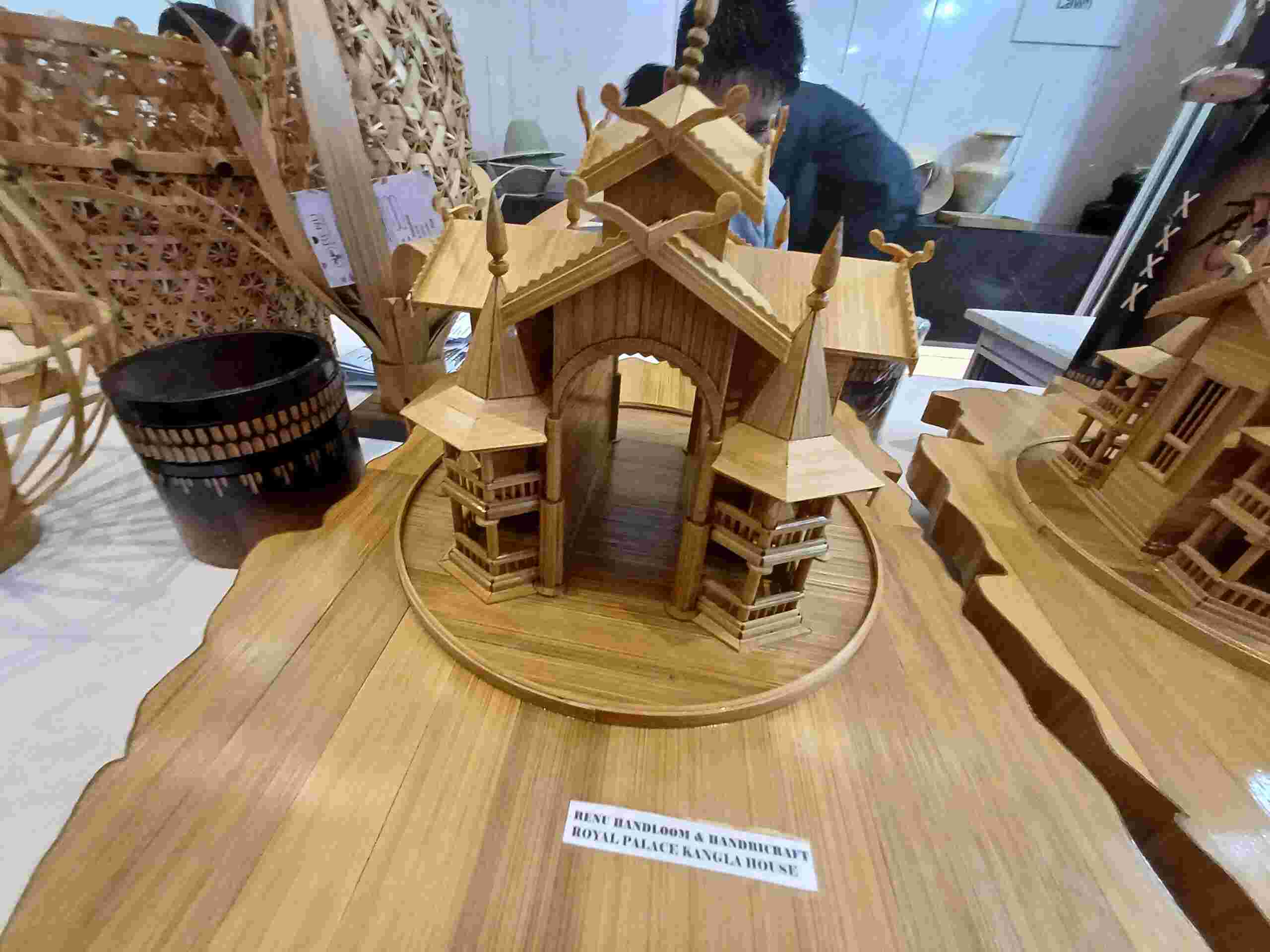
One of the key aspects of the ₹82.5Cr Bamboo Projects Northeast initiative is the establishment of a traditional bamboo artisans’ cluster. This cluster will focus on training over 4,400 young people in bamboo craftsmanship, providing them with skills that can generate long-term income and career opportunities.
Minister Scindia stressed that this initiative goes beyond employment—it is about preserving traditional skills while making them commercially viable. The artisans’ cluster will help communities shift from selling raw bamboo to producing value-added products, increasing their earnings significantly.
Engineered Bamboo Manufacturing Units
As part of the program, two Engineered Bamboo Products manufacturing units will be set up. One will be located in Karbi Anglong district of Assam, and the other in Mokokchung district of Nagaland. These units will produce bamboo-based materials for furniture, construction, and other industries.
The move is expected to reduce dependence on raw material sales and foster innovation in bamboo-based manufacturing. By producing engineered bamboo products locally, the projects will help the region capture higher market value for its abundant natural resources.
Strengthening Market Access Through Partnerships
To ensure these projects are commercially viable, the North East Cane and Bamboo Development Council has signed three memoranda of understanding with major private sector companies: Amazon, Flipkart, and All Time Plastics.
These partnerships aim to create strong market linkages for bamboo products, connecting artisans and manufacturers in the North East to national and global supply chains. By improving access to these markets, the projects are expected to drive higher incomes for local communities and promote the region as a center for bamboo-based industries.
Bamboo: A Strategic Resource
Bamboo is often overlooked but is a highly versatile and sustainable resource. Under Indian law, bamboo is classified as a grass rather than a tree, which allows for easier harvesting and use. Engineered bamboo products, which are made by processing raw bamboo, are now widely used in construction, furniture, and eco-friendly goods.
The focus on bamboo in the North East is part of a broader development vision: to use sustainable natural resources, promote green industries, and create meaningful jobs for young people. With abundant bamboo reserves, the region has the potential to become a national hub for bamboo-based manufacturing, contributing to climate-resilient growth and economic self-reliance.
Promoting Green Industries and Local Livelihoods
The ₹82.5 crore investment in bamboo projects reflects the government’s commitment to sustainable and inclusive development. By encouraging engineered bamboo production and improving skills among artisans, these projects create an ecosystem where local communities benefit directly from their natural resources.
Bamboo cultivation and processing not only generate income but also contribute to environmental sustainability. Bamboo is fast-growing, absorbs carbon dioxide efficiently, and can be used to replace timber in many applications. This makes bamboo-based industries a key part of the North East’s green growth strategy.
Future Prospects
The launch of these projects marks a significant step towards economic integration of the North Eastern Region with national and international markets. By focusing on skill development, industrial units, and market linkages, the government aims to unlock the full potential of bamboo as a driver of growth.
Young artisans trained under this initiative will gain the skills to compete in modern markets, while engineered bamboo units will boost the production of high-value products. With partnerships with e-commerce and manufacturing giants, the reach of these products is set to expand far beyond the region, bringing recognition and revenue to the North East.
Through initiatives like the ₹82.5Cr Bamboo Projects Northeast, the region is moving towards a future where economic opportunity, environmental sustainability, and traditional knowledge come together. This project not only strengthens livelihoods but also sets an example of how local resources can be leveraged for national growth.