Earth Day: Caring for Our Planet, Our Home

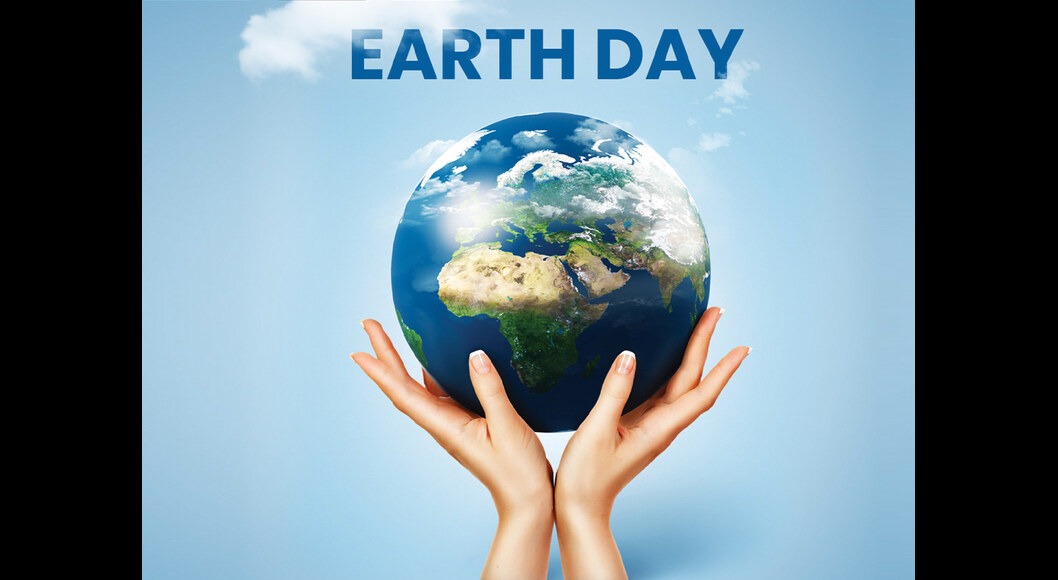
Earth Day is celebrated every year on April 22 all around the world. It is a special day that reminds us about the importance of protecting our planet, Earth. On this day, people learn about the problems that harm nature, such as pollution, climate change, deforestation, and waste. At the same time, Earth Day also celebrates the efforts made by people, groups, and governments to protect the environment.
Thank you for reading this post, don't forget to subscribe!Earth Day is not just a festival or a one-day event. It is a global movement that teaches people how their daily actions affect the planet. It helps people understand that even small steps can make a big difference. Turning off lights, saving water, planting trees, reducing plastic use, and recycling waste are simple actions that help the Earth.
Earth Day is celebrated in more than 193 countries, and millions of people take part in different activities. Sometimes, it is not just one day of celebration. Many countries and organizations celebrate Earth Week, a full week of programs, awareness drives, and environmental activities. These programs are coordinated by the Earth Day Network, which works globally to spread awareness and inspire people to protect nature.
Even though Earth Day is an international observance, it is not a public holiday. Schools, colleges, offices, and businesses remain open. But many schools and institutions organize special programs, speeches, tree plantation drives, and environmental awareness activities.
Earth Day reminds us of one simple truth: We have only one Earth, and we must protect it.
How Did People Start Celebrating Earth Day?
The idea of Earth Day was started by Senator Gaylord Nelson, who was a former senator and governor of Wisconsin in the United States. In the late 1960s, pollution was becoming a serious problem. Rivers were dirty, air was polluted, and industries were harming nature without rules or limits.
In 1970, Senator Gaylord Nelson organized a large movement where students and young people protested against air and water pollution. These protests were peaceful and focused on spreading awareness. Students came out on the streets, colleges organized programs, and people raised their voices for clean air and clean water.
This movement became the first Earth Day. Across America, rallies, marches, and programs were held. It was the first time that environmental problems became a serious political and public issue in a big way. People started talking about nature, pollution, and protection of the planet openly.
In 1990, Earth Day became international. The 20th anniversary celebration of Earth Day included people from more than 140 countries. There were global marches, environmental programs, and international cooperation for nature protection. This made Earth Day a worldwide movement.
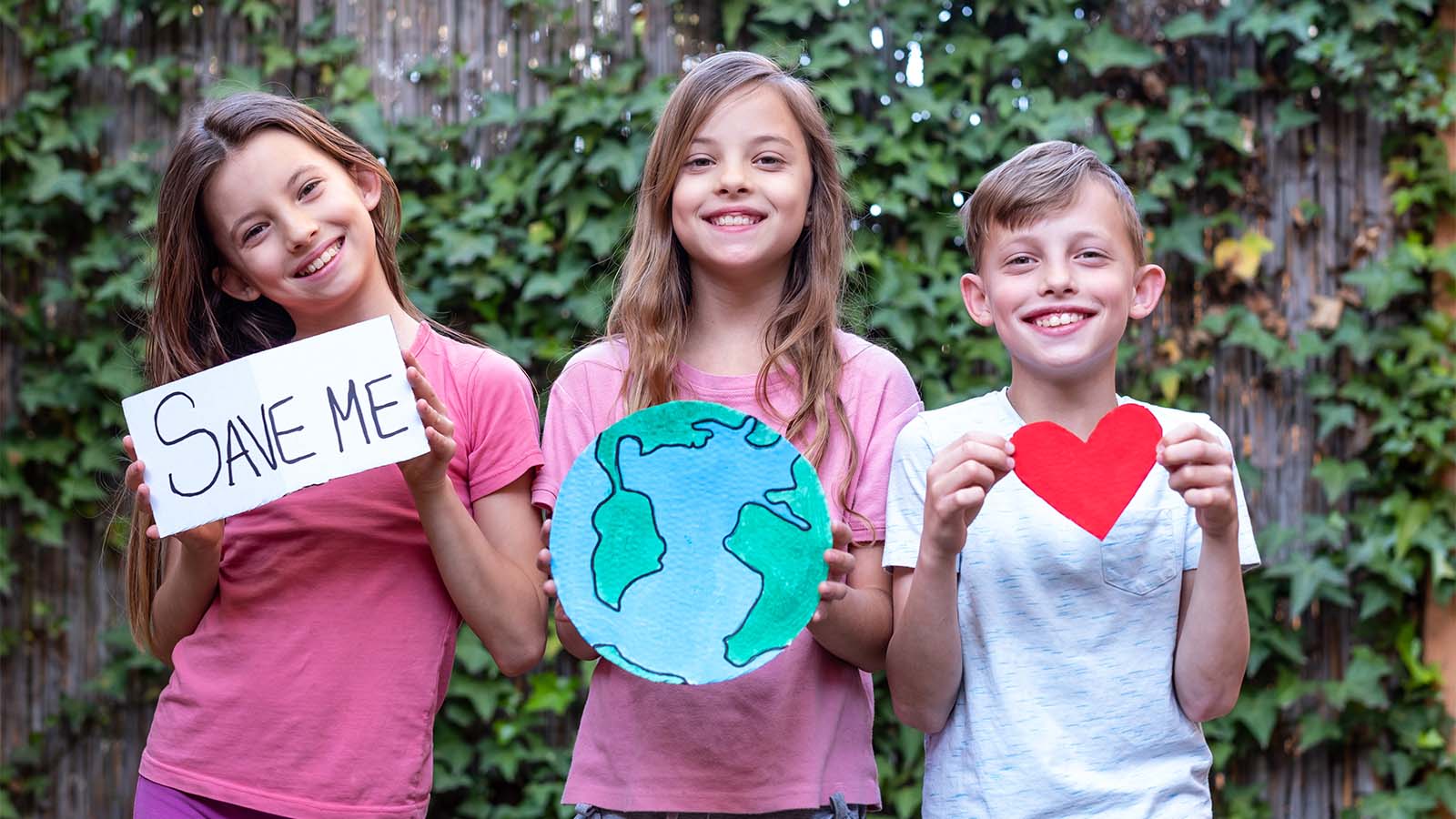
From 1990 to 2010, Earth Day continued to grow. Countries organized national programs, and local communities arranged tree plantation drives, cleaning programs, and awareness campaigns. People of all ages participated.
In 2010, on the 40th anniversary of Earth Day, nations came together for large celebrations. A huge rally was organized in Washington DC, and many countries held big events to show unity for environmental protection.
Today, Earth Day is one of the largest global movements in the world, focused on protecting the planet and building a better future.
Why Is Earth Day Important?
Earth Day is important because our planet is facing serious problems:
1. Pollution
Air pollution, water pollution, and soil pollution are harming life on Earth. Factories, vehicles, plastic waste, and chemicals are damaging the environment and human health.
2. Climate Change
Global warming is increasing the temperature of the Earth. Ice is melting, sea levels are rising, and weather patterns are changing. Floods, droughts, and heat waves are becoming more common.
3. Deforestation
Trees are being cut down for buildings, roads, and industries. Forests are important because they give us oxygen, clean air, and homes for animals.
4. Plastic Pollution
Plastic waste is one of the biggest problems today. Plastic does not break down easily and pollutes oceans, rivers, and land. Animals often eat plastic and die.
5. Loss of Wildlife
Many animals and plants are becoming extinct because of pollution, hunting, and habitat destruction.
Earth Day helps people understand these problems and teaches them how to protect nature.
Earth Day as a Global Movement
Earth Day is not limited to one country. It is celebrated across continents:
- In schools: Students take part in debates, speeches, drawing competitions, and plantation drives.
- In communities: People clean parks, rivers, and roadsides.
- In cities: Awareness rallies, exhibitions, and campaigns are organized.
- In villages: Tree planting and water conservation programs are started.
- In governments: Policies and environmental plans are discussed and improved.
People from different cultures, religions, and backgrounds come together for one common goal: saving the Earth.
Earth Day Themes

Earth Day themes help people focus on important environmental goals every year. Last Year’s Theme (2022) was “Invest In Our Planet”, which encouraged people, governments, and companies to invest time, money, and effort into protecting nature. It focused on clean energy, green jobs, sustainable living, and eco-friendly development. The Earth Day 2025 Theme is “Our Power, Our Planet”, which highlights the power of people, communities, and nations to bring positive change. This theme teaches that every individual has the power to protect the Earth through small actions, and together, these actions can create a big global impact for a cleaner, greener, and healthier planet.
Everyone has the power to shape the planet’s future through conscious choices.
How to Observe Earth Day
Earth Day is celebrated in many ways. People and organizations take part in different activities to protect nature.
1. Tree Plantation
Planting trees is one of the best ways to protect the Earth. Trees give oxygen, reduce pollution, and protect wildlife.
2. Cleaning Drives
People clean streets, rivers, lakes, parks, and beaches to reduce waste and pollution.
3. Recycling Programs
Recycling plastic, paper, glass, and metal helps reduce waste and saves natural resources.
4. Awareness Programs
Schools and colleges organize seminars, debates, and speeches on environmental topics.
5. Saving Energy
People are encouraged to save electricity, use LED lights, and reduce fuel use.
6. Water Conservation
Programs are organized to teach people how to save water and protect water sources.
7. Eco-friendly Living
People are encouraged to use cloth bags, avoid plastic, and choose natural products.
Earth Week: A Week for the Planet
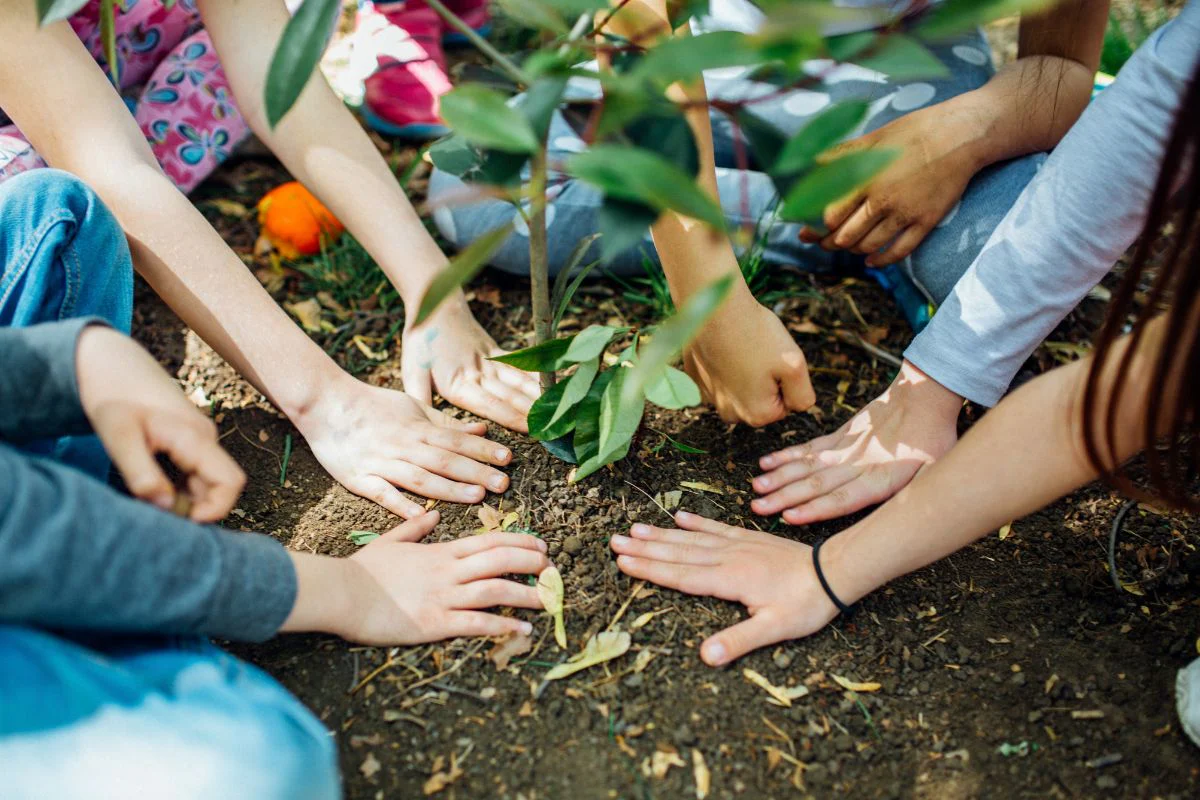
In many countries, Earth Day is not just one day. It becomes Earth Week, a full week of environmental activities. During Earth Week:
- Schools conduct daily environment lessons
- NGOs organize campaigns
- Governments promote green policies
- Communities work together for cleanliness
- Media spreads environmental awareness
Earth Week helps people stay connected to nature for more than just one day.
Role of Students in Protecting the Earth
Students play a very important role in protecting the planet. Young people are the future leaders of the world. Their actions today shape tomorrow.
Students can help by:
- Planting trees in school and home
- Saving electricity and water
- Avoiding plastic bottles and bags
- Spreading awareness in society
- Keeping surroundings clean
- Learning about environmental science
- Taking part in eco-clubs and green programs
Small actions by students can create big changes.
Role of Schools and Teachers
Schools and teachers guide students to become responsible citizens. They teach values like respect for nature, cleanliness, and responsibility.
Schools can help by:
- Starting eco-clubs
- Organizing green competitions
- Creating school gardens
- Teaching waste management
- Promoting paper recycling
- Organizing nature camps
- Teaching environmental studies seriously
Education is the strongest tool for protecting the Earth.
Role of Communities
Communities can protect the Earth by working together. When people unite, change becomes possible.
Communities can:
- Plant trees together
- Clean public places
- Save water
- Reduce plastic use
- Protect rivers and ponds
- Create green spaces
- Support local farmers
- Use renewable energy
Unity is strength in environmental protection.
Role of Governments
Governments play a major role in protecting the planet. They make laws and policies that control pollution and protect nature.
Governments can:
- Control industrial pollution
- Promote clean energy
- Protect forests
- Save wildlife
- Improve waste management
- Encourage green technology
- Support environmental education
Strong policies help build a green future.
Simple Daily Habits to Protect the Earth
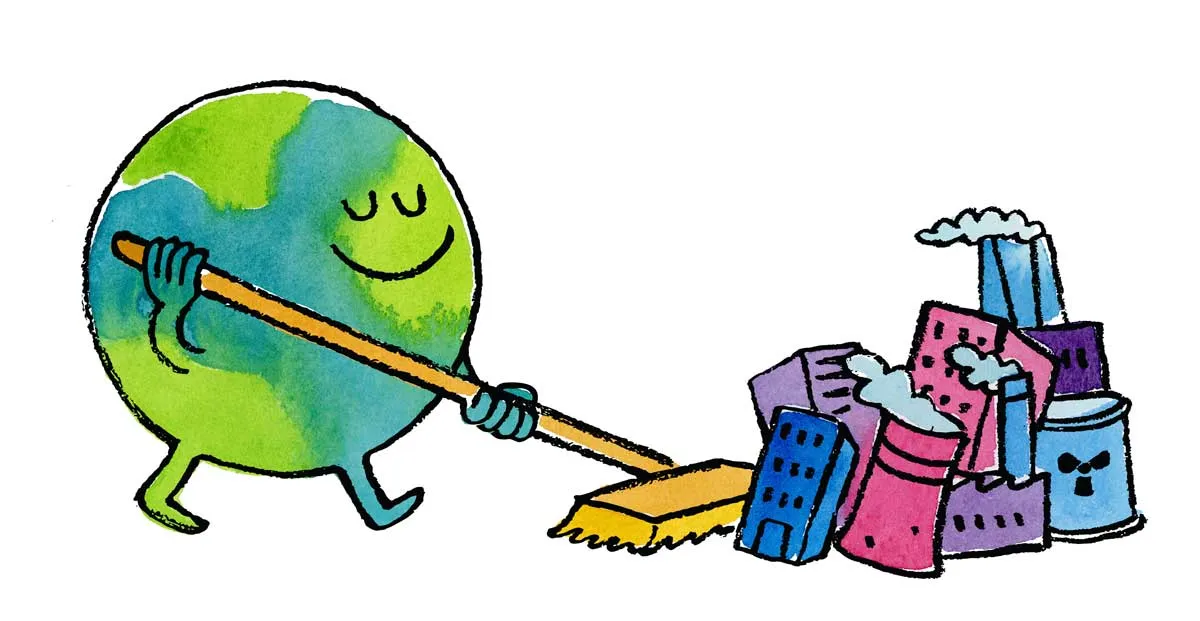
Everyone can protect the Earth through simple habits:
- Switch off lights when not needed
- Save water while brushing
- Use public transport
- Walk or cycle short distances
- Carry cloth bags
- Avoid plastic bottles
- Recycle waste
- Plant trees
- Use less paper
- Respect nature
These small steps create big results.
Earth Day and Future Generations
Earth Day is not just about today. It is about the future. The planet we leave behind will be inherited by our children and grandchildren.
If we destroy nature today, future generations will suffer. But if we protect nature today, future generations will live in a healthy, clean, and beautiful world.
Earth Day teaches responsibility, care, and love for the planet.
Earth Day and Sustainable Development
Sustainable development means growing without harming nature. It means using resources wisely so that they are available for future generations.
Earth Day promotes:
- Green energy
- Clean industries
- Eco-friendly farming
- Water conservation
- Forest protection
- Wildlife protection
- Clean cities
- Healthy living
Development and nature must go together.
The Message of Earth Day
The message of Earth Day is simple:
- Respect nature
- Protect the planet
- Live responsibly
- Think about the future
- Act today
- Care for all life
Earth is our only home. There is no other planet for us to live on.
Conclusion
Earth Day is not just a date on the calendar. It is a reminder of our duty to protect the planet. Celebrated every year on April 22, Earth Day teaches us about environmental problems and solutions. From its beginning in 1970 by Senator Gaylord Nelson, it has grown into a global movement involving more than 193 countries.
With themes like “Our Power, Our Planet” for Earth Day 2025, the world is reminded that every person has the power to protect the Earth. Through simple actions, responsible choices, and united efforts, we can build a cleaner, greener, and safer world.
Earth Day teaches us that the future of the planet is in our hands.
If we care today, tomorrow will be bright.
If we protect today, tomorrow will be safe.
If we act today, the Earth will live forever.
Let us not celebrate Earth Day for one day only. Let us live Earth Day every day.
FAQs (Frequently Asked Questions)
1. When is Earth Day celebrated?
Earth Day is celebrated every year on April 22.
2. Why is Earth Day important?
Earth Day helps people understand environmental problems and encourages them to protect nature and the planet.
3. Who started Earth Day?
Earth Day was started by Senator Gaylord Nelson in 1970.
4. Is Earth Day a public holiday?
No, Earth Day is not a public holiday. Schools and offices remain open.
5. What was last year’s Earth Day theme?
Last year’s theme was “Invest In Our Planet”.
6. What is the Earth Day 2025 theme?
The Earth Day 2025 theme is “Our Power, Our Planet”.
7. How can students celebrate Earth Day?
Students can plant trees, save water, reduce plastic use, recycle waste, and spread awareness.
8. What is Earth Week?
Earth Week is a week-long celebration of Earth Day with many environmental activities and programs.