Vaisakhi Festival: History, Significance, Traditions and Celebrations

Vaisakhi Festival is one of the most important and colorful festivals in India, especially in the state of Punjab. It is celebrated every year in the month of April, usually on the 13th or 14th. In 2025, Vaisakhi falls on 13 April. This festival is known for its deep religious meaning, rich cultural traditions, and joyful celebrations. It marks the harvest season for farmers and also holds great importance in Sikh history.
Thank you for reading this post, don't forget to subscribe!Vaisakhi is not just a festival; it is a symbol of happiness, hard work, faith, and unity. People celebrate it with prayers, dances, food, and gatherings. It is a day of thanksgiving for a good harvest and also a day to remember an important event in Sikh history the formation of the Khalsa by Guru Gobind Singh in 1699.
Understanding the Roots of Vaisakhi Festival
The word “Vaisakhi” comes from the month of Vaishakh in the Hindu calendar. This is the time when crops are ready to be harvested. Farmers feel happy because their months of hard work finally bring results.
At the same time, Vaisakhi is a very sacred day for Sikhs. It reminds them of courage, equality, and devotion. On this day, people thank God for blessings and pray for a better future.
In simple words, Vaisakhi has three main meanings:
- Harvest festival for farmers
- Religious festival for Sikhs
- New Year celebration in many parts of India
Historical Significance of Vaisakhi
The most important event related to Vaisakhi happened in 1699. On this day, Guru Gobind Singh gathered thousands of people at Anandpur Sahib.
He asked a powerful question:
“Who is ready to sacrifice their life for faith?”
At first, people were shocked. But slowly, five brave men came forward. These men showed great courage and trust in their Guru.
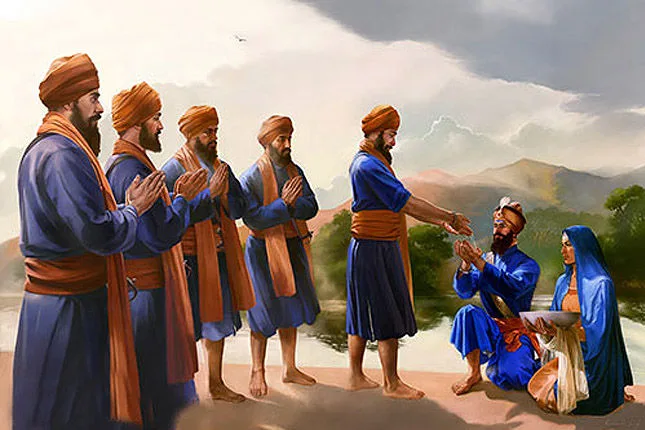
Instead of harming them, Guru Gobind Singh baptized them with holy water called Amrit. These five men became known as the Panj Pyare (Five Beloved Ones). After this, Guru Gobind Singh created the Khalsa, a group of strong and devoted Sikhs.
The Khalsa was formed to:
- Protect truth and justice
- Fight against injustice
- Promote equality among people
This moment is one of the most important events in Sikh history.
The Five Ks of Sikhism
After the formation of the Khalsa, Guru Gobind Singh gave Sikhs five important symbols, known as the Five Ks. These are:
- Kesh – Uncut hair (symbol of respect for God’s creation)
- Kangha – Wooden comb (symbol of cleanliness)
- Kara – Steel bracelet (symbol of unity and strength)
- Kirpan – Sword (symbol of courage and protection)
- Katchera – Special undergarment (symbol of discipline)
These five symbols are very important for Sikhs and represent their identity and beliefs.
Vaisakhi as a Harvest Festival
Vaisakhi is also a major agricultural festival. In Punjab and nearby regions, farmers celebrate the harvesting of the Rabi crops, especially wheat.
After months of hard work, farmers finally see golden fields ready to be harvested. This brings joy and satisfaction.
Farmers:
- Thank God for a good harvest
- Celebrate with music and dance
- Share food with family and friends
The festival shows the close connection between humans and nature.
Vaisakhi as a New Year Festival
In many parts of India, Vaisakhi is celebrated as the New Year. Different states celebrate it in different ways:

- In Punjab – It is the Punjabi New Year
- In Haryana – Celebrated with fairs and cultural events
- In West Bengal – Celebrated as Poila Boishakh
- In Assam – Celebrated as Rongali Bihu
Even though names are different, the idea is the same new beginnings and happiness.
How Vaisakhi is Celebrated in India
Vaisakhi is celebrated with great excitement across India. The celebrations include religious, cultural, and social activities.
1. Gurdwara Celebrations
Sikhs visit Gurdwaras (temples) early in the morning. One of the most famous places is the Golden Temple.
At Gurdwaras:
- Special prayers are held
- Hymns from the Guru Granth Sahib are sung
- People listen to spiritual teachings
2. Nagar Kirtan (Processions)
One of the main attractions of Vaisakhi is the Nagar Kirtan.
- A procession is carried through the streets
- The Guru Granth Sahib is placed with respect
- Devotees sing religious songs
- The Panj Pyare lead the procession
This creates a spiritual and festive environment.
3. Langar (Community Meal)
After prayers, people take part in Langar, a free meal served to everyone.
- It is prepared by volunteers
- Everyone sits together and eats
- No difference of caste, religion, or status
This shows the values of equality and service.
Traditional Dances of Vaisakhi
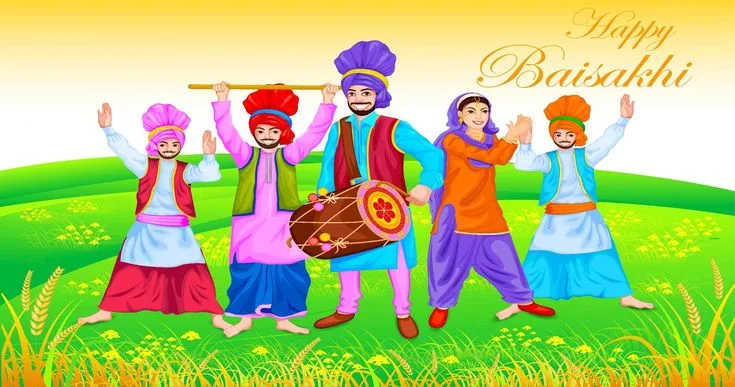
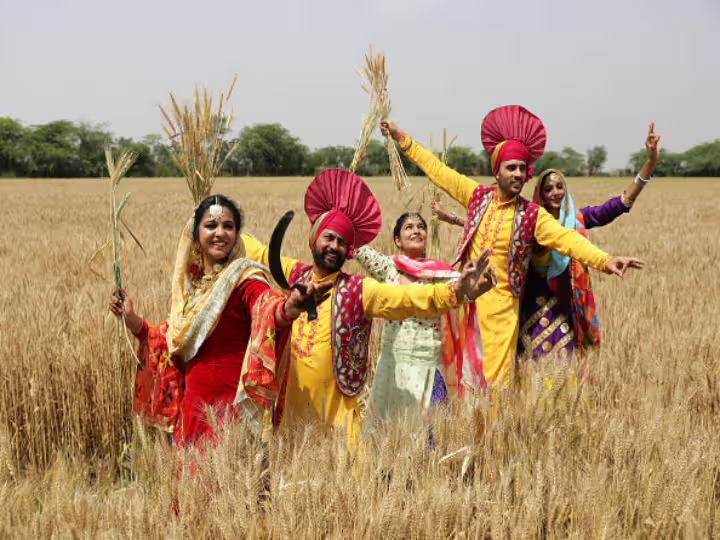
No Vaisakhi celebration is complete without dance and music.

Bhangra
Bhangra is a lively dance performed by men.
- Energetic movements
- Performed to the beat of dhol (drum)
- Shows joy and celebration
Gidda
Gidda is performed by women.
- Graceful and expressive
- Includes singing traditional songs
- Celebrates womanhood and happiness
These dances make the festival colorful and exciting.
Food and Festivities
Food is an important part of Vaisakhi celebrations.
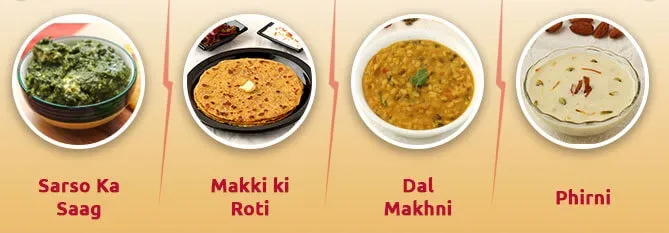
Popular dishes include:
- Makki di roti and sarson da saag
- Lassi (sweet yogurt drink)
- Kada Prasad (holy sweet)
- Sweets like jalebi and ladoo
Families cook together and share meals, spreading happiness and bonding.
Rituals of Vaisakhi
Vaisakhi rituals are simple but meaningful.
- Early morning bath
- Wearing new clothes
- Visiting Gurdwara
- Listening to prayers
- Taking part in processions
- Sharing food
These rituals bring peace and positivity.
Best Places to Celebrate Vaisakhi
1. Amritsar
- Home to the Golden Temple
- Thousands of devotees visit
- Spiritual and grand celebrations
2. Delhi
- Big Nagar Kirtans
- Festive gatherings
- Cultural events
3. Punjab
- Heart of Vaisakhi celebrations
- Bhangra and Gidda everywhere
- Vibrant fairs and food
4. Haryana
- Famous Vaisakhi Melas
- Games, competitions, and fun
5. Chandigarh
- Modern city with traditional celebrations
- Cultural shows and events
6. Jalandhar
- Folk performances
- Joyful atmosphere
Vaisakhi Celebrations Around the World
Vaisakhi is not only celebrated in India but also in countries where Sikh communities live.
Countries include:
- Canada
- United Kingdom
- United States
- Australia
People organize:
- Parades
- Cultural programs
- Community meals
This shows how Vaisakhi connects people across the world.
Importance of Vaisakhi in Modern Times
Today, Vaisakhi is more than just a festival.
It teaches us:
- Importance of hard work
- Value of equality
- Power of unity
- Respect for nature
In a busy world, festivals like Vaisakhi remind us to slow down and appreciate life.
Interesting Facts About Vaisakhi
- Vaisakhi is both a religious and cultural festival
- It marks the formation of the Khalsa
- It is celebrated as New Year in many regions
- It is linked with agriculture and farming
- It promotes unity and sharing
Happy Vaisakhi Wishes
Here are some simple wishes you can share:
- Wishing you happiness, success, and prosperity. Happy Vaisakhi!
- May this festival bring new hope and joy into your life.
- May your life be filled with blessings and success.
- Happy Vaisakhi to you and your family!
Inspiring Quotes on Vaisakhi
- Vaisakhi is a symbol of new beginnings and hope.
- It teaches us to work hard and stay positive.
- It reminds us of courage and faith.
- Celebrate life, nature, and blessings on this special day.
Why Vaisakhi is Special
Vaisakhi is special because it brings together:
- Religion
- Culture
- Agriculture
- Community
It is a perfect example of India’s diversity and unity.
People from different backgrounds celebrate it in their own ways, but the feeling of happiness is the same everywhere.
Final Thoughts
Vaisakhi Festival is a beautiful celebration of life, faith, and hard work. It reminds us of our roots and teaches us important values like unity, equality, and gratitude.
Whether you are enjoying the dances of Punjab, visiting a Gurdwara, or simply sharing food with loved ones, Vaisakhi brings joy to everyone.
It is not just a festival it is a feeling of happiness, togetherness, and hope for a better future.
FAQs on Vaisakhi Festival
Q1. What is Vaisakhi Festival?
Vaisakhi Festival is an important harvest and religious festival celebrated mainly in Punjab. It marks the harvest season and the formation of the Khalsa by Guru Gobind Singh.
Q2. When is Vaisakhi celebrated?
Vaisakhi is usually celebrated on 13th or 14th April every year. In 2025, it falls on 13 April.
Q3. Why is Vaisakhi important for Sikhs?
It is important because on this day in 1699, Guru Gobind Singh established the Khalsa, which is a key part of Sikh identity and faith.
Q4. How do people celebrate Vaisakhi?
People celebrate by visiting Gurdwaras, participating in Nagar Kirtan processions, performing dances like Bhangra and Gidda, and sharing meals with family and community.
Q5. What is the significance of the Five Ks?
The Five Ks are five symbols of Sikh identity given by Guru Gobind Singh. They represent discipline, faith, and equality.
Q6. Is Vaisakhi only celebrated in Punjab?
No, Vaisakhi is celebrated across India and also in countries like Canada, the UK, and the USA by Sikh communities.
Q7. What foods are prepared during Vaisakhi?
Special foods include Kada Prasad, lassi, makki di roti, sarson da saag, and various sweets.
Q8. Is Vaisakhi a New Year festival?
Yes, in many regions of India, Vaisakhi is celebrated as the New Year and marks new beginnings.