


Regionalism in India: Meaning, History, Causes, Impacts and Solutions

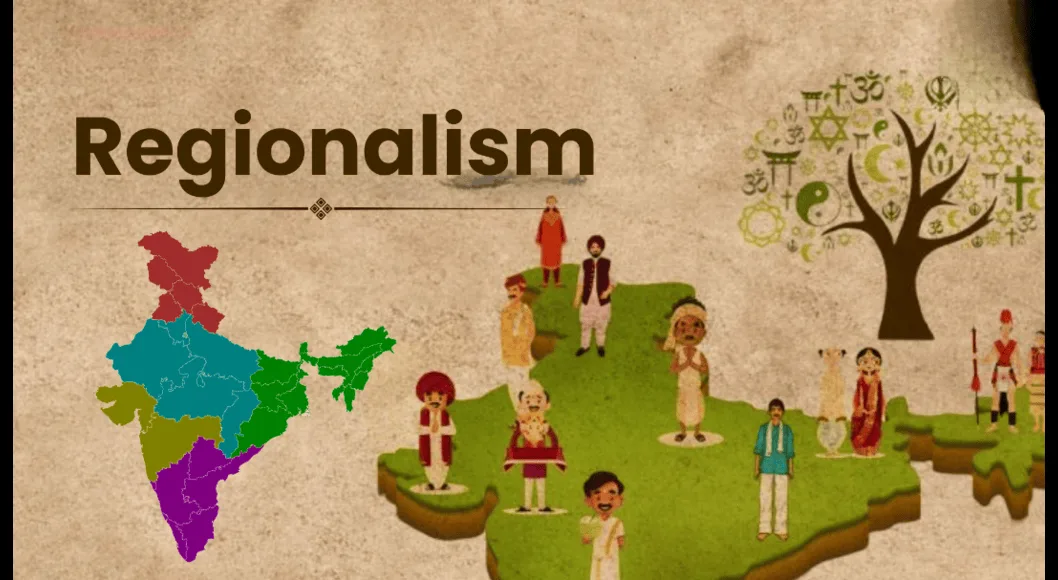
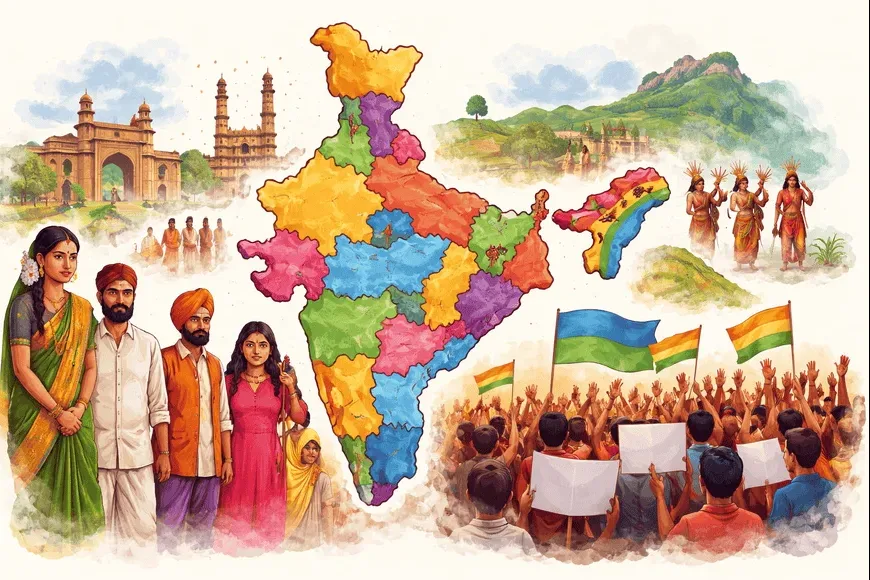
Regionalism in India is an important topic to understand Indian society and politics. India is a very large country with many cultures, languages, religions, and traditions. Because of this diversity, people often feel more connected to their own region than to the entire country. This feeling is called regionalism.
Thank you for reading this post, don't forget to subscribe!Regionalism can be both good and bad. It can help in protecting local culture and development. But if it becomes too strong, it can harm national unity.
What is Regionalism in India?
Regionalism in India means a strong feeling of love, identity, and loyalty towards a particular region. People of a region share common language, culture, history, and traditions.
Positive Meaning of Regionalism
- It creates a sense of unity among people of a region
- Helps in development of the region
- Protects culture, language, and traditions
- Encourages local leadership
Negative Meaning of Regionalism
- Excessive love for region over the nation
- Can create conflicts between states
- Threatens unity and integrity of India
- Leads to violence and protests
In India, regionalism is often seen in a negative way because it sometimes creates division among people.
History of Regionalism in India
1. Regionalism During British Rule
The roots of regionalism in India started during British rule.
- The British treated different regions differently
- Some areas were developed, while others were ignored
- This created economic inequality between regions
- People started feeling neglected and developed regional identity
2. Regional Movements in South India
In the 1940s, the Dravidian Movement started in Tamil Nadu.
- It was also called the Non-Brahmin movement
- It demanded equal rights and social justice
- Later, it demanded a separate Tamil state
This movement inspired other regions to demand their own states.
3. Formation of Andhra Pradesh
A major event in regionalism in India was the movement for Andhra Pradesh.
- Led by Potti Sriramulu
- He went on a hunger strike
- After his death, protests increased
- Government created Andhra Pradesh in 1953
This event encouraged other regions to demand separate states.
4. States Reorganisation Act, 1956
To manage growing regional demands:
- Government formed the States Reorganisation Committee
- States were reorganized based on language
- This made administration easier
- But also strengthened regional identity
5. Regional Movements in North-East India
In the 1970s and 1980s:
- Many tribal groups demanded separate states
- Movements sometimes became violent
As a result:
- Manipur, Tripura, Meghalaya became states
- Mizoram and Arunachal Pradesh later became states
6. New States in 2000
In the 2000s, new states were created due to regional demands:
- Chhattisgarh (from Madhya Pradesh)
- Jharkhand (from Bihar)
- Uttarakhand (from Uttar Pradesh)
7. Formation of Telangana (2014)
- Telangana was separated from Andhra Pradesh
- Reason: feeling of neglect and underdevelopment
8. Recent Changes
- Jammu and Kashmir was divided into two Union Territories
- Ladakh became a separate UT
Today, India has 28 states and 8 Union Territories.
Types of Regionalism in India
1. Secessionism
This is the most extreme form of regionalism in India.
- People demand separation from India
- Often involves violence and militancy
Examples:
2. Separatism (Statehood Demand)
- Demand for a separate state within India
- Not against the nation
Examples:
Other demands:
- Bodoland (Assam)
- Gorkhaland (West Bengal)
- Bundelkhand
3. Demand for Full Statehood
- Union Territories demand to become states
Examples:
- Himachal Pradesh became a state
- Manipur, Tripura also became states
4. Demand for Autonomy
- States want more power from the central government
- Want less interference
Common in:
5. Regional Autonomy Within State
- Smaller regions within a state demand recognition
Example:
- Ladakh demanded separate identity earlier
Causes of Regionalism in India
1. Historical Reasons
- Different regions had different histories
- British policies created inequality
2. Geographical Isolation
- Remote areas feel disconnected
- Poor transport and communication
3. Economic Inequality
- Some regions are developed
- Others are poor despite having resources
This creates anger and frustration.
4. Political Factors
- Leaders use regional feelings for votes
- Vote-bank politics increases regionalism
5. Cultural Differences
- India has many languages and traditions
- People want to protect their culture
6. Linguistic Identity
- Language is a strong emotional factor
- People want recognition for their language
7. Poor Development Policies
- Government plans may favor some regions
- Other regions feel neglected
8. Insider vs Outsider Issue
- Locals feel outsiders take their jobs
- Leads to “sons of the soil” ideology
Impacts of Regionalism in India
Positive Impacts
1. Strengthens Democracy
- Regional parties represent local issues
- People feel more connected
2. Better Governance
- Local leaders understand problems better
- Quick solutions for local issues
3. Promotes Culture
- Protects language, traditions, and heritage
- Encourages art and culture
4. Balanced Development
- Focus on backward regions
- Helps reduce inequality
5. Improves Planning
- Regional planning leads to better infrastructure
- Efficient use of resources
Negative Impacts
1. Threat to National Unity
- Too much regionalism divides people
- Weakens national identity
2. Violence and Protests
- Movements can turn violent
- Disturbs peace and law
3. Economic Loss
- Strikes and protests affect economy
- Investors avoid unstable regions
4. Rise of Extremism
- Can lead to militancy
- Creates internal security threats
5. Inter-State Conflicts
- Disputes over water, borders, resources
- Example: river water disputes
6. Anti-Migrant Feelings
- Locals oppose outsiders
- Seen in states like Maharashtra
7. Weakens Foreign Relations
- State-level disagreement affects national policies
8. Vote Bank Politics
- Leaders exploit regional emotions
- Focus on votes instead of development
Regionalism vs Nationalism
| Nationalism | Regionalism |
|---|---|
| Love for the entire nation | Love for a specific region |
| Unites all citizens | Divides people into regions |
| Promotes unity | May create conflict |
| Focus on national identity | Focus on regional identity |
Key Difference
- Nationalism unites
- Regionalism can divide if extreme
Regionalism in North-East India
Regionalism in India is very visible in the North-East.
Reasons:
- Geographical isolation
- Cultural uniqueness
- Economic neglect
Examples:
- Assam movements
- Bodoland demand
- Tribal identity movements
However, government has created new states and councils to manage these issues.
Role of Regional Parties
Regional parties play a major role in regionalism in India.
Examples:
- DMK in Tamil Nadu
- TMC in West Bengal
- TRS in Telangana
Benefits
- Focus on local issues
- Strengthen democracy
Problems
- Sometimes oppose national interest
- Promote narrow thinking
Solutions to Regionalism in India
1. Balanced Development
- Equal development of all regions
- Focus on backward areas
2. Improve Education
- Promote national values
- Reduce narrow thinking
3. Strengthen Federalism
- Give states more power
- Improve cooperation between Centre and States
4. Better Governance
- Transparent and fair policies
- Equal distribution of resources
5. Promote National Integration
- Encourage unity in diversity
- Respect all cultures
6. Role of NITI Aayog
- Encourages cooperative federalism
- Involves states in planning
7. Control Extremism
- Strong action against violence
- Promote peace and dialogue
8. Encourage Cultural Exchange
- Promote interaction between states
- Build understanding among people
Way Forward
Regionalism in India is not always harmful. It becomes dangerous only when it turns extreme.
India must:
- Respect regional identities
- Promote national unity
- Ensure equal development
The idea of “Unity in Diversity” should be followed strongly.
People can feel proud of their region and still be loyal to the nation.
Conclusion
Regionalism in India is a natural result of the country’s diversity. It has both positive and negative sides. On one hand, it helps in development and cultural protection. On the other hand, it can create division and conflict.
The need of the hour is balance. Regional identity should not come at the cost of national unity. With proper policies, education, and development, India can manage regionalism effectively and move towards a stronger and united future.
FAQs on Regionalism in India
1. What is Regionalism in India?
Regionalism in India is the feeling of strong attachment to one’s region, culture, and language.
2. Is regionalism good or bad?
It is both. It is good for development and culture, but bad if it harms national unity.
3. What are the main causes of regionalism?
Economic inequality, cultural differences, political factors, and poor development.
4. What is the difference between regionalism and nationalism?
Regionalism focuses on region, while nationalism focuses on the whole country.
5. How can regionalism be controlled?
By balanced development, education, and promoting unity.